Previous
Next
The Differences Between the Zhonglian F27 Helicopter and the Ruixiang 1E - A Electric Fixed - Wing
- In conclusion, “the differences between the Zhonglian F27 helicopter and the Ruixiang 1E - A electric fixed - wing aircraft” are significant and span across design, performance, application, and safety aspects. Changzhou Zhonglian Aviation Technology Co., Ltd has developed these two distinct aircraft to meet different market needs. The Zhonglian F27 helicopter excels in VTOL missions, low - altitude maneuverability, and applications requiring access to confined areas, while the Ruixiang 1E - A electric fixed - wing aircraft is more suitable for long - range, high - speed, and relatively flat - flight missions, with the added benefits of environmental friendliness and potentially lower operational costs in some cases. As aviation technology continues to evolve, both types of aircraft will likely see further improvements and adaptations to better serve the diverse needs of the aviation industry.
Description
The Differences Between the Zhonglian F27 Helicopter and the Ruixiang 1E - A Electric Fixed - Wing Aircraft: A Comprehensive Comparative Analysis
In the dynamic field of aviation, different types of aircraft are designed to meet various operational requirements. Changzhou Zhonglian Aviation Technology Co., Ltd has developed the Zhonglian F27 helicopter, while the Ruixiang 1E - A electric fixed - wing aircraft represents another innovative aviation product. This article delves deep into “the differences between the Zhonglian F27 helicopter and the Ruixiang 1E - A electric fixed - wing aircraft”, exploring their design, performance, and application aspects.
I. Design and Structural Differences
A. Airframe Design
Zhonglian F27 Helicopter
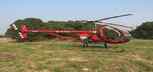
The Zhonglian F27 helicopter has a unique airframe design optimized for vertical take - off and landing (VTOL) capabilities. Its main rotor diameter is 6.85m, with 3 rotor blades. The fuselage length (from the front of the rotor to the end of the fuselage) is 8.1m, the cabin height is 1.52m, and the skid width is 1.73m. The rotor system uses a bearing - less torsion - bar system/composite material - 9.5NACA63015, and the rotor structure is NACA63015/rectangular multi - cavity D - beam. This design allows it to hover, take off, and land in confined spaces, making it suitable for missions such as rescue in complex terrains and short - range transportation in areas with limited landing facilities.
Ruixiang 1E - A Electric Fixed - Wing Aircraft
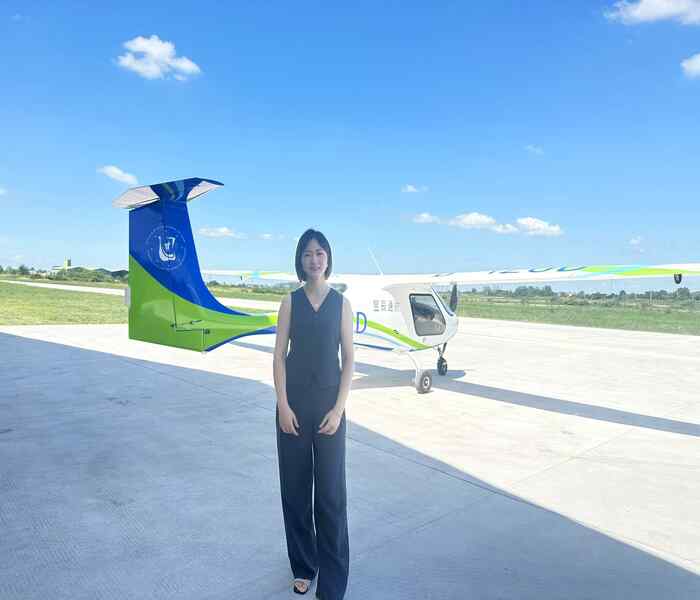
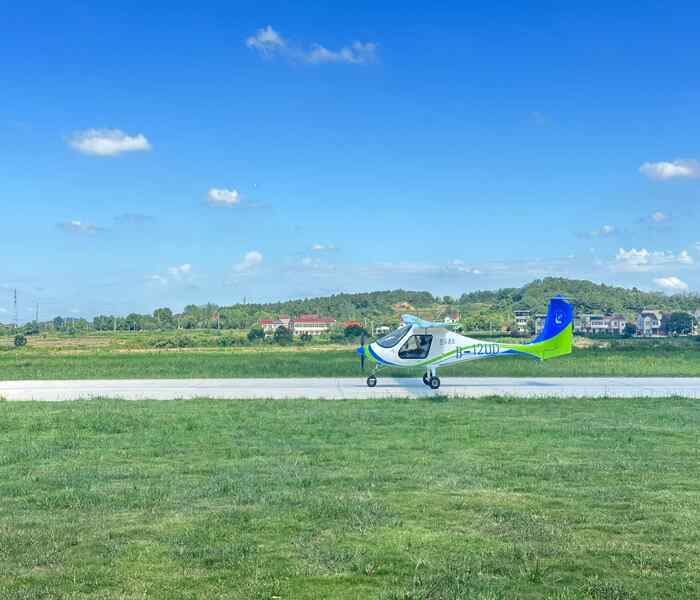
In contrast, the Ruixiang 1E - A electric fixed - wing aircraft has a typical fixed - wing design. It has a length of 6.58m, a height of 2.45m, and a wingspan of 14.50m. The fixed - wing structure is more conducive to high - speed forward flight. The design focuses on reducing air resistance during level flight, which is ideal for tasks such as long - range patrol, aerial mapping, and general aviation training. The wingspan is relatively large compared to its length, which helps in generating sufficient lift for sustained flight.
B. Propulsion System
Zhonglian F27 Helicopter
The F27 is powered by a piston engine with fuel injection, specifically the EJ25 2457cc horizontally opposed, four - cylinder, 16 - valve engine, with a power output of 115kw (156 horsepower). It uses 95# gasoline as fuel. The engine drives the main rotor to generate lift and thrust. The rotor system's design, including the rotor blade type and tip speed (205m/s), is crucial for its VTOL and hovering performance. The fuel - based propulsion system provides a relatively high energy density, enabling longer flight durations in some cases, but it also brings challenges such as emissions and noise.
Ruixiang 1E - A Electric Fixed - Wing Aircraft
The Ruixiang 1E - A adopts an electric propulsion system. It has a peak power of 50kW and a rated power of 30kW, with a battery capacity of 34.56kWh and a battery weight of 165kg. The electric motor drives the propeller for forward flight. This electric propulsion system is environmentally friendly, producing zero emissions during flight, and also has relatively low noise levels. However, the energy density of the battery is currently lower than that of gasoline, which affects the aircraft's range and flight duration to a certain extent.
II. Performance Differences
A. Take - off and Landing
Zhonglian F27 Helicopter
One of the most significant advantages of the F27 helicopter is its VTOL capability. It can take off and land vertically without the need for a long runway. The take - off process involves the main rotor generating sufficient lift to lift the aircraft directly from the ground. The landing is also vertical, which is extremely useful in situations such as search and rescue in mountainous areas, where there may be no suitable runways. The take - off and landing distances are almost zero in ideal conditions (excluding the need for some space for rotor operation).
Ruixiang 1E - A Electric Fixed - Wing Aircraft
The Ruixiang 1E - A, as a fixed - wing aircraft, requires a runway for take - off and landing. Its take - off run distance is 281m, and the landing distance is 208m. This means it needs a relatively flat and long enough runway, which limits its operation in some remote or confined areas but makes it more suitable for large airfields or areas with prepared runways for general aviation activities.
B. Flight Speed and Altitude
Zhonglian F27 Helicopter
The F27 has a maximum airspeed of 186km/h and a maximum cruising speed of 156km/h. Its maximum flight height is 3000m. The helicopter's speed is relatively lower compared to fixed - wing aircraft, but it has excellent maneuverability at low altitudes, especially in hovering and slow - speed flight. It can hover at a height of 1500m with ground effect and 1000m without ground effect, which is beneficial for tasks such as aerial observation and surveillance.
Ruixiang 1E - A Electric Fixed - Wing Aircraft
The Ruixiang 1E - A has a cruising speed of 120km/h, a stall speed of 83km/h, and there is no specific maximum flight height mentioned in the parameters, but generally, for such light fixed - wing aircraft, it can operate at moderate altitudes. The fixed - wing design allows it to achieve higher speeds in level flight compared to the helicopter, which is advantageous for long - distance transportation and patrol missions. However, its maneuverability in hovering and low - speed flight is much inferior to that of the helicopter.
C. Range and Endurance
Zhonglian F27 Helicopter
The F27 has a maximum range of 550km and a maximum flight time of 3h. The fuel - based propulsion system allows it to carry a certain amount of fuel (with an empty weight of 420kg including oil, coolant, and backup fuel) to achieve this range and endurance. This makes it suitable for medium - range missions such as border patrol and emergency medical transport over a certain area.
Ruixiang 1E - A Electric Fixed - Wing Aircraft
The Ruixiang 1E - A has a maximum range of 280km and a maximum duration of 2h30min. The limited range and endurance are mainly due to the current limitations of battery technology. Although the electric propulsion system is more environmentally friendly, the energy storage capacity of the battery restricts its long - distance flight capabilities. However, for short - range missions such as local area mapping and training flights, it can still perform well.
III. Application and Operational Differences
A. Mission Suitability
Zhonglian F27 Helicopter
The F27 helicopter is well - suited for missions that require VTOL capabilities and high maneuverability at low altitudes. For example, in search and rescue operations, it can hover over a disaster - stricken area to drop supplies or rescue survivors. In law enforcement, it can perform low - altitude surveillance and pursuit in urban or complex terrain environments. Its ability to take off and land vertically also makes it suitable for use on ships or in remote areas with no prepared runways.
Ruixiang 1E - A Electric Fixed - Wing Aircraft
The Ruixiang 1E - A is more appropriate for missions that require long - range, high - speed flight in a relatively flat flight environment. Aerial mapping companies can use it to cover large areas of land for topographic mapping. General aviation training schools can utilize its fixed - wing design to train pilots in basic flight operations, navigation, and long - distance flight skills. It is also suitable for environmental monitoring missions over a large area, such as monitoring forest fires or water quality in a large region, as its fixed - wing design allows for efficient coverage of a large area.
B. Operational Costs
Zhonglian F27 Helicopter
The operational costs of the F27 helicopter include fuel costs (using 95# gasoline), maintenance costs for the complex rotor system and piston engine, and insurance costs. The fuel - based propulsion system may be subject to fluctuations in gasoline prices, and the maintenance of the rotor system, which has a complex structure with components such as the bearing - less torsion - bar system, can be relatively expensive.
Ruixiang 1E - A Electric Fixed - Wing Aircraft
The Ruixiang 1E - A has relatively lower operational costs in some aspects. The electric propulsion system has fewer moving parts compared to the piston engine and rotor system of the helicopter, so maintenance costs may be lower. The cost of electricity for charging the battery is also generally lower than the cost of gasoline, especially in areas with favorable electricity pricing. However, the battery replacement cost, although not frequent, can be a significant expense, and as battery technology improves, this may change.
IV. Safety and Regulatory Considerations
A. Safety Features
Zhonglian F27 Helicopter
Helicopters like the F27 have safety features designed for their unique flight characteristics. For example, in case of an engine failure, the helicopter can enter an autorotation mode, where the rotor spins freely to allow a controlled descent. The F27 has a specified autorotation descent rate of not less than 8.6m/s. The design of the rotor system and the aircraft's structure also need to withstand the forces during VTOL and hovering operations.
Ruixiang 1E - A Electric Fixed - Wing Aircraft
Fixed - wing aircraft like the Ruixiang 1E - A rely on different safety features. They have stall protection mechanisms, as the stall speed is 83km/h. Pilots need to be trained to recognize and recover from stall conditions. The fixed - wing structure also needs to be designed to withstand the aerodynamic forces during take - off, cruising, and landing. The electric propulsion system's safety includes battery management systems to prevent overcharging, over - discharging, and thermal runaway.
B. Regulatory Requirements
Zhonglian F27 Helicopter
Helicopter operations are subject to strict regulatory requirements, especially regarding VTOL operations, noise pollution (due to the relatively high noise of the rotor and piston engine), and airspace usage. In many regions, helicopter flights in urban areas or near sensitive locations need special permits. The certification process for helicopters is also complex, considering their unique flight characteristics and safety requirements.
Ruixiang 1E - A Electric Fixed - Wing Aircraft
Fixed - wing aircraft operations are regulated in terms of runway usage, airworthiness certification, and pilot licensing. The electric propulsion system also brings new regulatory considerations, such as battery safety standards and charging infrastructure requirements. As electric aviation is a relatively new field, regulatory bodies are constantly updating and 完善 ing the regulations to ensure safe operations.
In conclusion, “the differences between the Zhonglian F27 helicopter and the Ruixiang 1E - A electric fixed - wing aircraft” are significant and span across design, performance, application, and safety aspects. Changzhou Zhonglian Aviation Technology Co., Ltd has developed these two distinct aircraft to meet different market needs. The Zhonglian F27 helicopter excels in VTOL missions, low - altitude maneuverability, and applications requiring access to confined areas, while the Ruixiang 1E - A electric fixed - wing aircraft is more suitable for long - range, high - speed, and relatively flat - flight missions, with the added benefits of environmental friendliness and potentially lower operational costs in some cases. As aviation technology continues to evolve, both types of aircraft will likely see further improvements and adaptations to better serve the diverse needs of the aviation industry.