Previous
Next
Differences Between Experimental Airworthiness Certificate (for Helicopter Kits) and Standard
- Differences Between Experimental Airworthiness Certificate (for Helicopter Kits) and Standard Certification for Commercial Use The Experimental Airworthiness Certificate (applicable to kit-built helicopters) and the Standard Airworthiness Certificate for Commercial Use differ significantly in core positioning, scope of application, certification process, and other aspects. Below is a detailed comparison:
Description
Differences Between Experimental Airworthiness Certificate (for Helicopter Kits) and Standard Certification for Commercial Use
The Experimental Airworthiness Certificate (applicable to kit-built helicopters) and the Standard Airworthiness Certificate for Commercial Use differ significantly in core positioning, scope of application, certification process, and other aspects. Below is a detailed comparison:
Core Difference Comparison Table
Comparison Dimension | Experimental Airworthiness Certificate (Applicable to Kit-Built Helicopters) | Standard Airworthiness Certificate for Commercial Use (Applicable to Robinson R22, etc.) |
Core Positioning | For kit-built/homebuilt helicopters, restricted to non-commercial private/hobbyist use | For mass-produced helicopters, supporting commercial operations (passenger transport, training, aerial work, and other profit-making activities) |
Applicable Objects | Kit-built, homebuilt, or experimental-purpose helicopters; no Type Certificate (TC) required | Mass-produced models that have obtained Type Certificate (TC) and Production Certificate (PC), such as the Robinson R22 |
Certification Prerequisites | No full type certification needed; only required to prove assembly compliance and structural safety; some regions require individuals to hold a pilot's license | Must first obtain Type Certificate (TC) and Production Certificate (PC); each aircraft must meet the finalized design standards |
Usage Restrictions | Strictly prohibited from commercial profit-making flights; only usable for non-commercial scenarios such as private flight, R&D, and exhibitions | No commercial restrictions; usable for flight operations, flight training, aerial work, and other profit-making activities |
Assembly Requirements | Self-assembled by individuals/hobbyists; full sets of kits and instructions are provided, suitable for different skill levels | Uniformly produced and assembled in factories with strict quality control; meets airworthiness standards upon delivery |
Cost & Maintenance | Low initial cost; maintenance can be completed by users themselves (relevant knowledge required) | High initial investment; maintenance must be performed by licensed professionals in accordance with strict manufacturer standards |
Global Compliance | Requirements vary by country; experimental certification must be applied for in accordance with local civil aviation regulations, such as China's "Special Experimental Airworthiness Certificate" | Globally recognized standards; certified by authoritative institutions such as FAA and EASA, facilitating cross-border operations |
Key Detail Explanation
1. Nature and Process of Certification
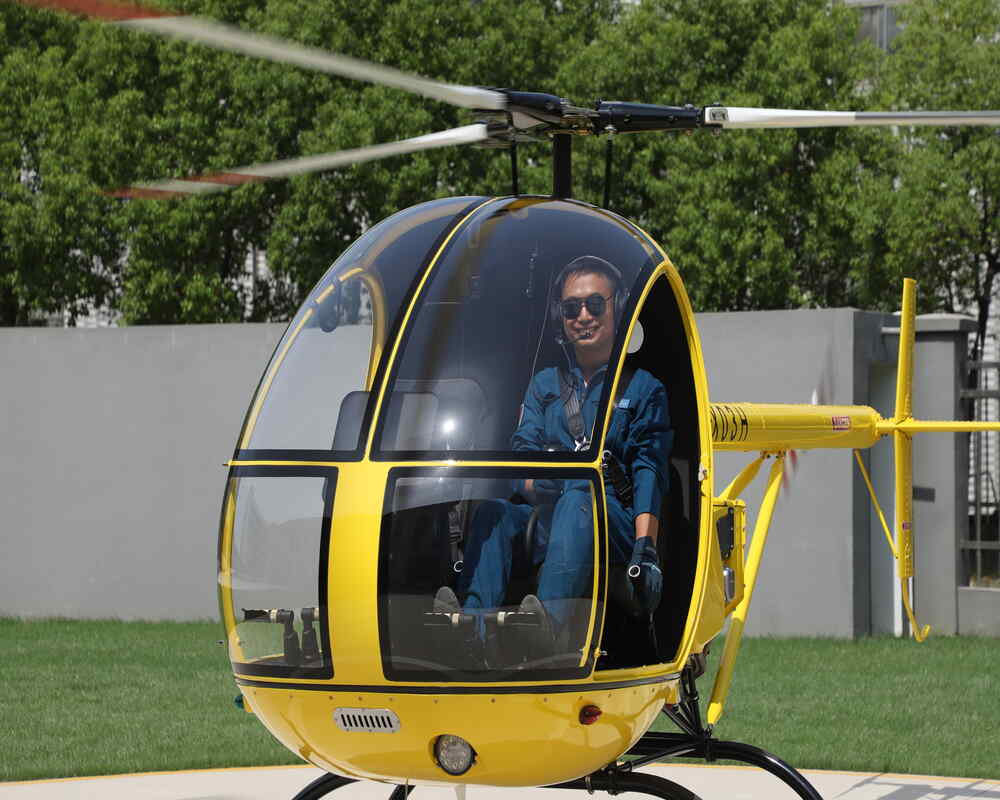
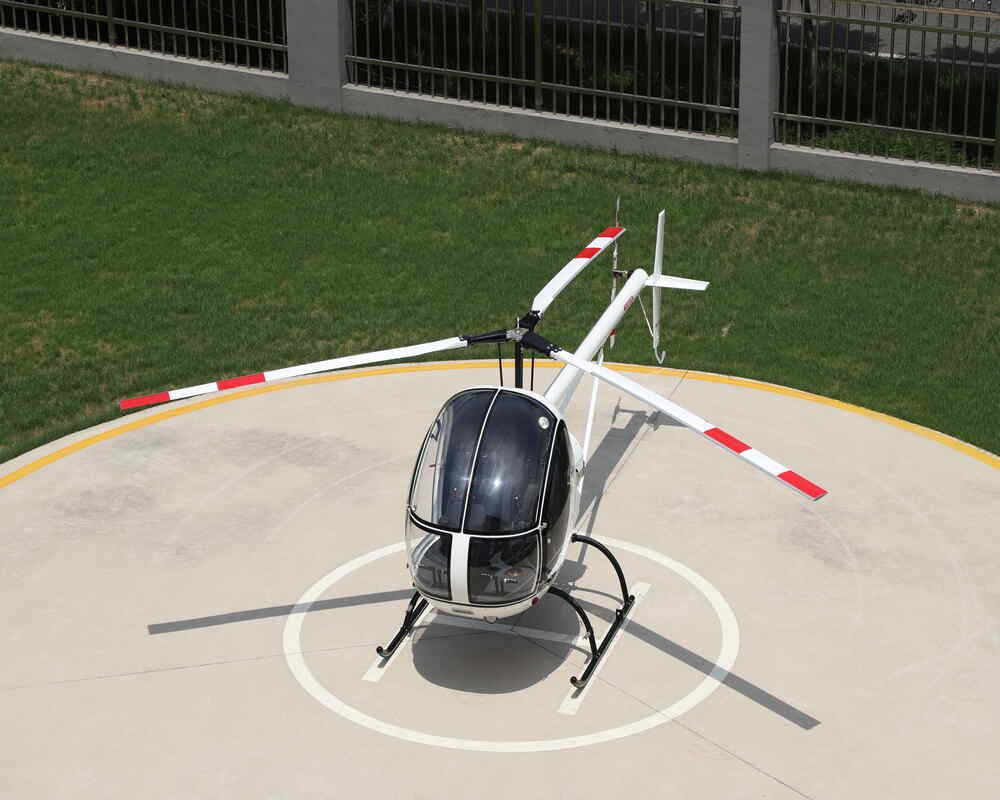
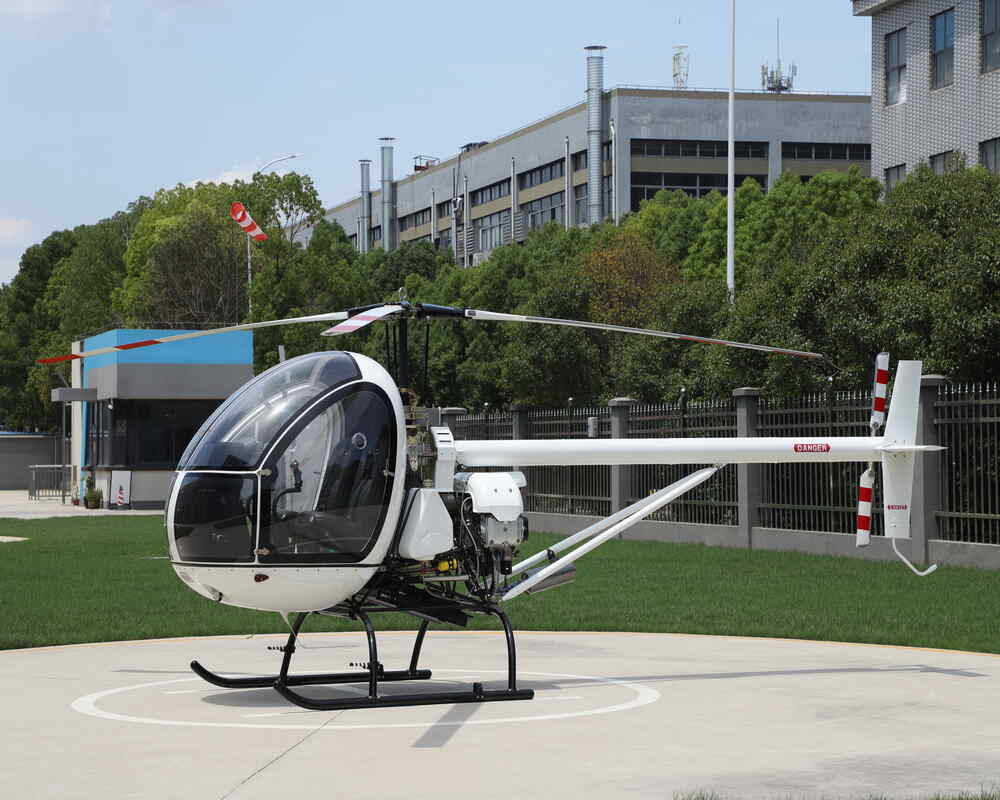
- Experimental Airworthiness Certificate: Belongs to the category of special airworthiness certificates, with the core of verifying "assembly compliance" rather than "design universality". Applicants need to provide assembly certificates and structural inspection reports; some countries (such as China) require holding a pilot's license. Taking the Flyben 22 as an example, a Special Experimental Airworthiness Certificate must be applied for in China, while overseas users need to submit applications in accordance with local regulations.
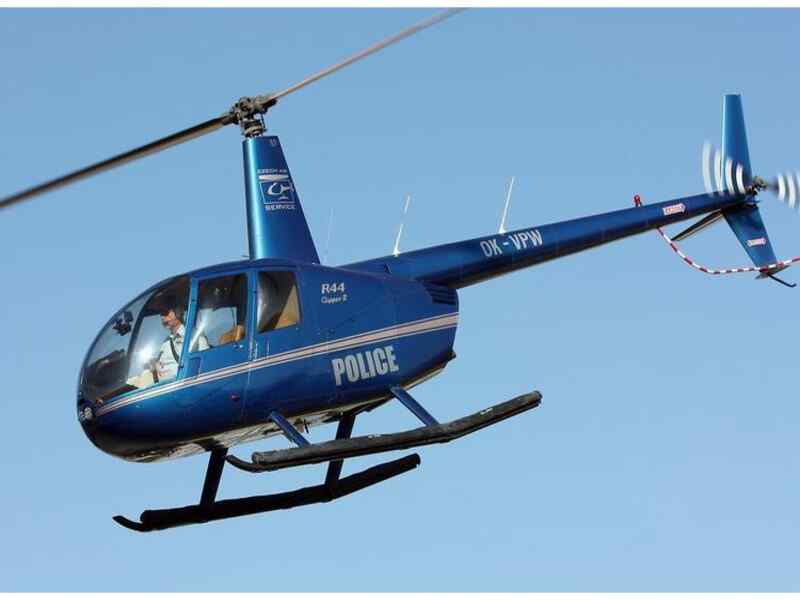
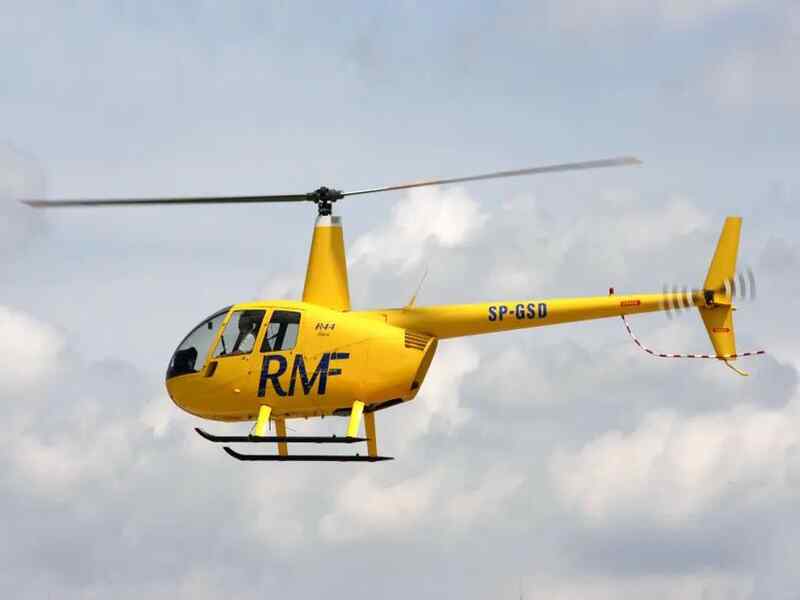
- Standard Airworthiness Certificate for Commercial Use: Based on Type Certificate (TC) and Production Certificate (PC), it requires comprehensive design reviews, system testing, and quality system audits. Taking the Robinson R22 as an example, it obtained FAA certification before mass production in 1979, and each aircraft is accompanied by a Standard Airworthiness Certificate upon delivery, which can be directly used for commercial operations.
2. Usage Scenarios and Restrictions
- Experimental Airworthiness Certificate: Strictly limited to non-commercial use, including private flight, DIY experience for aviation enthusiasts, R&D testing, etc. Even on occasions such as airshows, remuneration for carrying passengers requires additional special permission.
- Standard Airworthiness Certificate for Commercial Use: No restrictions on usage scenarios; usable for profit-making activities such as flight school training, air tourism, and power line inspection, and is a necessary qualification for commercial helicopter operations.
3. Cost and Maintenance Differences
- Experimental Airworthiness Certificate: Kit-built helicopters have lower prices (avoiding mass production and certification costs), and maintenance can be completed by users themselves, making them suitable for enthusiasts with limited budgets.
- Standard Airworthiness Certificate for Commercial Use: Mass-produced models have high prices (including R&D, certification, and production costs), and maintenance requires professional teams, making them suitable for commercial institutions pursuing reliability.
Summary
The Experimental Airworthiness Certificate provides a low-cost, high-participation flight path for kit-built helicopter enthusiasts, while the Standard Airworthiness Certificate for Commercial Use is a pass for mass-produced helicopters to enter the commercial market. The core difference between the two lies in whether commercial operations are allowed and the strictness of the certification process. The choice should be comprehensively judged based on usage (private/commercial) and budget.