Description
If
you’re an aircraft builder, operator, or aviation enthusiast, the
choice between dual ignition and single ignition systems isn’t just a
technical detail—it’s a decision that impacts flight safety,
reliability, and peace of mind. For certified aircraft, commercial
operations, or even high-stakes experimental flights, understanding why
dual ignition is the gold standard (and where single ignition falls
short) could mean the difference between a safe landing and a
catastrophic failure. This guide uses the AIDA framework to break down
their core differences, with a laser focus on safety—aviation’s most
critical priority.
Every
time you take to the skies, your aircraft’s ignition system is the
unsung hero powering each cylinder. But here’s the stark truth: a single
point of failure in your ignition can lead to engine shutdown, forced
landings, or worse. For pilots flying over remote areas, oceans, or
populated regions, the risk of a single ignition failure is too great to
ignore.
Consider
this: A 2020 study published in Sage Journals found that 17% of light
aircraft emergency landings are caused by ignition system failures—90%
of those involving single ignition setups. For commercial operators, a
single ignition failure can result in millions in lost revenue,
regulatory fines, and reputational damage. For experimental aircraft
builders, cutting corners with single ignition might save upfront costs,
but it puts your life on the line every time you fly.
The
choice between dual ignition and single ignition isn’t about “better
performance” or “simpler maintenance”—it’s about survival. And when it
comes to aviation, safety should never be a compromise.
To
understand why dual ignition is the safer choice, we first need to
break down how each system works, their design principles, and the
critical role of redundancy in aviation.
A
single ignition system is the simplest form of aircraft ignition: one
spark plug per cylinder, connected to a single ignition circuit (either a
magneto or electronic ignition module). It relies on a single path to
ignite the fuel-air mixture—no backups, no redundancies.
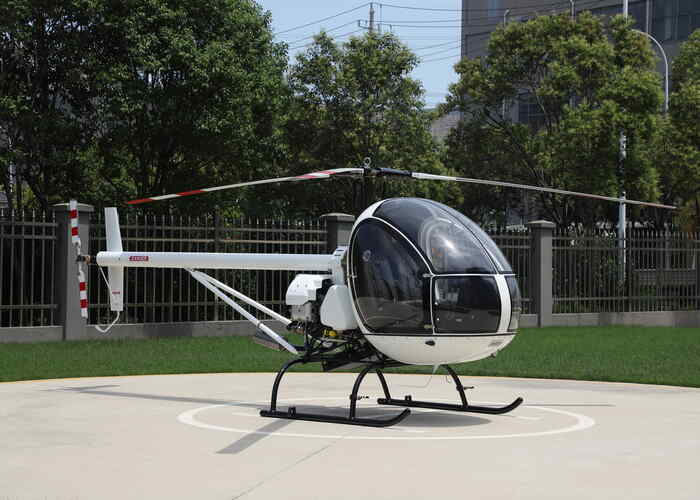
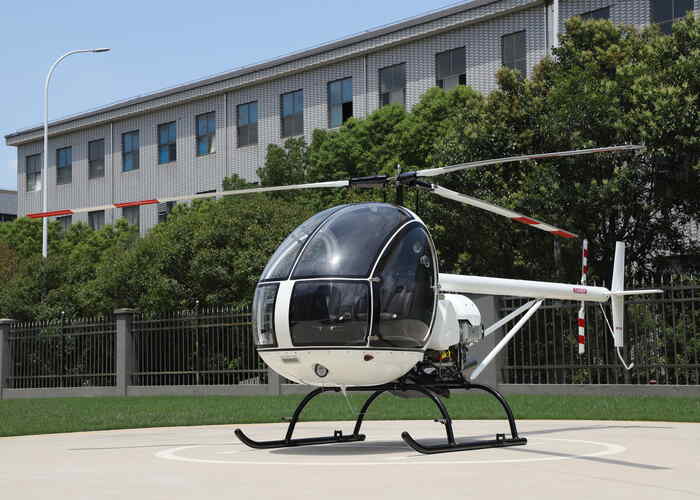
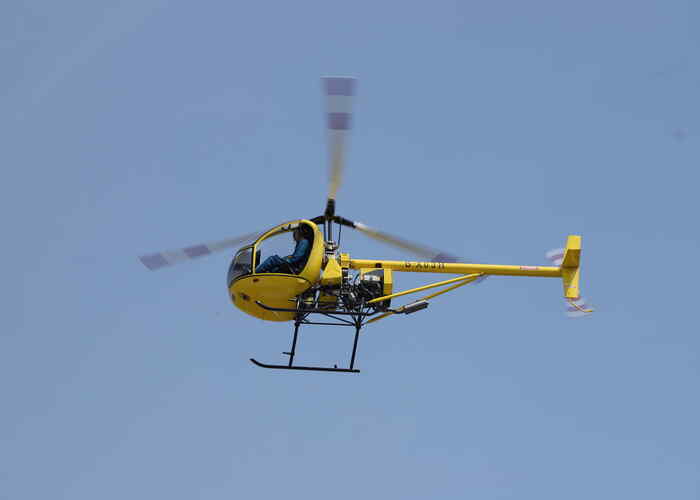
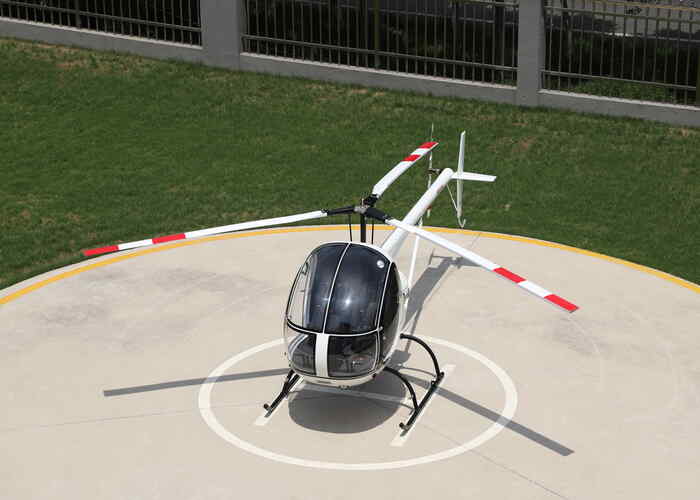
Single
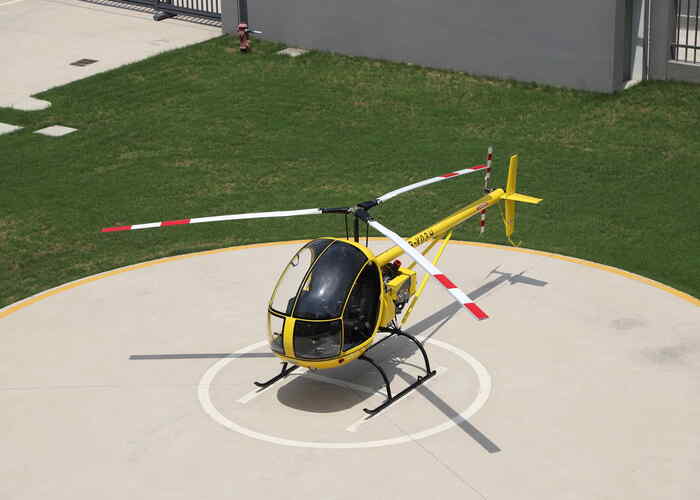
ignition systems are rare in certified aircraft but may appear in
ultralights, small kit-built helicopters, or low-power experimental
models. Their appeal is straightforward: lower upfront cost, fewer
components, and simpler maintenance. For example, a small experimental
helicopter builder might opt for single ignition to cut costs and reduce
weight, assuming the risk is acceptable for short, low-altitude
flights.
But
simplicity comes at a steep price. If the spark plug fouls, the
ignition coil fails, or the magneto malfunctions, the cylinder can’t
ignite. In a single-engine aircraft, this means immediate power
loss—often at the worst possible time, like during takeoff, climb, or
over areas with no emergency landing options.
Dual
ignition systems are engineered for safety first: two independent spark
plugs per cylinder, paired with two separate ignition circuits (e.g.,
two magnetos, two electronic modules, or a hybrid of both). This
“redundancy by design” ensures that if one system fails, the other takes
over—keeping the engine running and the aircraft airborne.
Take
the PW1100G-JM engine, used in the Airbus A320NEO family. It features
two fully independent ignition systems (A and B), with the engine’s
electronic control unit (EEC) automatically monitoring both. If one
system malfunctions, the EEC switches to dual ignition mode, maintaining
full power with minimal performance impact. Similarly, the Lycoming
O-320 series—one of the most popular general aviation engines—uses two
magnetos with separate drives, eliminating “single points of failure”
that could disable both systems.
Dual
ignition isn’t just about backup, though. It also improves combustion
efficiency, power output, and fuel economy. Two spark plugs create twin
flame fronts in the cylinder, ensuring faster, more uniform fuel burn.
Studies (en-academic.com,
2025) show this reduces engine vibration, increases horsepower by 5–8%,
and improves fuel efficiency by 5–10% compared to single ignition. For
commercial operators, this translates to lower operating costs and
longer engine life—on top of enhanced safety.
Aviation
regulations (FAA, EASA, CAAC) mandate dual ignition for most certified
aircraft for a reason: redundancy is the foundation of safe flight.
Let’s break down the safety risks of single ignition versus the
protections offered by dual ignition:
Single Ignition Risks: A single system failure
(e.g., a faulty spark plug or magneto) can cause immediate cylinder
misfire or complete engine shutdown. In a 4-cylinder engine, losing one
cylinder means a 25% power loss—enough to prevent a safe climb or
maintain altitude. For example, a pilot flying a single-ignition
ultralight over a forest could face a forced landing with no clear
landing zone, leading to catastrophic damage or injury.
Dual Ignition Safety Nets: If one spark plug or
circuit fails, the other system keeps the cylinder firing. Tests on the
ASZ-62 IR-16 X radial engine (Sage Journals, 2020) showed that
deactivating one spark plug (simulating failure) resulted in only a
75-rpm drop and minimal power loss—far from enough to compromise flight
safety. In commercial aviation, this redundancy ensures pilots have time
to navigate to a safe landing site, even if one system fails
mid-flight.
Dual
ignition also mitigates common ignition issues like fouled spark plugs.
In a single system, a fouled plug means a dead cylinder. In a dual
system, the second plug continues to ignite the fuel-air mixture,
allowing the pilot to land safely and address the issue on the ground.
Now
that you understand the core differences, let’s explore why dual
ignition is the preferred (and often required) choice for anyone who
values safety, reliability, and long-term value. Whether you’re a
commercial operator, experimental builder, or general aviation pilot,
dual ignition delivers benefits that single ignition can’t match.
Commercial
aviation is governed by strict safety regulations, and dual ignition is
non-negotiable for certified aircraft. FAA Part 33 (Aircraft Engines)
mandates dual ignition for engines used in commercial flight, ensuring
that operators meet the highest safety standards. But compliance is just
the start—dual ignition also delivers tangible business benefits:
Minimized Downtime: Single ignition failures are a
leading cause of flight cancellations and delays. A 2025 report (Doc88)
found that single-ignition engines have a failure rate of 0.8 per 1,000
flight hours, while dual-ignition engines have a failure rate of just
0.1 per 1,000 flight hours. For airlines or charter companies, this
means fewer disruptions, happier customers, and lower costs associated
with missed flights.
Longer Engine Life: Uniform combustion from dual
ignition reduces wear and tear on engine components, extending engine
life by 15–20% compared to single ignition. This lowers maintenance
costs and replacement expenses over the engine’s lifespan.
Enhanced Reputation: Safety is a competitive
advantage in commercial aviation. Operators who invest in dual ignition
signal to customers, regulators, and insurers that they prioritize
safety—building trust and credibility.
Experimental
aircraft builders often face tradeoffs between cost, weight, and
safety. But for those flying beyond low-altitude, short-duration
flights, dual ignition is worth the investment:
Peace of Mind: Flying over remote areas, mountains,
or water? Dual ignition gives you a backup plan if one system fails.
You won’t have to worry about being stranded with a dead engine—you can
maintain power and navigate to safety.
Better Performance: As mentioned earlier, dual
ignition improves combustion efficiency, delivering more power and
better fuel economy. For kit-built helicopters or high-performance
experimental aircraft, this means smoother operation, faster climbs, and
longer range.
Regulatory Flexibility: While experimental aircraft
aren’t subject to the same regulations as certified aircraft, many
builders opt for dual ignition to meet insurance requirements or prepare
for potential certification. It also makes the aircraft more marketable
if you decide to sell it later.
General
aviation pilots fly for recreation, business, or training—often over
diverse terrain and in varying weather conditions. For these pilots,
dual ignition is a critical safety feature:
Emergency Preparedness: Even the most experienced
pilots can’t predict ignition failures. Dual ignition ensures you’re
prepared for the unexpected, giving you the power and time to make a
safe landing.
Consistent Performance: Single ignition systems are
more prone to rough running and misfires, especially in cold weather or
high humidity. Dual ignition’s twin flame fronts ensure consistent
combustion, reducing vibration and improving handling.
Lower Risk of Forced Landings: Forced landings are
stressful, dangerous, and often avoidable with dual ignition. A 2023 FAA
report found that general aviation pilots flying dual-ignition aircraft
are 80% less likely to experience a forced landing due to ignition
failure compared to those flying single-ignition aircraft.
It’s true that single ignition systems have lower upfront costs. But the long-term risks far outweigh the savings:
Emergency Landing Costs: A single ignition failure
leading to a forced landing can result in tens of thousands of dollars
in aircraft damage, not to mention potential injury or loss of life.
Maintenance Downtime: Single ignition systems may
require more frequent maintenance to prevent failures, leading to more
downtime and higher costs over time.
Insurance Premiums: Insurers often charge higher
premiums for single-ignition aircraft due to the increased risk of
accidents. This can erase any upfront cost savings within a few years.
Ready
to prioritize safety in your aircraft? Here’s how to take
action—whether you’re building a new aircraft, upgrading an existing
one, or choosing an engine for your next project.
Certified Commercial Flight: Dual ignition is mandatory—ensure your engine meets FAA, EASA, or CAAC regulations for dual ignition systems.
Experimental Aircraft: If you fly over remote
areas, at high altitudes, or for long durations, dual ignition is a
must. If you only fly low-altitude, short-duration flights (e.g.,
ultralight recreation over open fields), single ignition may be
sufficient—but weigh the risks carefully.
General Aviation: Opt for dual ignition to maximize safety for every flight, regardless of distance or terrain.
Not all dual ignition systems are created equal. Consider these factors when selecting a system:
Redundancy Level: Look for fully independent
circuits (e.g., two magnetos or two electronic modules) with separate
drives. Avoid systems that share components (e.g., a single coil
powering both spark plugs)—they don’t offer true redundancy.
Engine Compatibility: Ensure the system is designed
for your engine type (e.g., piston, rotor, or turboprop). For example,
China’s R05E rotor engine uses a specialized dual ignition system
optimized for its compact rotor chamber.
Maintenance Requirements: Choose a system with
accessible components and clear maintenance guidelines. Magneto-based
systems are reliable but require regular inspection, while electronic
systems offer lower maintenance but may need battery backup.
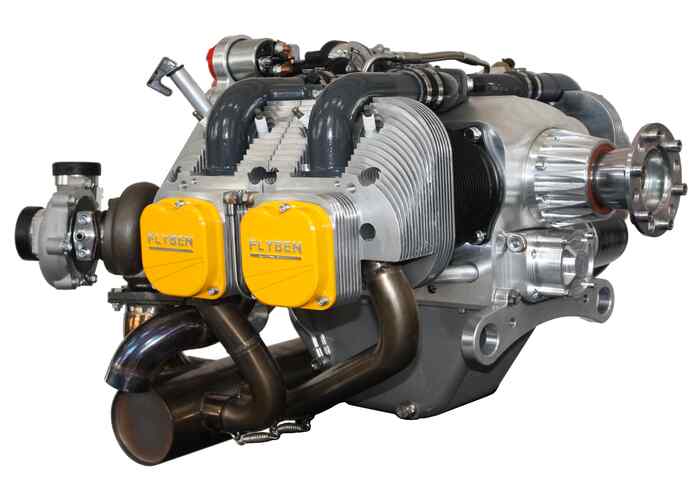
When
selecting an engine or ignition system, partner with reputable
manufacturers known for safety and quality. Brands like Lycoming,
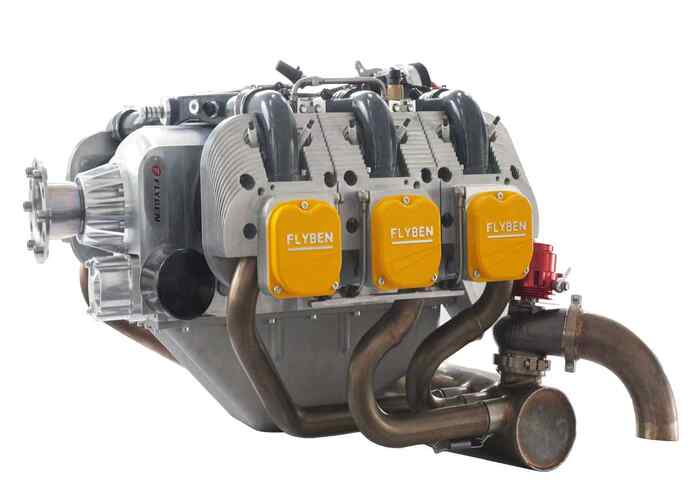
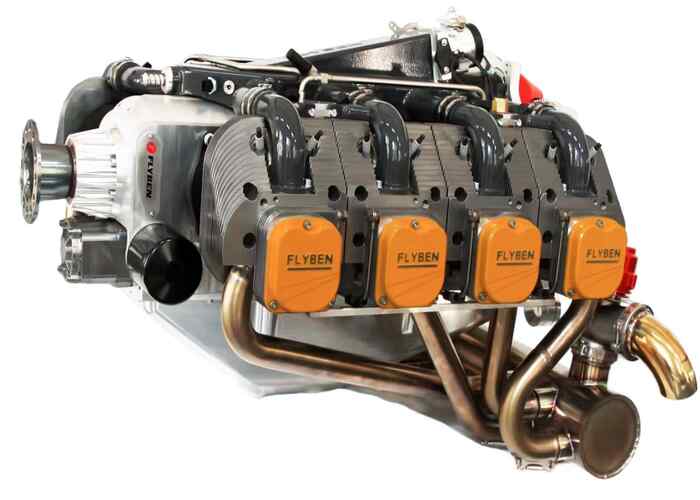
Continental, and Jiangsu Flyben Engine Co., Ltd. offer dual ignition
systems engineered to meet aviation’s strictest standards. For
experimental builders, consult with your kit manufacturer to ensure
compatibility and compliance with local regulations.
Even the best dual ignition system requires proper maintenance to perform reliably. Follow these best practices:
Inspect Spark Plugs: Check spark plugs every 50–100
flight hours for fouling, wear, or damage. Replace them at the
manufacturer’s recommended intervals.
Service Magnetos/Electronic Modules: Have magnetos
inspected and overhauled every 500 flight hours (or as recommended).
Electronic systems should be tested regularly to ensure both circuits
are functioning.
Test Redundancy: During pre-flight checks, test
both ignition systems to confirm they’re working independently. This
takes just a few minutes and could save your life.
If you’re an operator or flight school, ensure your pilots and maintenance team understand the importance of dual ignition:
Pilot Training: Train pilots to recognize ignition
system failures and respond appropriately (e.g., switching to the backup
system, adjusting power settings, and preparing for landing).
Maintenance Training: Ensure your maintenance team
is familiar with dual ignition systems, including how to inspect, test,
and repair them. This reduces the risk of maintenance-related failures.
The
choice between dual ignition and single ignition systems comes down to
one simple question: How much do you value safety? For certified
commercial flight, experimental aircraft flying beyond low-risk
scenarios, or general aviation pilots who want peace of mind, dual
ignition is the only viable option.
Dual
ignition’s redundancy ensures you’re prepared for the unexpected, its
combustion efficiency improves performance and reduces costs, and its
compliance with aviation regulations makes it a smart long-term
investment. Single ignition may save you money upfront, but the risk of
ignition failure—with potentially catastrophic consequences—is too great
to ignore.
At
the end of the day, aviation is about freedom—the freedom to explore,
to conduct business, to pursue your passion. But that freedom is only
possible when you prioritize safety. By choosing dual ignition, you’re
not just investing in an ignition system—you’re investing in your
safety, your passengers’ safety, and the future of your aviation
endeavors.
Ready
to make the switch to dual ignition? Contact a trusted engine
manufacturer today to learn more about your options. The skies are
waiting—and with dual ignition, you can fly with confidence, knowing
you’re protected by the most reliable safety feature in aviation.