Description
The
Experimental Airworthiness Certificate (applicable to kit-built
helicopters) and the Standard Airworthiness Certificate for Commercial
Use differ significantly in core positioning, scope of application,
certification process, and other aspects. Below is a detailed
comparison:
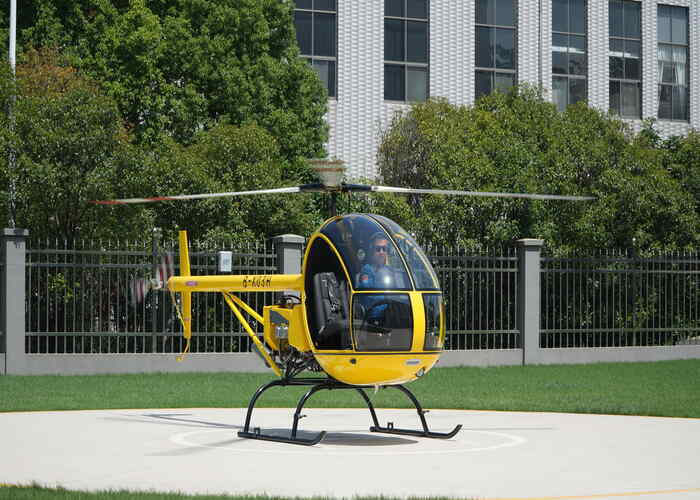
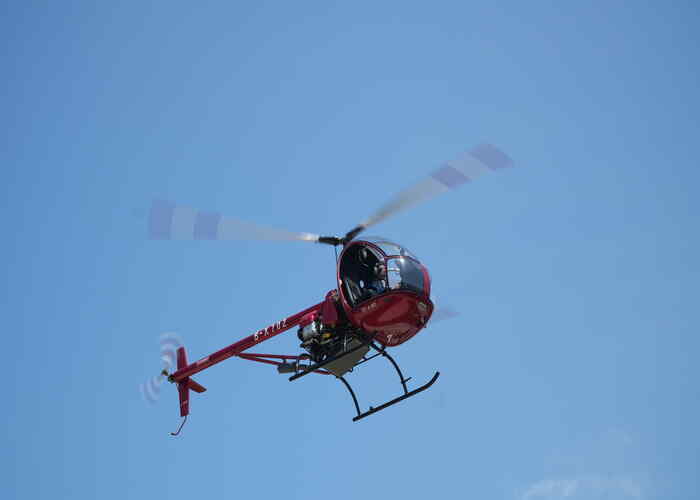
Experimental Airworthiness Certificate: Belongs to
the category of special airworthiness certificates, with the core of
verifying "assembly compliance" rather than "design universality".
Applicants need to provide assembly certificates and structural
inspection reports; some countries (such as China) require holding a
pilot's license. Taking the Flyben 22 as an example, a Special
Experimental Airworthiness Certificate must be applied for in China,
while overseas users need to submit applications in accordance with
local regulations.
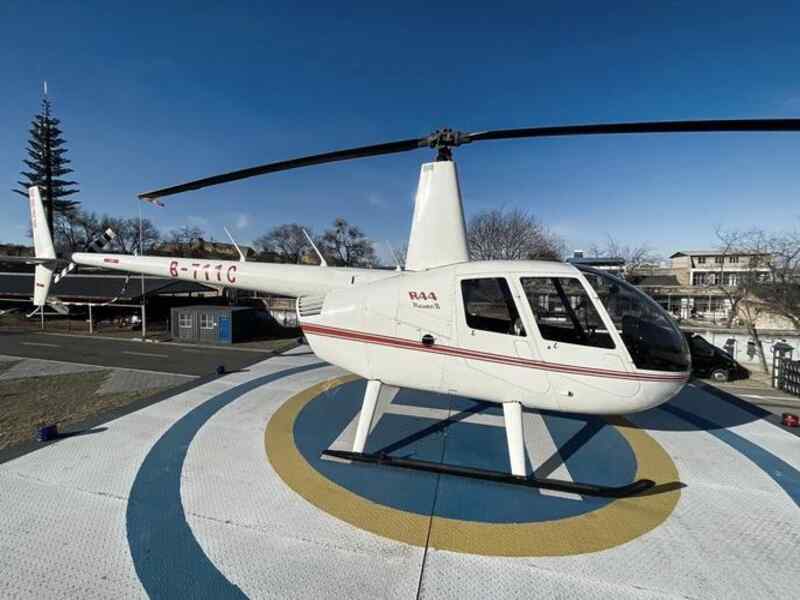
Standard Airworthiness Certificate for Commercial Use:
Based on Type Certificate (TC) and Production Certificate (PC), it
requires comprehensive design reviews, system testing, and quality
system audits. Taking the Robinson R22 as an example, it obtained FAA
certification before mass production in 1979, and each aircraft is
accompanied by a Standard Airworthiness Certificate upon delivery, which
can be directly used for commercial operations.
Experimental Airworthiness Certificate: Strictly
limited to non-commercial use, including private flight, DIY experience
for aviation enthusiasts, R&D testing, etc. Even on occasions such
as airshows, remuneration for carrying passengers requires additional
special permission.
Standard Airworthiness Certificate for Commercial Use:
No restrictions on usage scenarios; usable for profit-making activities
such as flight school training, air tourism, and power line inspection,
and is a necessary qualification for commercial helicopter operations.
Experimental Airworthiness Certificate: Kit-built
helicopters have lower prices (avoiding mass production and
certification costs), and maintenance can be completed by users
themselves, making them suitable for enthusiasts with limited budgets.
Standard Airworthiness Certificate for Commercial Use:
Mass-produced models have high prices (including R&D,
certification, and production costs), and maintenance requires
professional teams, making them suitable for commercial institutions
pursuing reliability.
The
application procedures and required materials for experimental and
standard airworthiness certificates vary significantly across different
civil aviation authorities. Below is a detailed breakdown of the
requirements of three major authorities: the Federal Aviation
Administration (FAA) of the United States, the European Union Aviation
Safety Agency (EASA), and the Civil Aviation Administration of China
(CAAC).
Preparation Stage: Confirm that more than 50% of the helicopter's
structure is fabricated and assembled by individuals or a group (to meet
the "major portion" requirement), and clarify that the purpose is for
education, recreation, or experiment.
Document Submission: Submit the required materials to the nearest FAA field office.
Aircraft Inspection: FAA inspectors conduct on-site inspections to
verify structural safety and compliance with aeronautical standards.
Flight Testing: After passing the inspection, conduct Phase I flight
testing (with specific limitations) to prove the aircraft's safe flight
capability; Phase II flight testing with more liberal limitations is
allowed upon successful completion.
Certificate Issuance: Issue the Experimental Special Airworthiness Certificate along with operating limitations.
AC Form 8050-3 ("Certificate of Aircraft Registration");
Aircraft Builder's Log (recording the entire assembly process and component information);
Aircraft Identification Materials: Photographs or three-view
drawings to clearly identify the aircraft's appearance and structure;
Notarized FAA Form 8130-12 ("Eligibility Statement, Amateur-Built Aircraft");
Program Letter in accordance with 14 CFR Section 21.191(g);
Additional Materials for Imported Kits: Evidence that the kit is
manufactured in a country with a bilateral airworthiness agreement with
the United States (if applicable);
Flight Test Plan: Including the purpose of the experiment, estimated
flight times, and test areas (for experimental-purpose aircraft).
Pre-Certification Preparation: Obtain Type Certificate (TC) and
Production Certificate (PC) in accordance with Part 21 of FAA
regulations, proving that the helicopter design and production meet
commercial airworthiness standards.
Application Submission: The aircraft manufacturer or owner submits the application to the FAA.
Design and Production Review: The FAA reviews the type design data, production quality control system, and conformity statement.
Aircraft Inspection and Testing: Conduct comprehensive inspections
of the aircraft's structure, systems, and equipment, as well as flight
tests to verify performance and safety.
Certificate Issuance: Issue the Standard Airworthiness Certificate after all reviews and tests are passed.
Application Form for Standard Airworthiness Certificate;
Valid Type Certificate (TC) and Production Certificate (PC);
Type Design Data (including drawings, specifications, and compliance reports);
Manufacturer's Statement of Conformity (proving the aircraft complies with the approved type design);
Aircraft Maintenance and Inspection Manuals;
Flight Test Reports (proving compliance with flight performance and safety requirements);
Aircraft Registration Document.
EASA
does not issue Specific Airworthiness Specifications (SAS) for
experimental aircraft. For kit-built helicopters, they are mainly
regulated by the national aviation authorities of EU member states, with
the following general requirements:
Eligibility Confirmation: Confirm that the aircraft is for
non-commercial use (recreation, education, or experiment) and meets the
member state's requirements for amateur-built aircraft.
Document Submission: Submit materials to the national aviation
authority of the EU member state where the aircraft is registered.
Structural and Safety Inspection: Conduct on-site inspections to verify assembly compliance and structural safety.
Flight Testing: Complete the required flight tests to prove safe flight capability.
Certificate Issuance: Issue a Restricted Certificate of
Airworthiness or Permit to Fly (equivalent to experimental
certification) with operating limitations.
Application Form for Experimental Airworthiness Approval;
Aircraft Assembly Records (detailing the assembly process and component sources);
Aircraft Identification Materials (photographs, three-view drawings);
Kit Manufacturer's Compliance Statement (proving the kit meets relevant consensus standards);
Flight Test Plan and Risk Assessment Report;
Pilot's License (proving the operator has the required flight qualifications);
Aircraft Registration Document (issued by the member state's aviation authority).
Type Certification: Obtain Type Certificate (TC) from EASA in
accordance with Part 21 of EASA regulations, proving the aircraft design
meets EU commercial airworthiness standards.
Production Approval: Obtain Production Organization Approval (POA)
to ensure the production process complies with quality control
requirements.
Application Submission: Submit the standard airworthiness
certificate application to EASA or the designated national aviation
authority.
Aircraft Inspection and Conformity Review: Inspect the aircraft's
configuration, systems, and equipment to confirm compliance with the
approved type design.
Certificate Issuance: Issue the Standard Airworthiness Certificate after passing all reviews and inspections.
Application Form for Standard Airworthiness Certificate;
Valid EASA Type Certificate (TC) and Production Organization Approval (POA);
Type Design Data and Compliance Reports;
Manufacturer's Statement of Conformity;
Aircraft Flight Manual and Maintenance Manual;
Flight Test Reports (compliant with EASA flight performance requirements);
Aircraft Registration Document (issued by the EU member state's aviation authority);
Configuration Difference Statement (if there are differences from the approved type design).
Application Submission: The applicant submits the application and
required materials to the CAAC regional administration or local
supervision bureau.
Acceptance Review: The CAAC reviews the application materials; if
the materials are complete and meet the requirements, it issues an
acceptance notice.
Airworthiness Inspection: CAAC-appointed inspectors conduct on-site
inspections of the helicopter's assembly quality, structural safety, and
equipment compliance.
Approval and Issuance: After passing the inspection, the CAAC
approves the application and issues the Experimental Special
Airworthiness Certificate.
Post-Issuance Supervision: The aircraft is subject to CAAC
supervision during use, and any modifications must be reported and
approved.
Application Form for Experimental Special Airworthiness Certificate (signed and sealed by the applicant);
Applicant's Identity Document (business license for enterprises, ID card for individuals);
Aircraft Assembly Records (including component lists, assembly process documents, and quality inspection records);
Kit Manufacturer's Qualification Certificate and Product Manual (for
imported kits, provide customs clearance documents and bilateral
airworthiness agreement-related materials);
Aircraft Identification Materials (photographs, three-view drawings, and serial number information);
Pilot's License (proving the operator has the required flight qualifications);
Flight Test Plan (including test purpose, content, and safety measures);
Other materials required by the CAAC (such as structural strength test reports if necessary).
Preparatory Work: Obtain Type Certificate (TC) or Type Acceptance
Certificate (TAC) in accordance with CCAR-21 regulations, and ensure the
aircraft has obtained Production Approval.
Application Submission: The aircraft owner or operator submits the application and required materials to the CAAC.
Material Review: The CAAC reviews the design approval, production approval, and aircraft configuration materials.
Aircraft Inspection: Conduct comprehensive inspections of the
aircraft's structure, systems, and equipment; for used aircraft, conduct
pre-inspection and issue a pre-inspection report.
Certificate Issuance: Issue the Standard Airworthiness Certificate after all reviews and inspections are passed.
Application Form for Standard Airworthiness Certificate;
Aircraft Nationality Registration Certificate (in accordance with CCAR-45 regulations);
Type Certificate (TC) or Type Acceptance Certificate (TAC) and its amendments;
Production Approval Document (Production Certificate or Production License);
Aircraft Configuration and Difference Statement (compared with the approved type design);
Pre-Inspection Checklist, Pre-Inspection Report, and Airworthiness Inspection Plan (for used aircraft);
Manufacturer's Statement of Conformity;
Other materials required by the CAAC.
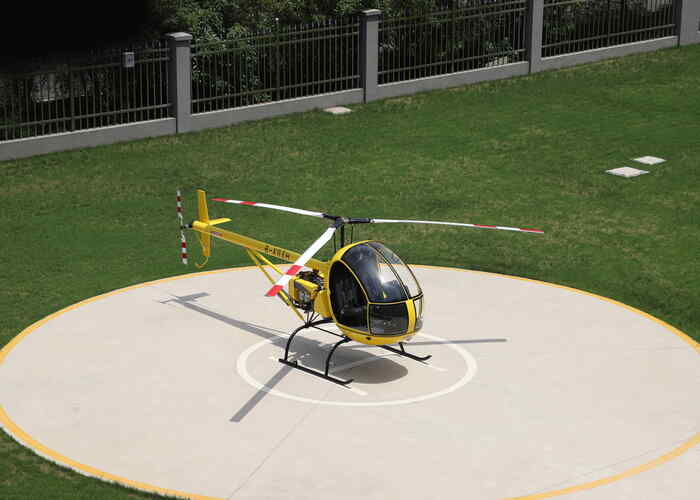
The
Experimental Airworthiness Certificate provides a low-cost,
high-participation flight path for kit-built helicopter enthusiasts,
while the Standard Airworthiness Certificate for Commercial Use is a
pass for mass-produced helicopters to enter the commercial market. The
core difference between the two lies in whether commercial operations
are allowed and the strictness of the certification process. The choice
should be comprehensively judged based on usage (private/commercial) and
budget.
From the perspective of application requirements,
experimental certificates focus on assembly compliance and
non-commercial purposes, with relatively simplified procedures and
materials; standard certificates emphasize type design and production
quality, requiring strict review of multiple certificates and test
reports. Applicants must comply with the specific regulations of the
local civil aviation authority to ensure legal and safe flight
operations.