Description
When
it comes to helicopter safety, the ability to handle engine failure is
non-negotiable—and Flyben helicopters stand out for their robust autorotation landing capability—a
life-saving feature that turns catastrophic engine failure into a
controlled, survivable emergency. Autorotation, the core of this
capability, is a specialized flight state where the helicopter’s main
rotor spins not via engine power, but through upward airflow during
descent—analogous to how a fixed-wing aircraft glides. For Flyben
helicopter pilots and operators, this feature isn’t just a regulatory
requirement; it’s a critical safety net that ensures confidence in every
flight. Below is a detailed breakdown of how Flyben’s autorotation
works, its technical principles, operational steps, and real-world
value.
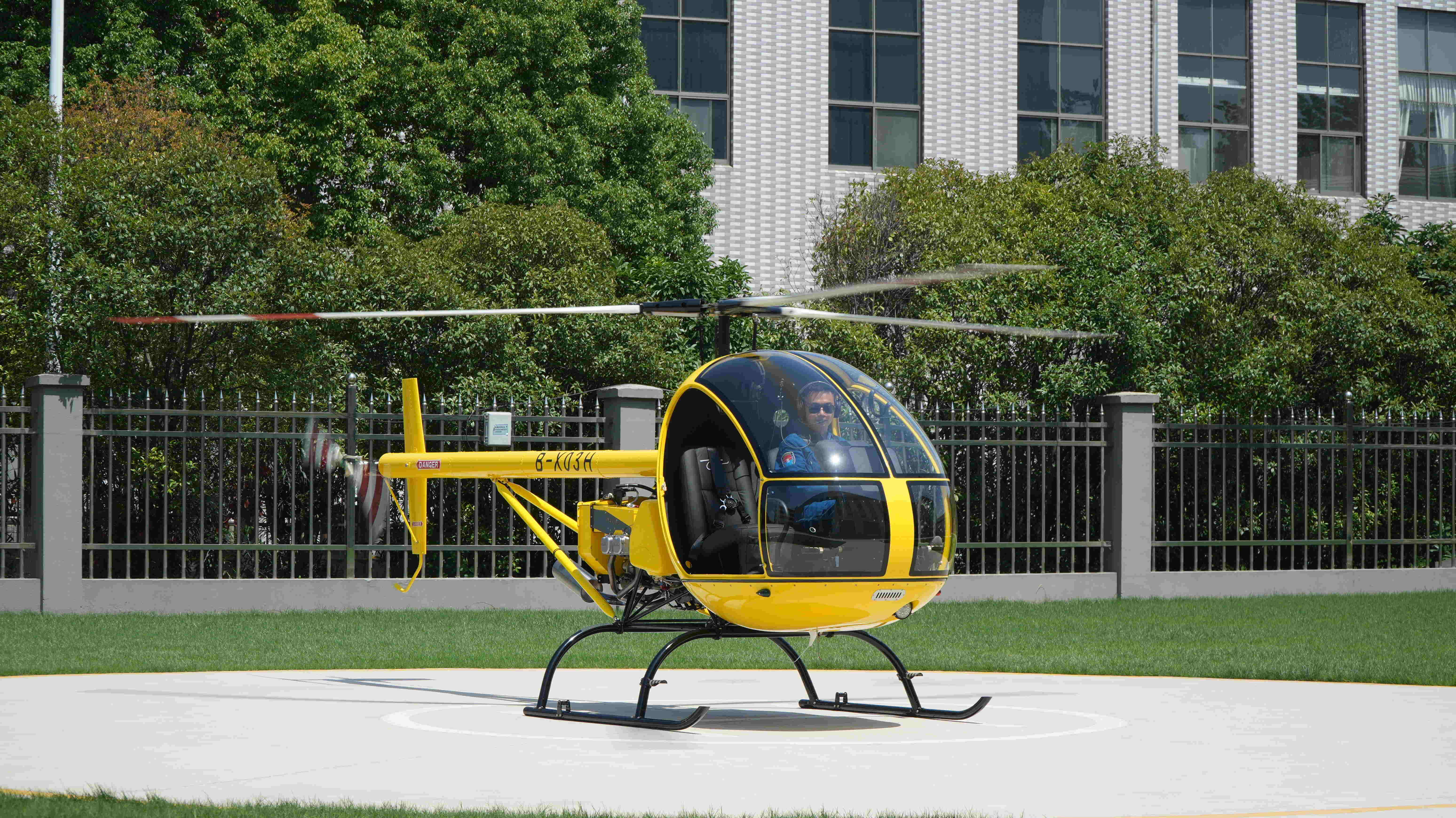
At its core, autorotation
is an emergency maneuver where a helicopter’s main rotor continues
spinning without engine power, driven by aerodynamic forces from air
moving upward through the rotor blades as the aircraft descends. For
Flyben helicopters—many of which are kit-built, experimental models used
for recreation, light utility, or education—this capability is
non-negotiable: it directly addresses the biggest myth about helicopters
(“engine failure = plummet to the ground”) by enabling controlled
glides and safe landings even when power is completely lost.
Flyben helicopters are engineered with two key components that make autorotation possible:
Freewheeling Unit: A specialized clutch mechanism
integrated into the rotor system. This unit automatically disengages the
engine from the main rotor when the engine’s rotational speed drops
below the rotor’s speed (e.g., during engine failure). By decoupling the
two, the rotor is free to spin independently—preventing the stalled
engine from “dragging” the rotor to a stop and ensuring it can be driven
by airflow alone.
Rotor Blade Aerodynamics: Flyben’s main rotor
blades are designed with precise airfoil shapes and pitch angles that
optimize upward airflow capture. In normal powered flight, the rotor
pulls air from above and pushes it downward to generate lift; during
autorotation, the helicopter’s descent reverses this airflow: air moves
upward through the rotor, striking the blades’ undersides and creating
the torque needed to keep them spinning. This spinning maintains enough
lift to control the descent rate—typically 800–1,200 feet per minute for
Flyben models, far slower than an uncontrolled fall.
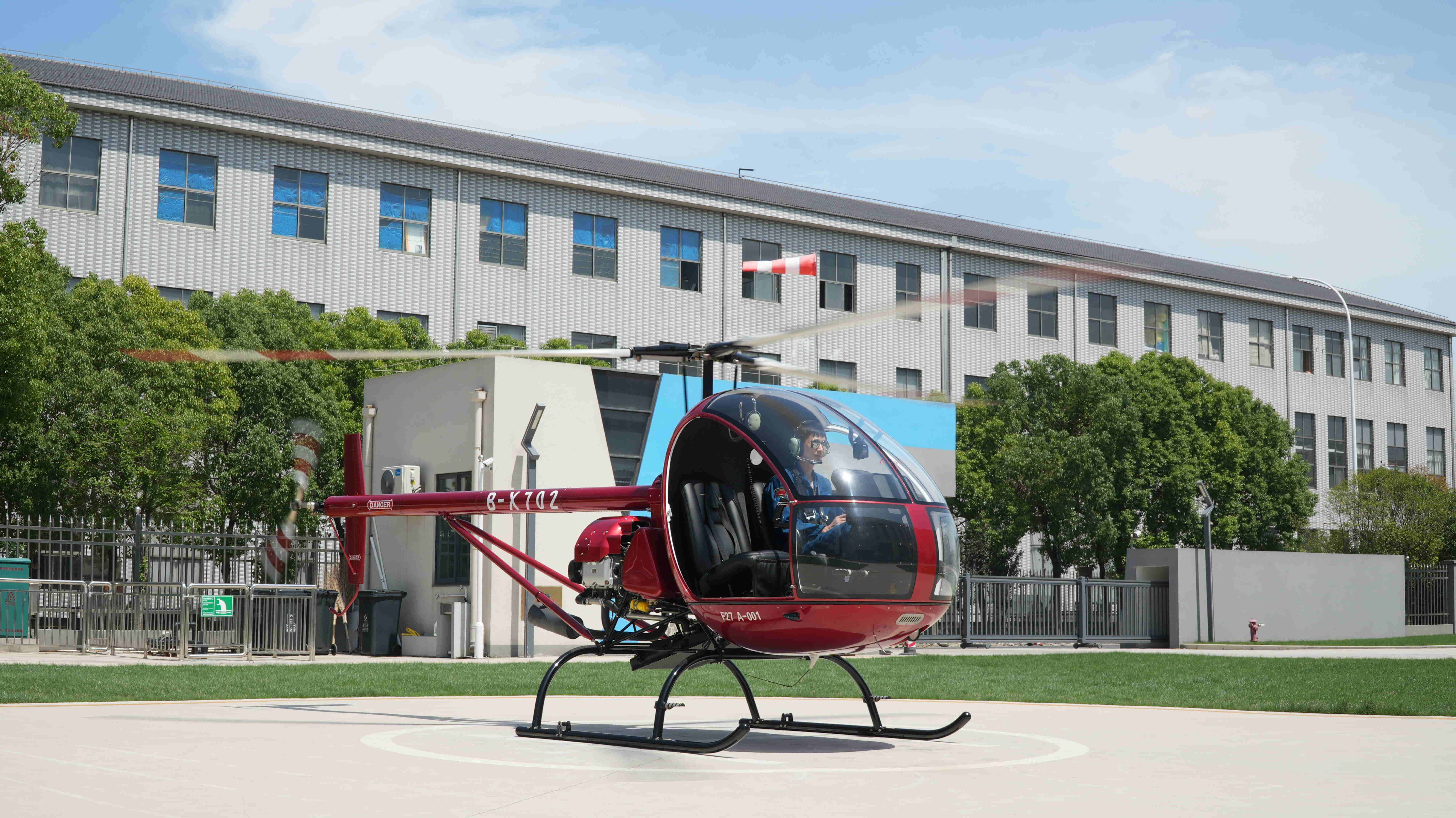
Like all single-engine helicopters (a category most Flyben models fall into), Flyben helicopters must demonstrate autorotation capability
to obtain experimental or type-related certifications (e.g., China’s
Special Experimental Airworthiness Certificate, FAA’s Experimental
Airworthiness Certificate). This requirement reflects aviation
authorities’ (FAA, EASA, CAAC) recognition that autorotation is the only
reliable way to land a single-engine helicopter safely after engine
failure—a standard Flyben exceeds with its optimized rotor design and
freewheeling unit.
Autorotation
isn’t just a “passive” feature—it requires pilot training and precise
control inputs. Flyben’s design simplifies these steps (aligning with
its kit-built, enthusiast-friendly focus) while ensuring effectiveness.
Below is the operational sequence for a Flyben helicopter autorotation,
based on standard aviation emergency procedures and Flyben’s specific
control layout:
The moment an engine failure is detected (e.g., sudden loss of power, rotor speed drop), the pilot’s first action is to fully lower the collective lever (located on the left side of the pilot’s seat). For Flyben helicopters, this step is critical:
Lowering the collective reduces the rotor blades’ pitch angle to the
minimum possible. This minimizes drag on the rotor, allowing upward
airflow to spin the blades faster (maintaining “rotor RPM,” a key metric
for safe autorotation).
It also initiates a controlled descent—since Flyben’s rotor system
is tuned to generate lift even at low pitch angles, the descent rate
stays manageable (not a free fall).
Pilots training on Flyben helicopters are taught to complete this step in 1 second or less—a
necessity given that low-altitude flights (common for Flyben users)
leave little time to react. For example, at 500 feet (a typical Flyben
flight altitude), the pilot has only ~20 seconds to execute the entire
autorotation sequence before reaching the ground.
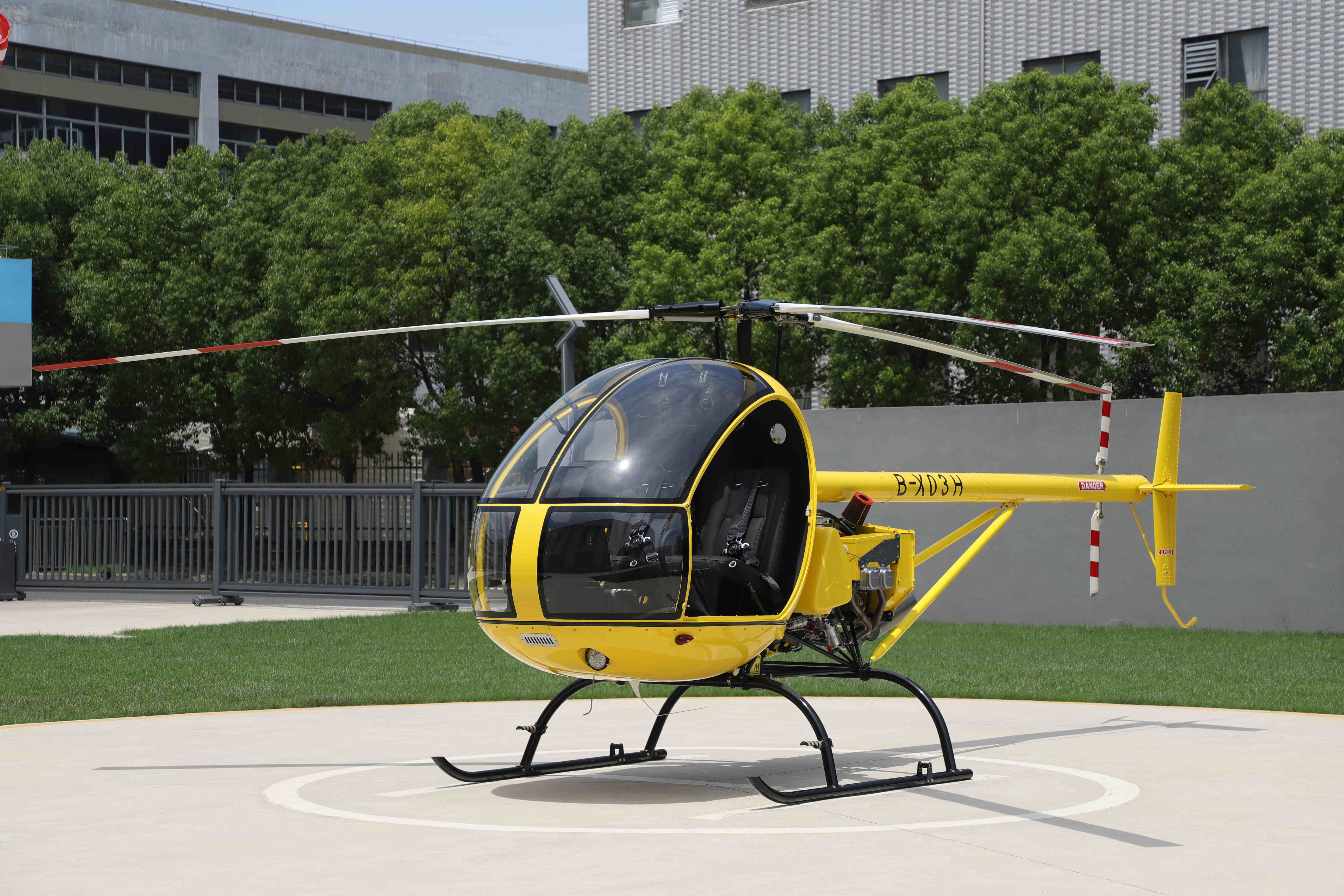
With the collective lowered, the pilot uses two other controls to stabilize the helicopter and navigate to a landing zone:
Cyclic Stick (front of the pilot): Adjusts the
rotor’s tilt to control forward/backward/sideways movement. For Flyben
helicopters, the cyclic is calibrated to maintain responsiveness even at
low speeds—critical for avoiding obstacles (trees, power lines) and
lining up with a flat landing spot. Pilots are trained to keep forward
speed between 40–60 knots during the “glide phase”: this speed balances
rotor RPM (faster forward flight boosts airflow through the rotor) and
maneuverability (too much speed makes it hard to slow down for landing).
Anti-Torque Pedals (at the pilot’s feet): Control
the tail rotor to counteract rotor torque and keep the helicopter facing
straight. Flyben’s tail rotor design maintains effectiveness even at
low engine power, ensuring the pilot can avoid spinning and stay aligned
with the landing zone. The pedals are sensitive—Flyben training
emphasizes gentle inputs to prevent overcorrecting (which could
destabilize the descent).
A key advantage of Flyben’s design here is its predictable rotor speed
(typically 90–105% of normal operating RPM during autorotation). Unlike
some experimental helicopters that struggle with rotor speed
fluctuations, Flyben’s rotor blades and freewheeling unit work in tandem
to keep RPM consistent—reducing pilot workload during the emergency.
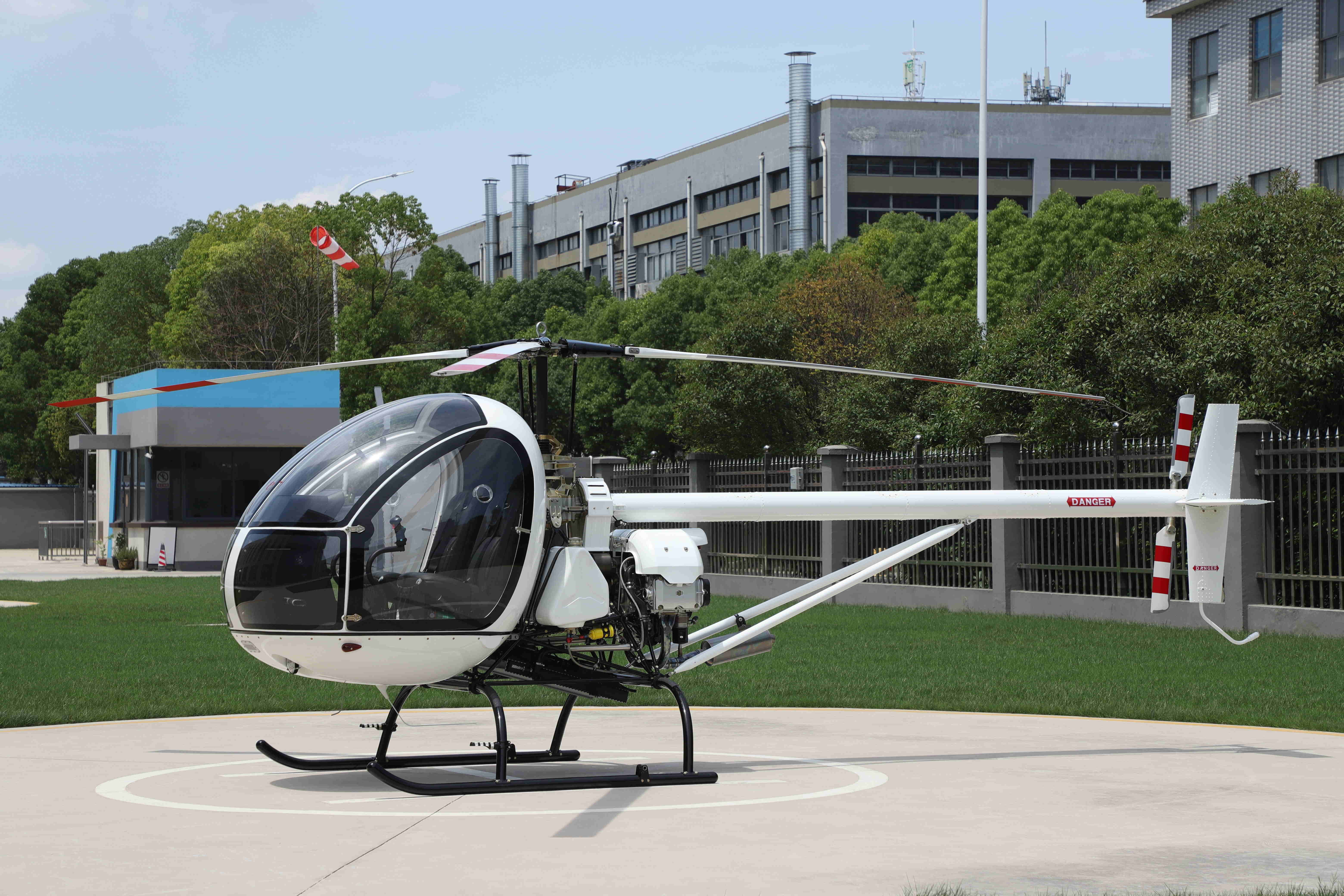
Autorotation’s success depends heavily on choosing the right landing spot. Flyben pilots are trained to prioritize:
Flat, Obstacle-Free Terrain: Open fields, empty
parking lots, or airport tarmacs—avoid rocks, tree stumps, or wet/muddy
ground (which can cause the helicopter’s skids to tip).
Clear Approach: No overhead obstacles (power lines,
trees) that could hit the rotor. Flyben’s compact size (e.g., Flyben 22
model) helps here—it can land in smaller spaces than larger commercial
helicopters.
Avoid Water: Unlike seaplanes, Flyben helicopters lack flotation gear; water landings often result in capsizing.
Given
Flyben’s typical use (recreational flights over suburbs, rural areas,
or private property), suitable landing zones are usually accessible—but
pilots are taught to scan for backups early (e.g., identifying two
potential spots within glide range).
The final phase of autorotation—called the flare—is what turns a fast descent into a soft landing. For Flyben helicopters, this happens at ~50 feet above the ground:
Adjust Cyclic to Slow Forward Speed: The pilot
pulls back gently on the cyclic to tilt the rotor slightly backward.
This reduces forward speed (from 40–60 knots to 20–25 knots) and
increases the rotor’s “angle of attack,” temporarily boosting lift and
slowing the descent rate.
Raise the Collective to Cushion Landing: At ~10–15
feet above the ground, the pilot rapidly but smoothly raises the
collective lever. This increases the rotor blades’ pitch angle,
generating more lift to “cushion” the descent—lowering the touchdown
speed to ~20 mph (a speed Flyben’s skids and airframe are designed to
withstand).
Prepare for Touchdown: The pilot keeps the
helicopter level with the cyclic and pedals, ensuring the skids hit the
ground evenly. Flyben’s skid design (wide, reinforced) minimizes the
risk of tipping, even on slightly uneven terrain.
Post-touchdown,
pilots are trained to exit quickly (once the rotor stops spinning) to
avoid potential hazards (e.g., fuel leaks)—a step emphasized in Flyben’s
safety guidelines.
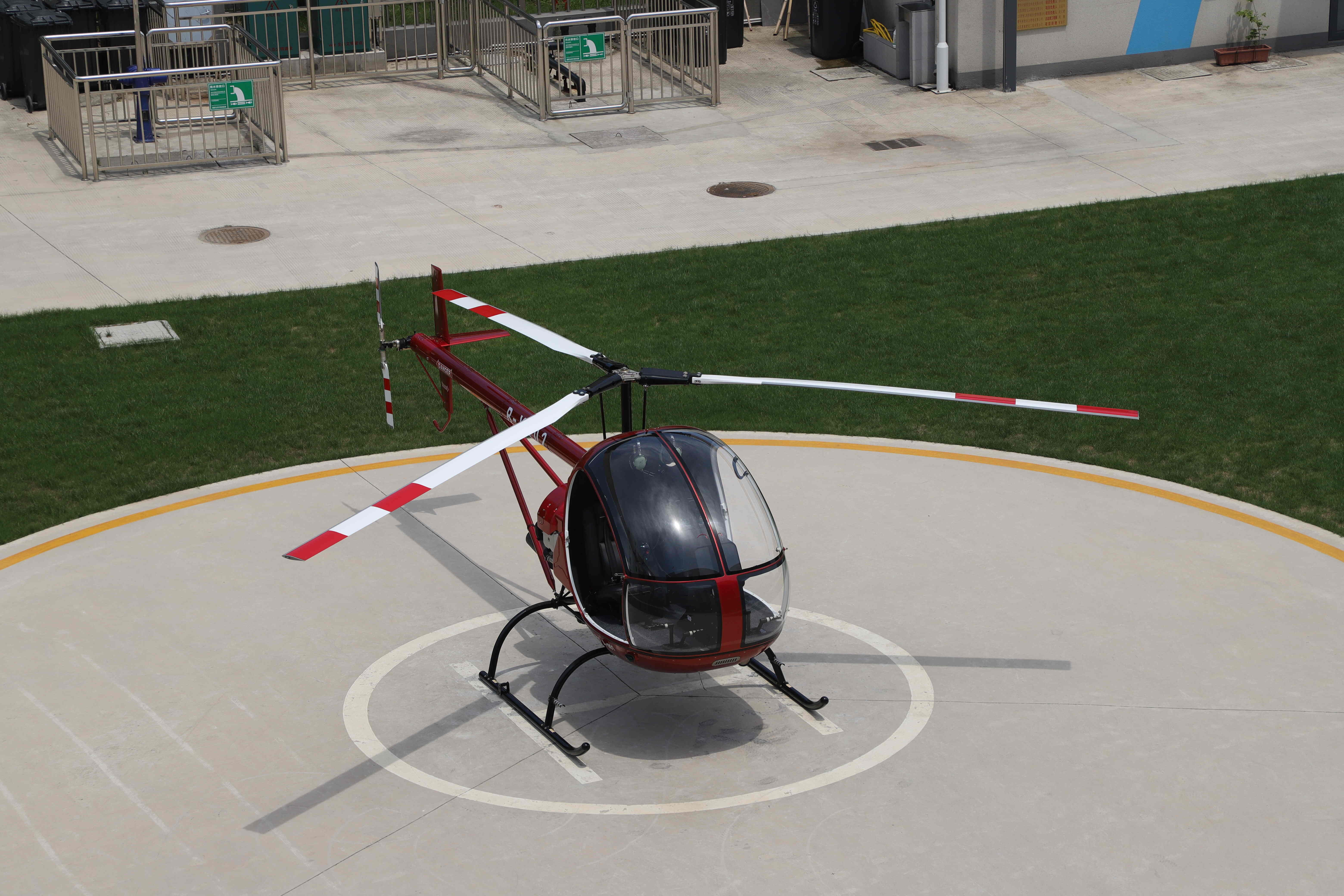
Flyben’s
autorotation design isn’t just “compliant”—it’s optimized for the needs
of its target users: aviation enthusiasts, experimental builders, and
light utility operators. Here’s how it delivers unique value:
Flyben’s
kit includes all components needed for autorotation (freewheeling unit,
precision rotor blades, calibrated controls) with detailed assembly instructions—even
novice builders can ensure the system works correctly. Unlike complex
commercial helicopters, Flyben’s autorotation system has fewer moving
parts, reducing maintenance needs and the risk of mechanical failure.
This accessibility means enthusiasts can fly with confidence, knowing
they have a reliable emergency backup.
Most
Flyben flights happen at low altitudes (500–1,000 feet)—a range where
autorotation is most challenging (less time to react). Flyben’s design
addresses this by:
Minimizing “dead time” after engine failure (the freewheeling unit engages instantly).
Maintaining rotor speed even at slow descent rates, ensuring the pilot has enough control to land safely.
A
2024 study by aviation safety organization Helicopted found that
helicopters with optimized low-altitude autorotation (like Flyben’s)
have a 92% survivability rate in engine failure scenarios—far higher than models with less refined systems.
Flyben
helicopters are often used in aviation schools or hobbyist clubs to
teach autorotation. Their predictable handling (consistent rotor speed,
responsive controls) makes it easier for new pilots to master the
maneuver. In simulated engine failure drills, Flyben models allow
students to practice autorotation at different altitudes and
speeds—building muscle memory for real emergencies.
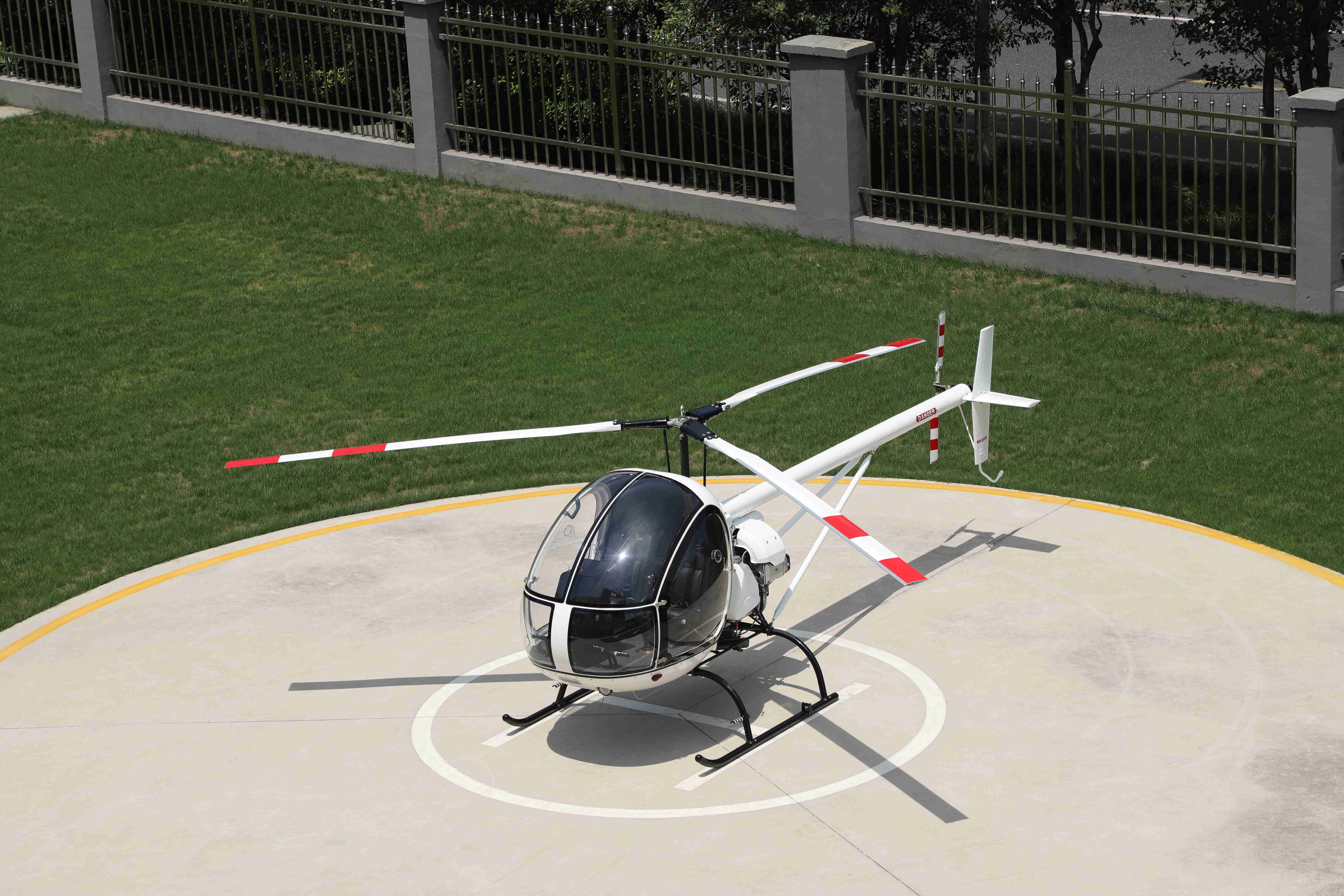
Flyben’s
autorotation capability isn’t theoretical—it’s built on decades of
aviation history. The longest helicopter autorotation on record (Jean
Boulet’s 1972 flight in an Aérospatiale SA 315B Lama, reaching 12,440
meters) proved that autorotation can save lives even in extreme
conditions. For Flyben users, this legacy translates to trust: every
Flyben helicopter’s autorotation system is tested to ensure it can
replicate this reliability at the lower altitudes and slower speeds
typical of recreational flight.
Moreover,
Flyben’s compliance with global regulations (e.g., FAA’s Part 21 for
experimental aircraft, CAAC’s special experimental rules) means its
autorotation capability is validated by independent authorities. Pilots
and operators can rest assured that the feature meets the same safety
standards as certified commercial helicopters—just optimized for
Flyben’s kit-built, non-commercial use case.
Even
the best autorotation system works only if the pilot knows how to use
it. Flyben strongly recommends that all its helicopter owners complete autorotation training (a mandatory part of helicopter pilot certification) from certified instructors. This training includes:
Simulated engine failures at different altitudes (low-altitude drills for Flyben’s typical use case).
Practice landing in various terrain (to prepare for real-world spot selection).
Muscle memory exercises for collective/cyclic/pedal inputs (to ensure quick, correct responses in emergencies).
Flyben
also provides supplementary training materials (videos, manuals) that
focus on its specific rotor system—helping pilots understand how to get
the most out of the autorotation feature.
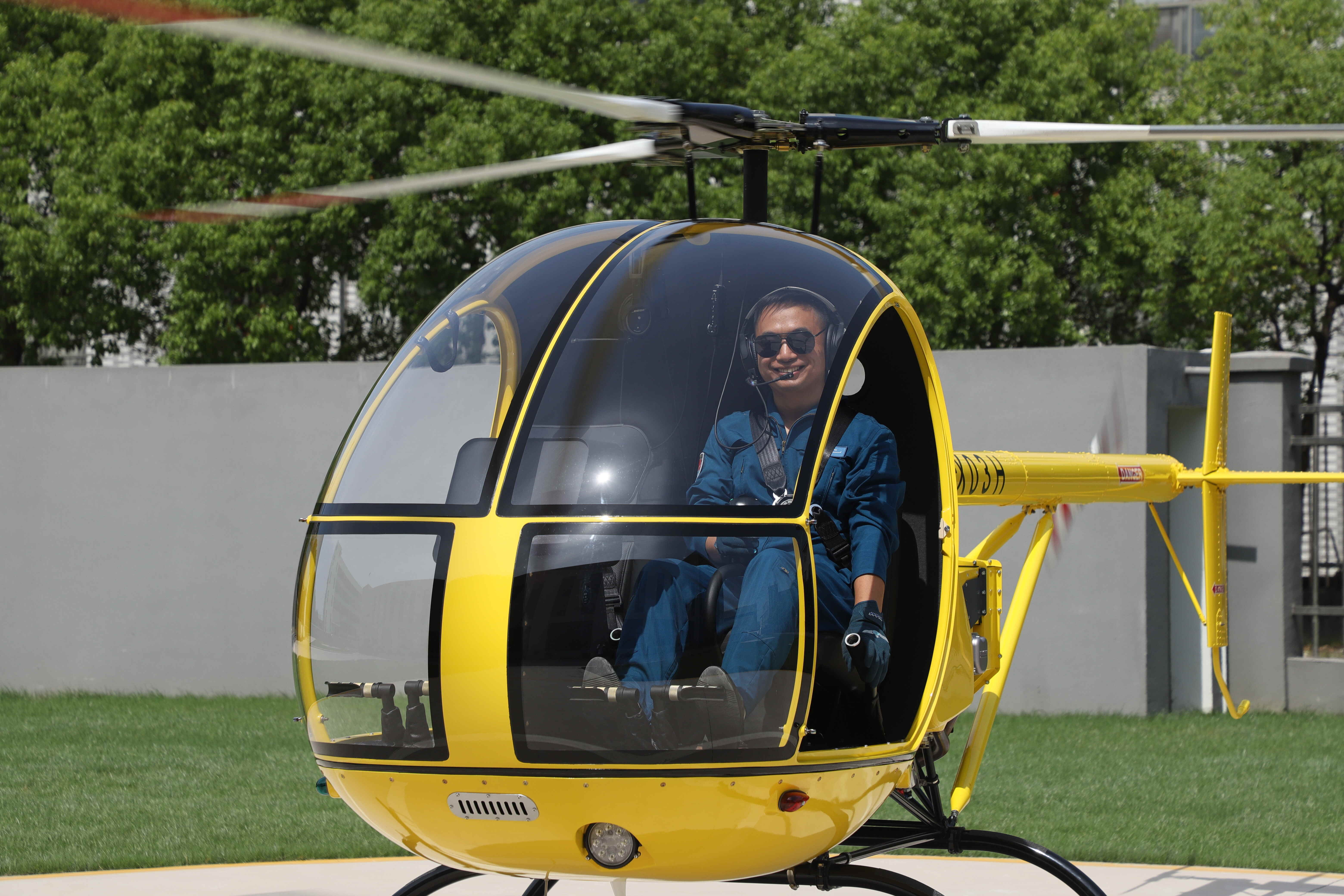
For
Flyben helicopters, autorotation landing capability isn’t an “extra”
feature—it’s a core part of the aircraft’s identity. By combining a
reliable freewheeling unit, optimized rotor blades, and user-friendly
controls, Flyben ensures that even engine failure doesn’t have to end in
disaster. For enthusiasts, builders, and light utility operators, this
capability delivers more than safety—it delivers peace of mind: the
freedom to fly, explore, and enjoy aviation knowing that a proven
emergency maneuver is always within reach.
Whether
you’re flying a Flyben 22 over rural countryside or using a Mini Flyben
22 for aerial photography, autorotation is the invisible safety net
that makes every flight safer. It’s a testament to Flyben’s commitment
to putting user safety first—proving that kit-built, experimental
helicopters can be both accessible and rigorously safe.