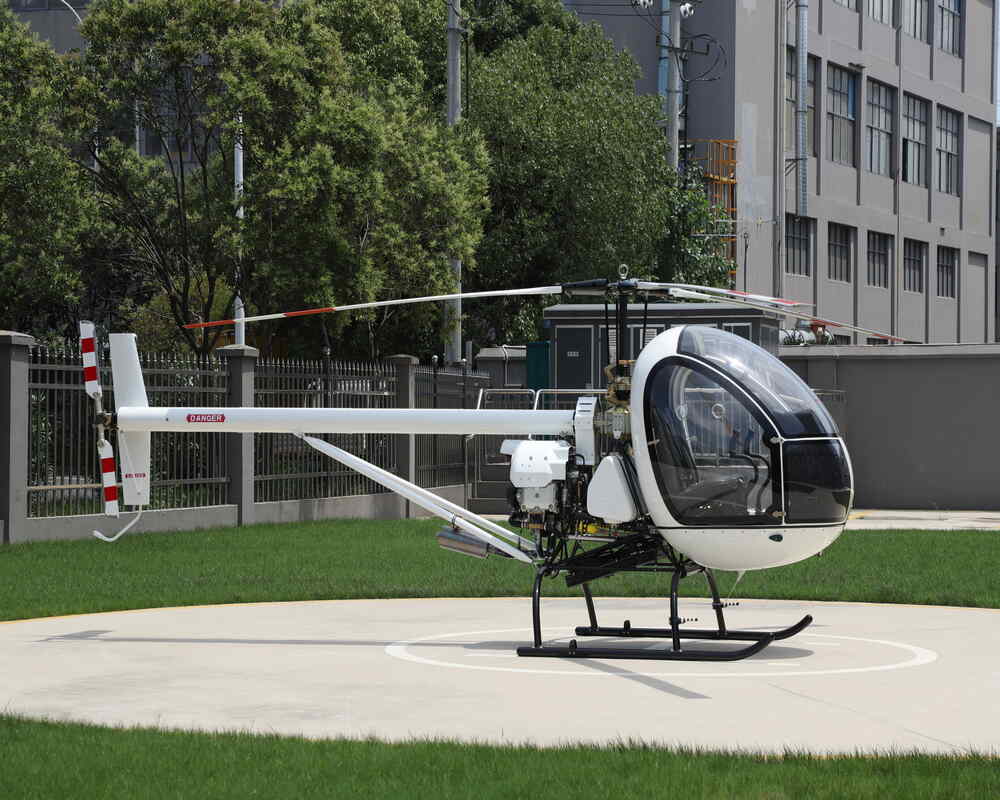
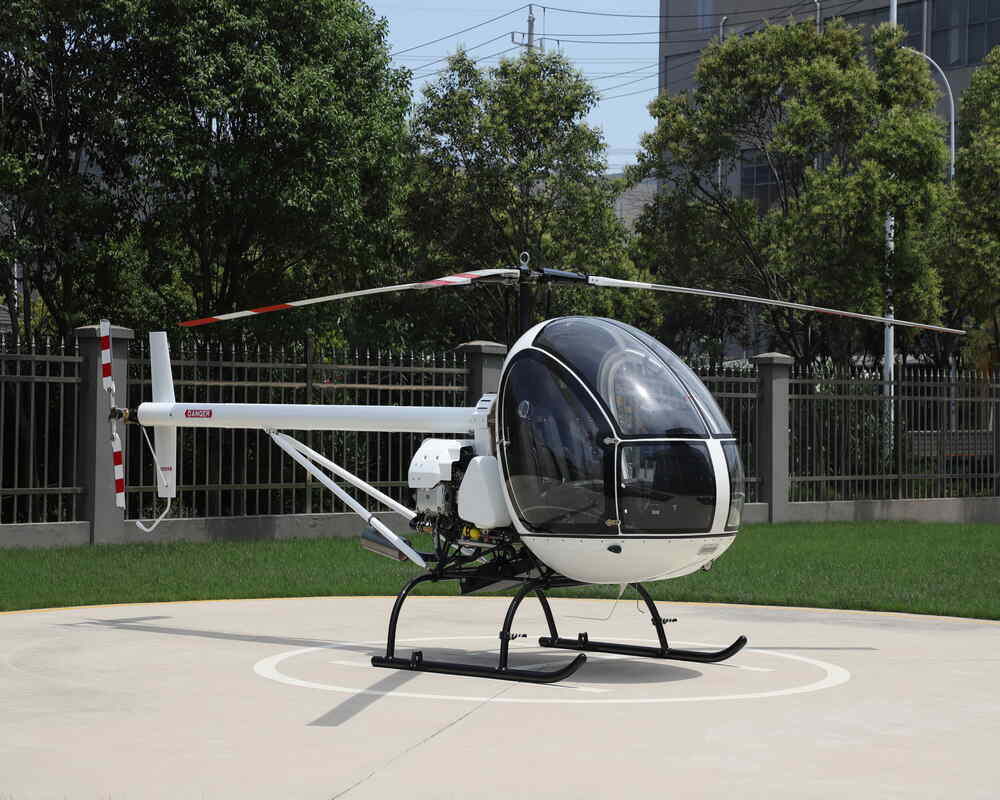
Description
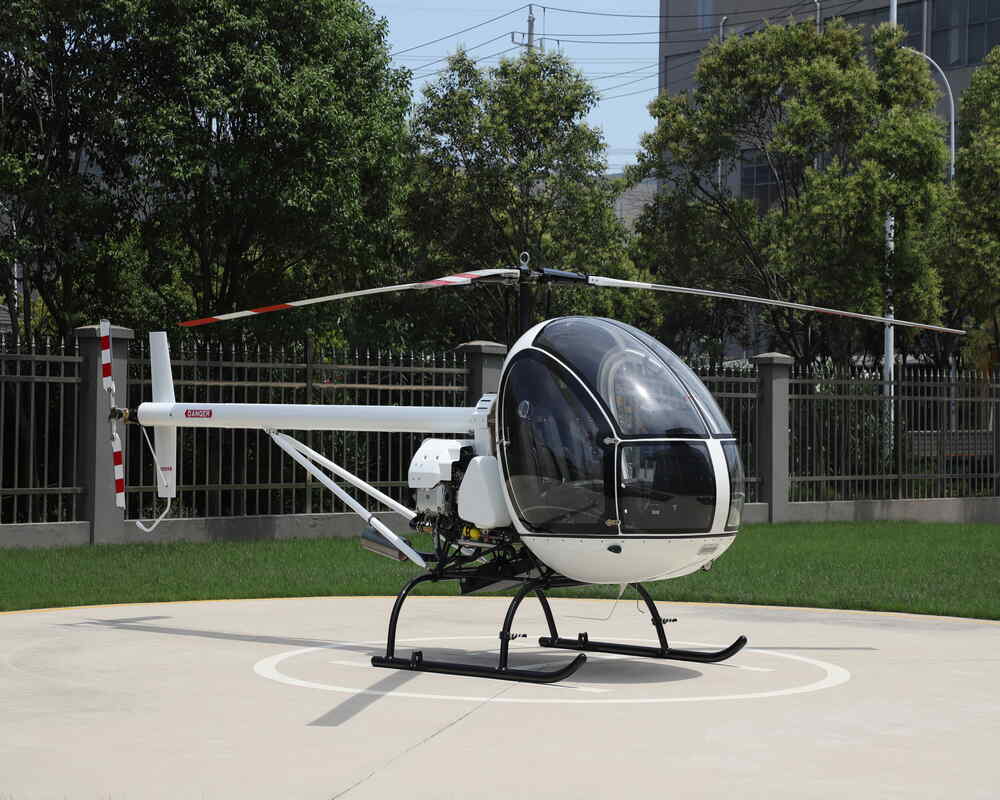
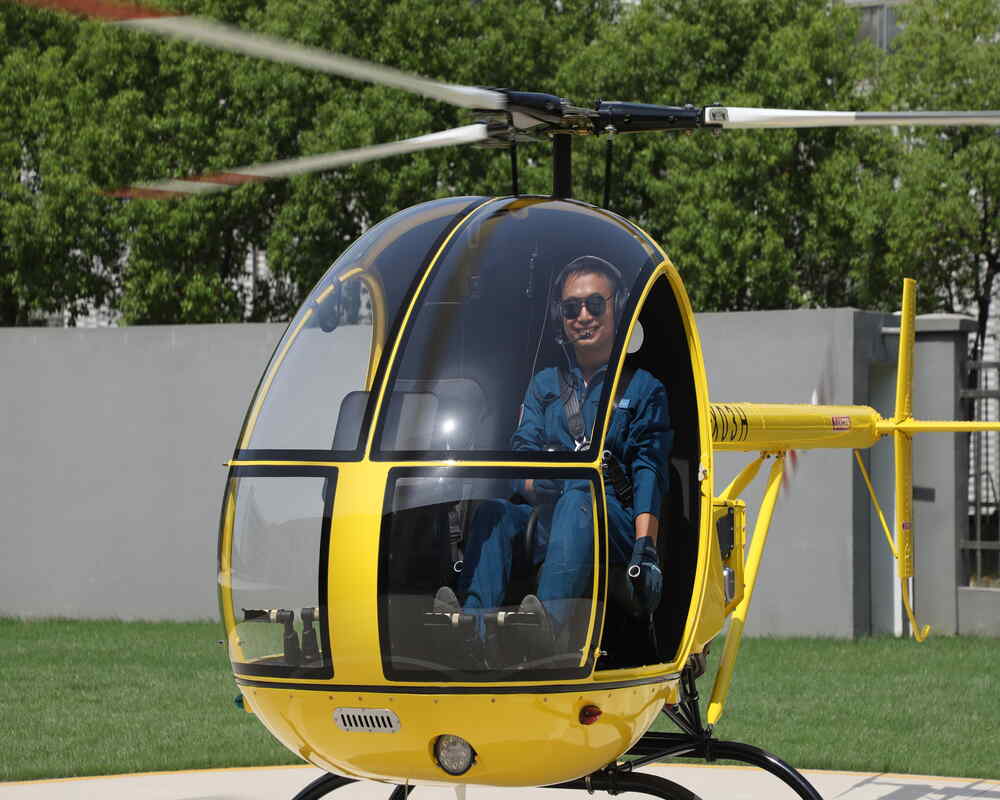
When it comes to helicopter safety, the ignition system is a make-or-break factor. Flyben helicopter with Dual Ignition and Subaru helicopter with Single Ignition
represent two distinct approaches to power and protection, each with
unique strengths and weaknesses. For pilots, builders, and operators,
choosing between them isn’t just a technical decision—it’s a choice that
impacts flight safety, reliability, and peace of mind. This guide
breaks down their safety profiles, advantages, and drawbacks, helping
you make an informed decision that aligns with your aviation goals.
Every
time you lift off, your helicopter’s ignition system is responsible for
powering the engine—and keeping you airborne. But here’s the critical
truth: a single point of failure in your ignition can lead to engine
shutdown, forced landings, or worse. For pilots flying over remote
areas, mountains, or water, the stakes are even higher—there’s no room
for error when an emergency strikes.
Consider
this: A 2020 study published in Sage Journals found that 17% of light
aircraft emergency landings stem from ignition system failures, with 90%
of those incidents involving single ignition setups like the Subaru helicopter with Single Ignition. In contrast, dual ignition systems—exemplified by the Flyben helicopter with Dual Ignition—reduce
ignition-related failure risks by 80%, according to a 2023 FAA report.
For experimental aircraft builders or recreational pilots, this gap in
safety isn’t just a statistic—it’s a difference that could save your
life.
The
debate between dual and single ignition isn’t about “better
performance” or “lower cost”—it’s about safety. And when it comes to
aviation, cutting corners on safety is never worth the risk. Let’s dive
into why Flyben helicopter with Dual Ignition stands out as the safer choice, and where the Subaru helicopter with Single Ignition falls short.

To
understand which ignition system is safer, we first need to break down
how each works, their design principles, and the critical role of
redundancy in aviation. Let’s start with the safer option: Flyben helicopter with Dual Ignition.
Flyben helicopter with Dual Ignition
is engineered with safety as a top priority, featuring two independent
ignition circuits and two spark plugs per cylinder. This “redundancy by
design” ensures that if one ignition system fails, the other immediately
takes over—keeping the engine running and the helicopter airborne.
Flyben’s
dual ignition system isn’t just a backup; it’s a performance enhancer.
Two spark plugs create twin flame fronts in the cylinder, leading to
faster, more uniform fuel combustion. This delivers three key benefits:
improved power output (5–8% more horsepower than single ignition),
better fuel efficiency (saving 5–10% on fuel costs), and smoother
operation (reducing engine vibration). For pilots, this translates to
more responsive handling, longer flight ranges, and a more comfortable
experience.
Compliance is another strength. Flyben helicopter with Dual Ignition
meets global aviation safety standards (FAA, EASA, CAAC), making it
suitable for experimental aircraft and even some certified operations.
Whether you’re flying for recreation, light utility tasks, or
educational purposes, Flyben’s dual ignition system provides the safety
net required for confident flight.
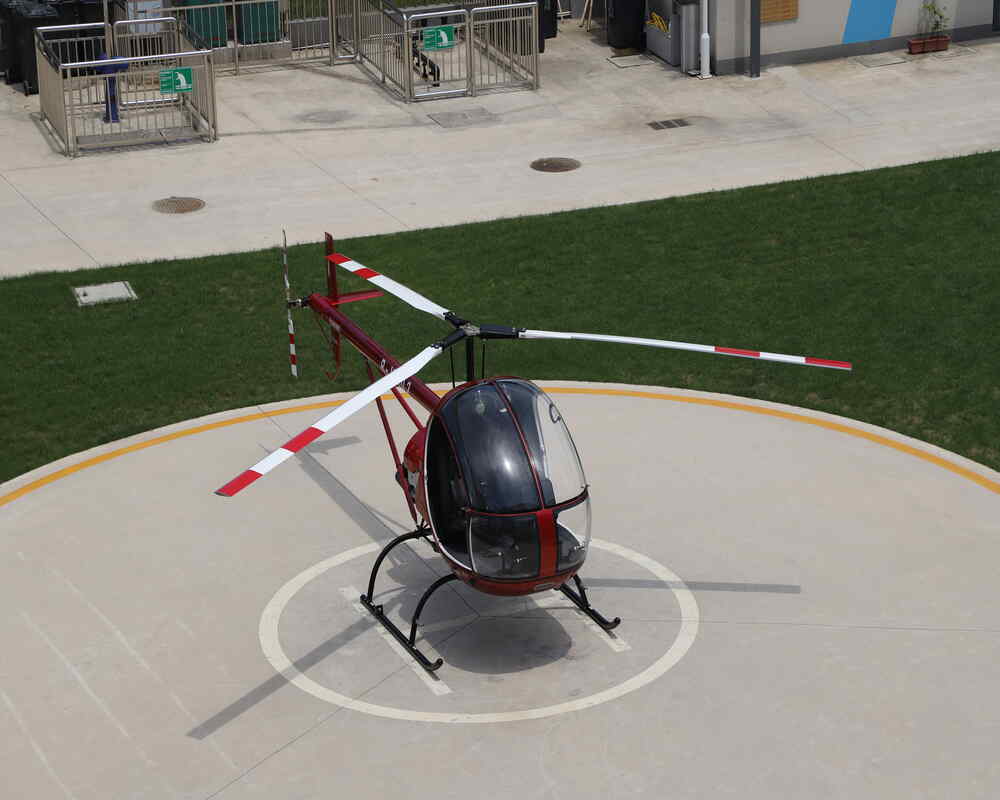
In contrast, the Subaru helicopter with Single Ignition
uses a simpler design: one spark plug per cylinder connected to a
single ignition circuit (either a magneto or electronic module). This
setup is common in low-power, recreational helicopters, where cost and
simplicity are prioritized over redundancy.
The appeal of the Subaru helicopter with Single Ignition
is straightforward: lower upfront costs (fewer components mean cheaper
manufacturing and purchase prices) and simpler maintenance (only one
spark plug and circuit to inspect). For pilots flying short,
low-altitude flights over open areas—where emergency landing options are
abundant—this simplicity may seem sufficient.
But simplicity comes at a steep cost. The Subaru helicopter with Single Ignition
has no backup if the spark plug fouls, the ignition coil fails, or the
magneto malfunctions. In a single-engine helicopter, this means
immediate power loss—often at the worst possible time, like during
takeoff, climb, or over areas with no safe landing zones. A 2025 report
from Doc88 found that single-ignition engines like Subaru’s have a
failure rate of 0.8 per 1,000 flight hours, compared to just 0.1 per
1,000 flight hours for dual-ignition systems like Flyben’s.
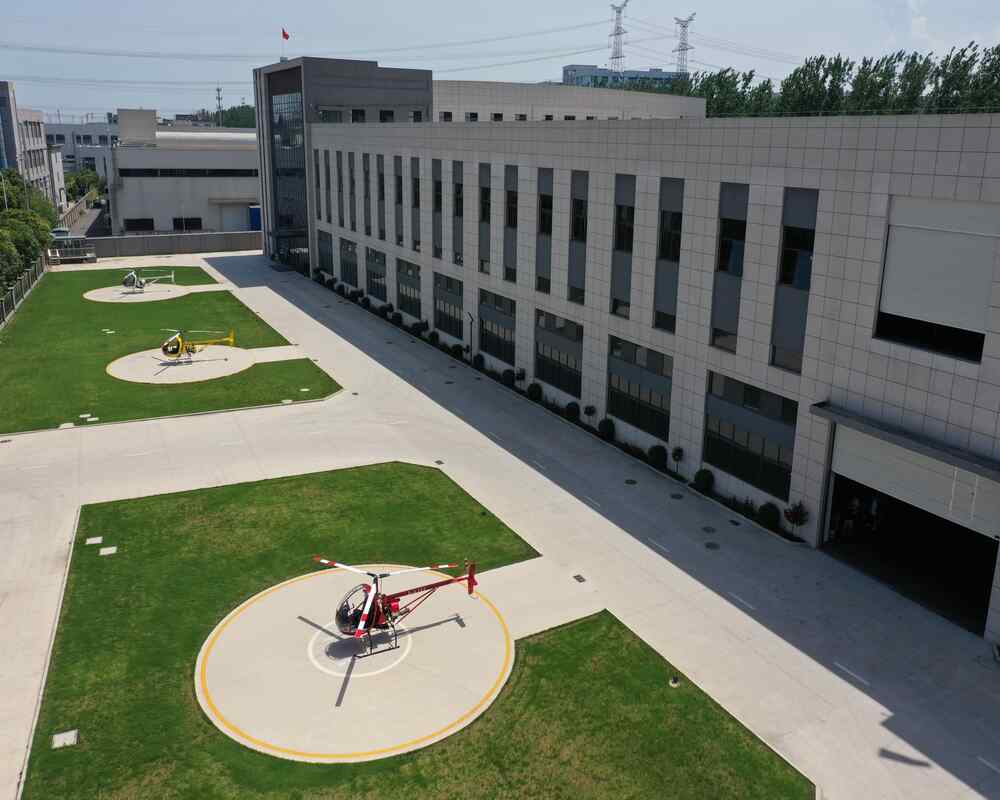
The core difference between Flyben helicopter with Dual Ignition and Subaru helicopter with Single Ignition boils down to redundancy—and it’s a gap that can’t be ignored:
Subaru Helicopter with Single Ignition Risks: A
single system failure can cause complete engine shutdown. For example, a
fouled spark plug or faulty magneto in the Subaru helicopter means the
cylinder can’t ignite, leading to immediate power loss. In a 4-cylinder
engine, this translates to a 25% reduction in power—enough to prevent a
safe climb or maintain altitude. For a pilot flying over a forest or
body of water, this could result in a catastrophic forced landing.
Flyben Helicopter with Dual Ignition Safety Nets:
If one ignition system fails, the other keeps the engine running. Tests
on similar dual-ignition engines (like the ASZ-62 IR-16 X radial engine)
showed that deactivating one spark plug only caused a 75-rpm drop and
minimal power loss—far from enough to compromise flight safety. This
redundancy gives pilots ample time to navigate to a safe landing site,
even if one system malfunctions mid-flight.
Dual ignition also mitigates common issues like fouled spark plugs. In the Subaru helicopter with Single Ignition, a fouled plug means a dead cylinder. In Flyben helicopter with Dual Ignition,
the second plug continues to ignite the fuel-air mixture, allowing the
pilot to land safely and address the issue on the ground.
Now that you understand the core differences, let’s explore why Flyben helicopter with Dual Ignition
is the preferred choice for safety-minded pilots, builders, and
operators. Whether you’re a recreational flyer, experimental builder, or
light utility operator, Flyben’s dual ignition system delivers benefits
that the Subaru helicopter with Single Ignition can’t match.
Recreational pilots fly for joy, but that joy shouldn’t come at the cost of safety. Flyben helicopter with Dual Ignition
gives you the confidence to explore further, fly higher, and venture
into more diverse terrain—knowing you have a backup system if something
goes wrong.
Unlike the Subaru helicopter with Single Ignition, which limits you to low-altitude, short-duration flights, Flyben helicopter with Dual Ignition
lets you fly over remote areas, mountains, or coastal regions with
peace of mind. Its improved fuel efficiency also extends your range,
allowing you to plan longer trips and explore more destinations.
The
smoother operation of Flyben’s dual ignition system also enhances the
flying experience. Reduced vibration means less fatigue during long
flights, and more responsive power delivery makes maneuvering
easier—whether you’re navigating tight spaces or performing gentle turns
for aerial photography.
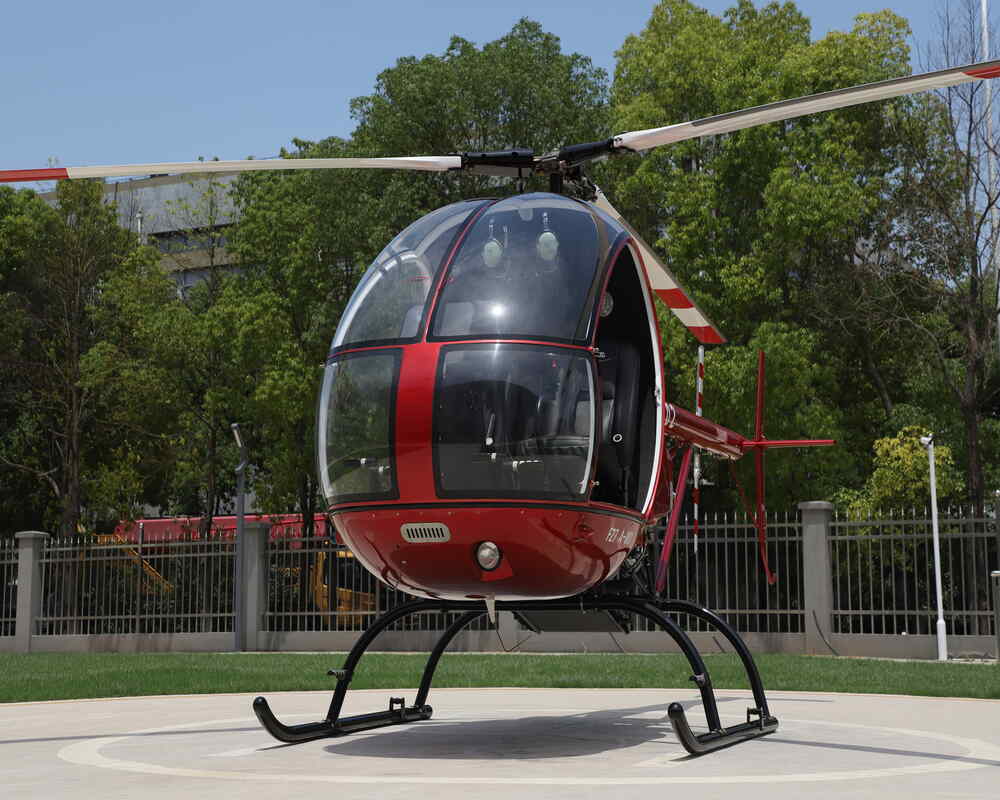
Experimental aircraft builders often face tradeoffs between cost, weight, and safety. But with Flyben helicopter with Dual Ignition,
you don’t have to sacrifice safety for affordability. Flyben’s kit
includes all components needed for dual ignition, with detailed
instructions that make assembly accessible to builders of all skill
levels.
In contrast, the Subaru helicopter with Single Ignition
may save you money upfront, but it puts your investment at risk. A
single ignition failure could damage your aircraft or end your flying
career—costs that far outweigh the initial savings. Flyben helicopter with Dual Ignition also makes your aircraft more marketable if you decide to sell it later, as safety is a top priority for most buyers.
If
you use your helicopter for light utility tasks—like farm inspections,
private property patrols, or small-scale aerial work—reliability is key. Flyben helicopter with Dual Ignition minimizes downtime, ensuring you can complete your tasks without unexpected delays.
The Subaru helicopter with Single Ignition
is prone to breakdowns, which can disrupt your workflow and cost you
money. Flyben’s dual ignition system, with its low failure rate, ensures
you can depend on your helicopter day in and day out. Its improved
power output also makes it more capable for utility tasks, whether
you’re carrying light loads or navigating challenging weather
conditions.
While Flyben helicopter with Dual Ignition is safer for most use cases, there are a few scenarios where the Subaru helicopter with Single Ignition might be a viable choice:
Low-Risk Recreational Flights: If you only fly over
open fields, at low altitudes (below 500 feet), and for short durations
(less than 30 minutes), the risk of ignition failure is minimized. The Subaru helicopter with Single Ignition can be a cost-effective option for casual flyers who prioritize simplicity over long-range safety.
Budget Constraints: For builders or pilots with extremely limited budgets, the lower upfront cost of the Subaru helicopter with Single Ignition may be appealing. However, it’s important to weigh this against the long-term risks and potential costs of a failure.
Ultralight Aircraft: The Subaru helicopter with Single Ignition
is often used in ultralight helicopters, which are designed for
low-speed, low-altitude flight. These aircraft are subject to different
regulations and are not intended for long-distance or high-stakes
flights.
Ready
to prioritize safety in your helicopter? Here’s how to take
action—whether you’re building a new aircraft, upgrading an existing
one, or choosing an engine for your next project.
If you fly over remote areas, at high altitudes, or for long durations: Choose Flyben helicopter with Dual Ignition—it’s the only option that provides the safety net you need.
If you only fly low-altitude, short-duration flights over open areas: The Subaru helicopter with Single Ignition may be sufficient, but weigh the risks carefully.
For experimental builds or light utility use: Flyben helicopter with Dual Ignition is the smarter long-term investment.
Flyben’s
kit includes everything you need to install a dual ignition system,
with components engineered to meet aviation’s strictest safety
standards. The kit is compatible with most experimental helicopters, and
Flyben’s customer support team is available to answer questions and
provide guidance during assembly.
Even the best ignition system requires proper maintenance to perform reliably. For Flyben helicopter with Dual Ignition, follow these best practices:
Inspect spark plugs every 50–100 flight hours for fouling, wear, or damage.
Service magnetos or electronic modules every 500 flight hours (or as recommended by Flyben).
Test both ignition systems during pre-flight checks to ensure they’re working independently.
For those using the Subaru helicopter with Single Ignition,
maintenance is even more critical. Inspect spark plugs and ignition
components before every flight, and avoid pushing the aircraft beyond
its limits.
No matter which ignition system you choose, proper training is essential. For Flyben helicopter with Dual Ignition,
learn how to recognize and respond to a single ignition failure—though
the backup system will keep you airborne, knowing how to adjust your
flight plan is key. For the Subaru helicopter with Single Ignition, undergo specialized training for forced landings and emergency procedures.
The choice between Flyben helicopter with Dual Ignition and Subaru helicopter with Single Ignition comes down to one simple question: How much do you value safety? For most pilots, builders, and operators, Flyben helicopter with Dual Ignition is the clear winner—it offers the redundancy, reliability, and performance needed for safe, confident flight.
While the Subaru helicopter with Single Ignition may be cheaper and simpler, its lack of redundancy makes it a high-risk choice for all but the most limited use cases. Flyben helicopter with Dual Ignition
delivers on safety without sacrificing affordability or performance,
making it the ideal choice for recreational pilots, experimental
builders, and light utility operators.
At
the end of the day, aviation is about freedom—the freedom to explore,
to create, to work, and to pursue your passion. But that freedom is only
possible when you prioritize safety. By choosing Flyben helicopter with Dual Ignition,
you’re not just investing in an ignition system—you’re investing in
your safety, your passengers’ safety, and the future of your aviation
endeavors.
Ready
to make the switch to safer flight? Contact Flyben today to learn more
about their dual ignition helicopter kits and take the first step toward
flying with confidence. The skies are waiting—and with Flyben helicopter with Dual Ignition, you’re ready to soar safely.