Description
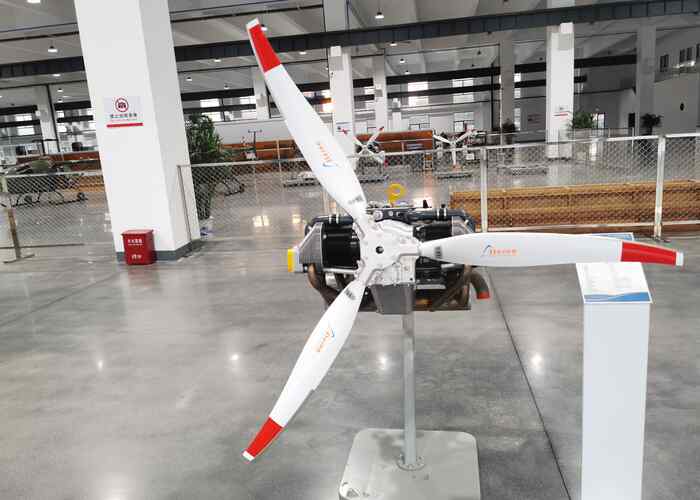
Here’s the full Flyben vs Lycoming mainstream aircraft piston engine comparison table and analysis keeping the structure and details intact for easy reference
Flyben vs Lycoming Mainstream Models – Specification & Value Comparison Table
| | | | |
|---|
| Jiangsu Flyben Engine Co., Ltd | Lycoming Engines (Textron) | | |
| 4-cylinder, horizontally opposed | 4-cylinder, horizontally opposed | 4-cylinder, horizontally opposed | 4-cylinder, horizontally opposed |
| | | | |
| | | | |
| Dual electronic spark ignition | | | |
| Electronic fuel injection + dual electronic fuel pumps | | | |
| | | | |
| | | | |
| | | | |
| | | | |
| | | | |
| | | | |
| | | | |
| 98# gasoline / 100LL AvGas | | | |
| | | | |
| | | | |
| Time Between Overhauls (TBO) | 2000 h (naturally aspirated)
1500 h (turbocharged) | | | |
| New Unit Price (Reference) | ≈ 15,000–18,000 (about 1/3 of similar imports) | | | |
| Currently for flight testing only;
FAA/EASA certification in progress | FAA/EASA fully certified, global use | | |
| Experimental aircraft, flight testing,
prototypes, light sport aircraft (pending certification) | Trainer aircraft, small GA aircraft,
light sport aircraft | Light sport aircraft,
general aviation | General aviation,
high-altitude/high-temperature needs |
| Low price, lightweight, compact,
dual ECU/dual ignition for safety | Proven reliability, extensive global support network | Higher power, mature platform | Fuel injection improves high-altitude performance |
| No commercial certification yet;
limited applications | | | Higher price, more complex maintenance |
Value Analysis
Price Advantage
The Flyben FB160T new unit price is only about 1/3
of similar-class Lycoming O-320/O-360 models, making it highly
attractive for budget-limited experimental, training, and prototyping
projects.
Flyben dry weight is just 81.2 kg, roughly 40–45 kg lighter than comparable Lycoming engines, helping preserve payload and maneuverability in light aircraft.
Flyben comes with dual electronic ignition, dual
ECU, electronic fuel injection, and optional turbocharging —
technologically competitive with imported models, even ahead in digital
control features.
Certification & Usage ScopeLycoming models are fully FAA/EASA certified for commercial operations worldwide; Flyben is currently approved only for flight testing and experimental use, pending certification for commercial use.
Lycoming has a well-established global parts and
service network; Flyben’s support is mainly in Asia at present, but
expected to expand with increased production.Selection Recommendations
Sufficient Budget & Need for Commercial Operation → Choose Lycoming (O-320 / O-360 / IO-360); mature, reliable, globally certified.
Limited Budget & Used for Experimentation/Testing/Light Sport Prototypes → Choose Flyben FB160T; excellent value, lightweight, advanced tech, but must confirm local regulations allow flight-test use.
High-Altitude or Hot Climate Operations → Lycoming IO-360 or Flyben turbo version offers more stable performance, though Flyben turbo has shorter TBO (1500 h).
Flyben Engine: The Game-Changing Choice for Affordable High-Performance
Aircraft Power—See How This Chinese Innovation Outshines the Lycoming
Engine in Weight, Price & Tech While Awaiting FAA Certification for
Broader Use
When it comes to aircraft piston engines, buyers often compare the established Lycoming engine brand with emerging manufacturers. One name rising fast in experimental and light sport aviation is Flyben engine, produced by Jiangsu Flyben Engine Co., Ltd. This article explores how the Flyben engine matches up against the legendary Lycoming engine,
examining specifications, technology, pricing, and real-world
suitability to help you choose the right powerplant for your project.
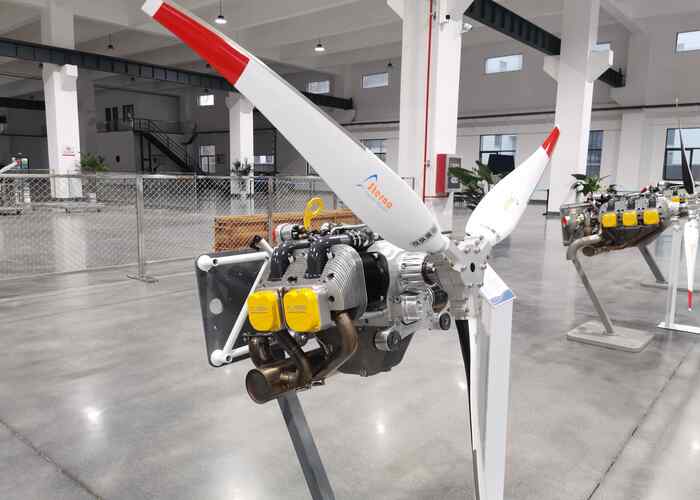
The Flyben engine brings a
fresh approach to general aviation propulsion. At its core is an
air-cooled, four-cylinder, horizontally opposed design with a
displacement of 3520 cc. It delivers up to 170 hp at 3300 rpm while
weighing just 81.2 kg dry—significantly lighter than most Lycoming engine
models of similar output. This lightweight advantage helps preserve
aircraft agility and payload capacity, especially in experimental builds
where every kilogram matters.Advanced engineering defines the Flyben engine.
It features dual electronic spark ignition and dual ECU systems,
ensuring that if one circuit fails, the backup maintains safe operation.
The optional turbocharging system boosts performance at altitude,
giving pilots stronger climb rates and better versatility in diverse
climates. In contrast, many Lycoming engine variants
rely on dual magneto ignition and carburetion in base models, although
later versions like the IO-360 add fuel injection for improved
high-altitude response. Cost is where the Flyben engine truly stands out. According to Flyben Aviation Engines: Core Advantages & Current Limitations, its price is only one-third of comparable foreign products. For budget-conscious builders, flight schools, and R&D teams, this makes the Flyben engine an exceptional value proposition. By comparison, popular Lycoming engine models such as the O-320 and O-360 typically range from 45,000to65,000 new, whereas the Flyben engine comes in at roughly 15,000–18,000, offering similar or better power-to-weight ratios at a fraction of the cost.However, there is a vital distinction in certification status. As noted in the same source, Flyben’s aviation engines lack full FAA or EASA certification at present. They are approved for flight testing purposes only, which restricts commercial or fully regulated aviation operations. This means the Flyben engine
is currently a top pick for experimental aircraft, prototypes, and
training flights rather than airline or charter use. Meanwhile, the Lycoming engine
lineup enjoys comprehensive FAA/EASA certification, supported by a
global service network and decades of field reliability. This makes Lycoming engines the go-to for pilots and operators needing certified powerplants for revenue-generating flights.Maintenance planning is another consideration.
Flyben provides clear, tiered overhaul intervals: 2000 flight hours for
naturally aspirated variants and 1500 hours for turbocharged versions.
These figures align with industry norms for experimental power units and
give operators predictable budgeting for upkeep. Lycoming engines
typically offer similar TBO figures (1800–2000 hours), but benefit from
a mature supply chain for parts and experienced service centers
worldwide. From a technical standpoint, both engine families have merits. The Lycoming engine
O-360 delivers 180 hp from a larger 5915 cc displacement and weighs
around 127 kg dry. Its proven architecture and widespread adoption make
it a safe, well-understood choice. The Flyben engine,
however, achieves comparable horsepower with a much smaller package and
lower mass, thanks to modern materials and efficient turbocharging. Its
integrated 30A alternator and electric start further simplify
installation compared with some legacy Lycoming engine setups that may require additional accessories.Fuel compatibility also differs slightly. The Flyben engine
runs on 98# automotive gasoline as well as 100LL AvGas, potentially
reducing operating costs in regions where auto gas is permitted for
aircraft. Most Lycoming engines are designed exclusively for 100LL AvGas, which can be more expensive and less available in some markets.When evaluating overall value, the Flyben engine
excels in scenarios where cost, weight, and compactness are priorities
and where certification is not an immediate requirement. For
experimental aircraft builders, flight test programs, and
emerging-market training fleets, the Flyben engine opens doors that were previously closed due to price barriers. On the other hand, the Lycoming engine
remains unmatched for commercial operations, international travel, and
applications demanding certified reliability backed by global support. Choosing between them depends on your mission
profile. If you need a proven, certified engine for passenger transport
or long-term commercial use, the Lycoming engine is
the safe, established choice. But if you are developing a new aircraft,
conducting flight research, or launching a low-cost training program,
the Flyben engine offers cutting-edge features and dramatic savings, allowing you to invest more in airframe quality or expand fleet size.Both the Flyben engine and the Lycoming engine
reflect different stages of aviation evolution. Lycoming continues to
refine a trusted formula honed over decades, while Flyben pushes
affordable innovation with modern electronics and lightweight design. As
Flyben progresses toward FAA certification, its competitive edge may
soon extend into broader markets, challenging the dominance of
traditional Western manufacturers. For now, experimental aircraft enthusiasts and cost-focused operators will find the Flyben engine a compelling alternative to the Lycoming engine,
delivering high performance, advanced safety through dual ECU/ignition
systems, and outstanding affordability. When certification arrives,
Flyben could reshape the entry-level aviation power landscape.If you’re looking for a reliable, lightweight,
and budget-friendly aircraft engine for testing or prototype projects,
consider the Flyben engine from Jiangsu Flyben Engine Co., Ltd. Compare its specs with the Lycoming engine
to see how much performance and savings you can unlock. Contact Flyben
today for detailed datasheets, overhaul guidelines, and updates on
certification progress, and take the first step toward integrating this
promising engine into your aviation ambitions.