Previous
Next
The Parameters of Flyben Engine Unveiling FB200 and FB200T by Changzhou Zhonglian Aviation Technolo
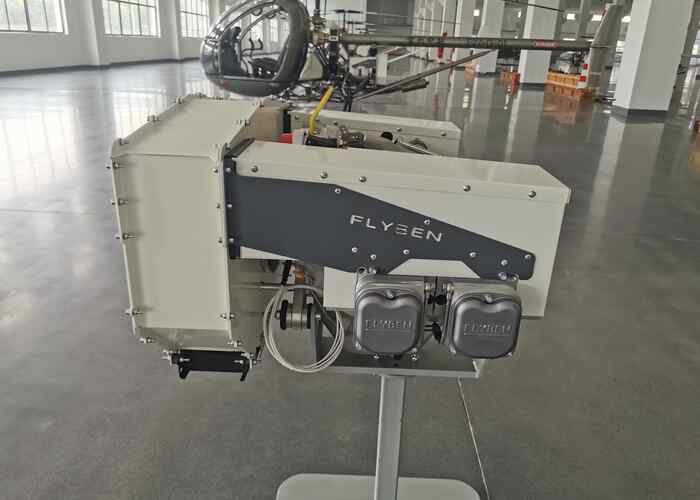
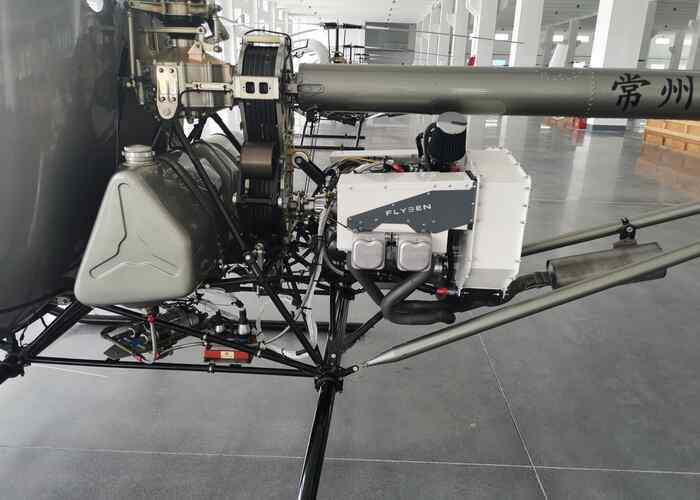
- At Changzhou Zhonglian Aviation Technology Co., Ltd, we take pride in our advanced Flyben engine series, which are engineered to meet diverse aviation needs. The parameters of Flyben engine, including both naturally aspirated and turbocharged variants across four - cylinder, six - cylinder, and eight - cylinder configurations, are key to understanding their exceptional performance. Today, we'll spotlight the FB200 (naturally aspirated) and FB200T (turbocharged) six - cylinder engines, while also touching on the broader range of Flyben engines.
Description
The Parameters of Flyben Engine: Unveiling FB200 and FB200T by Changzhou Zhonglian Aviation Technology Co., Ltd
At Changzhou Zhonglian Aviation Technology Co., Ltd, we take pride in our advanced Flyben engine series, which are engineered to meet diverse aviation needs. The parameters of Flyben engine, including both naturally aspirated and turbocharged variants across four - cylinder, six - cylinder, and eight - cylinder configurations, are key to understanding their exceptional performance. Today, we'll spotlight the FB200 (naturally aspirated) and FB200T (turbocharged) six - cylinder engines, while also touching on the broader range of Flyben engines.
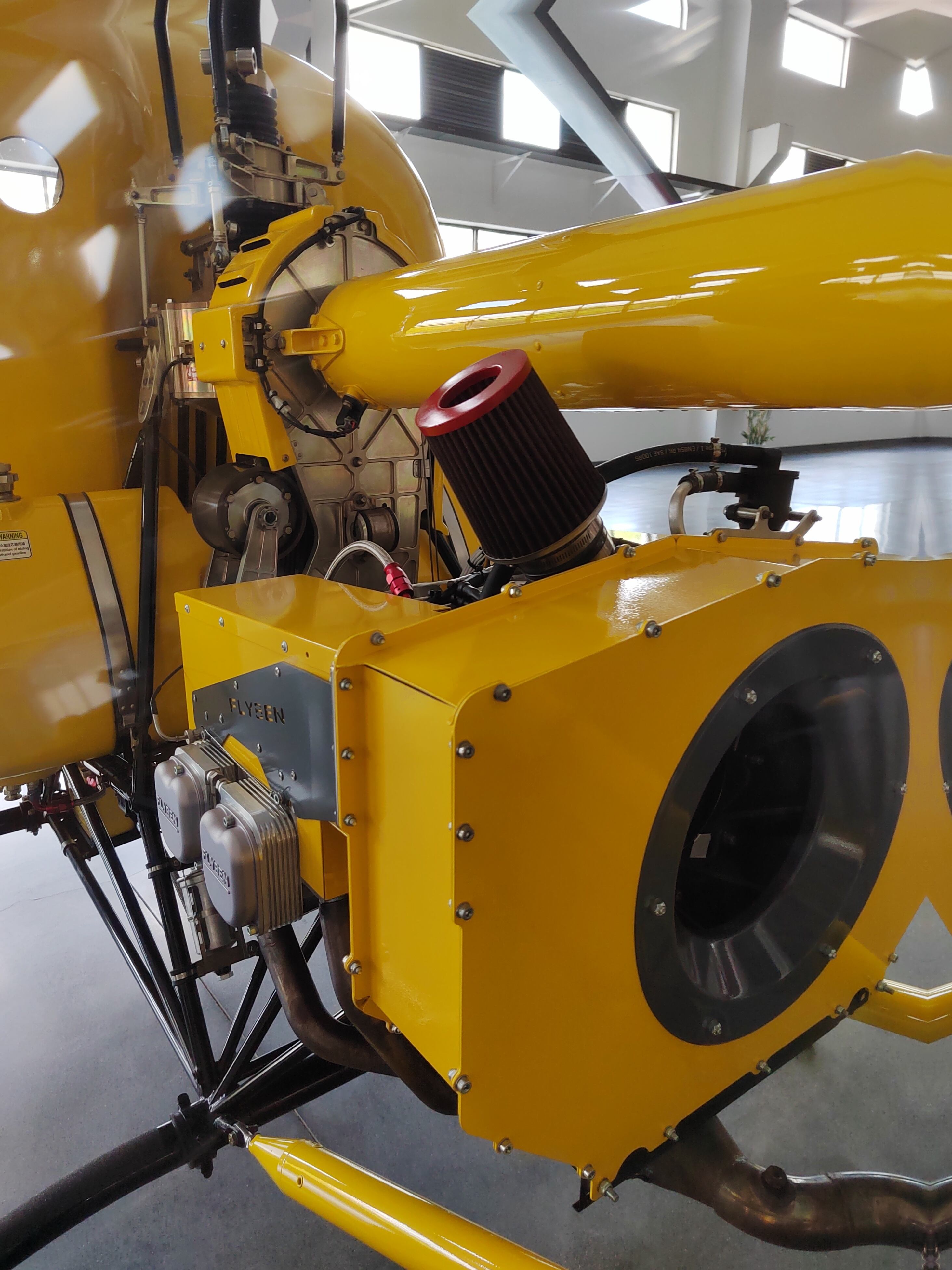
An Overview of Flyben Engine Series
Our Flyben engine lineup is designed with versatility in mind. We offer four - cylinder, six - cylinder, and eight - cylinder engines, each available in both naturally aspirated and turbocharged versions. This allows customers to choose the perfect powerplant based on their specific aviation requirements, whether it's for light aircraft, drones, or other applications. The parameters of Flyben engine play a crucial role in determining which variant suits a particular mission, from fuel efficiency for long - haul flights to high power output for demanding tasks.
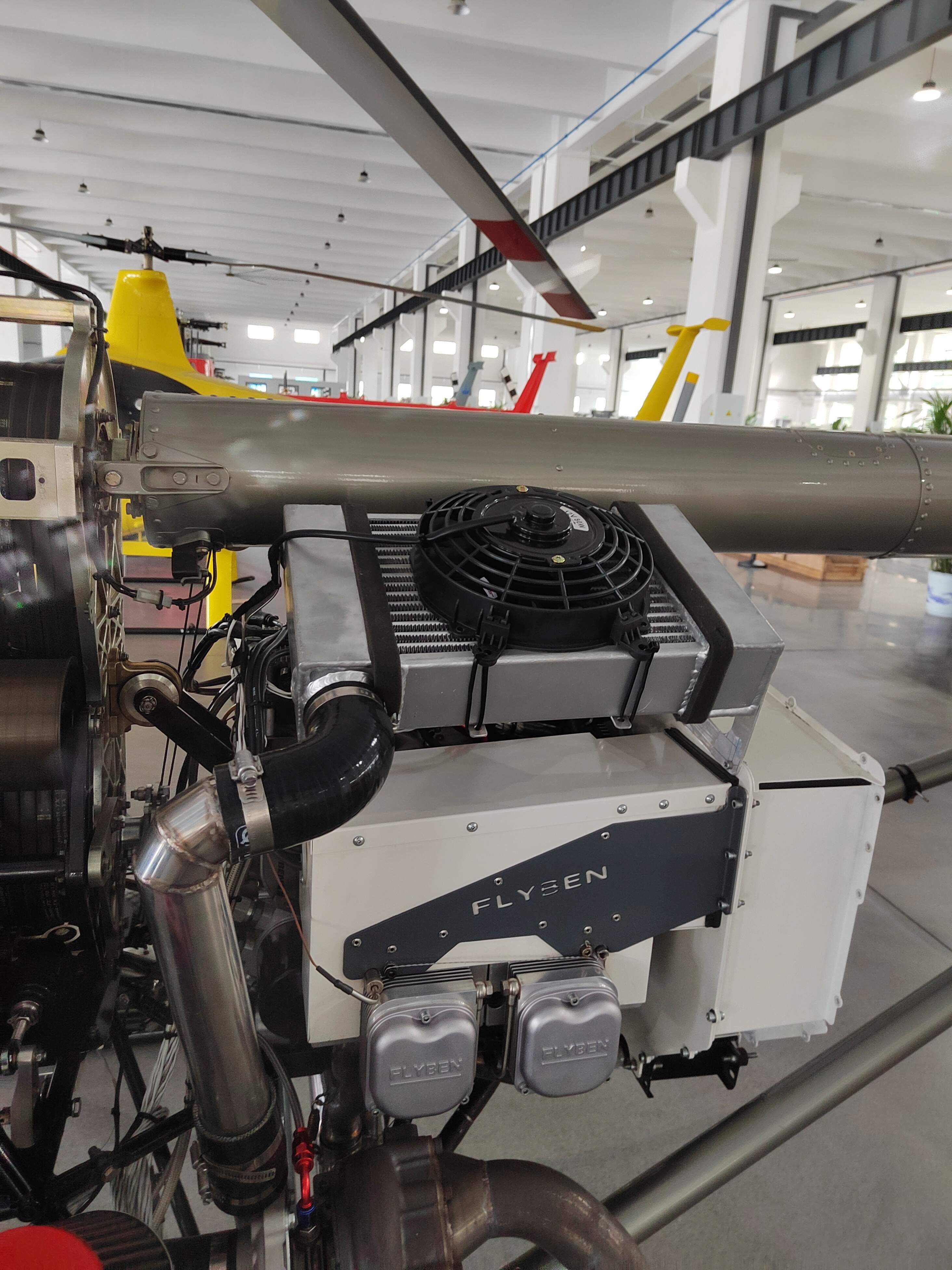
Diving into FB200 Engine Parameters (Naturally Aspirated Six - Cylinder)
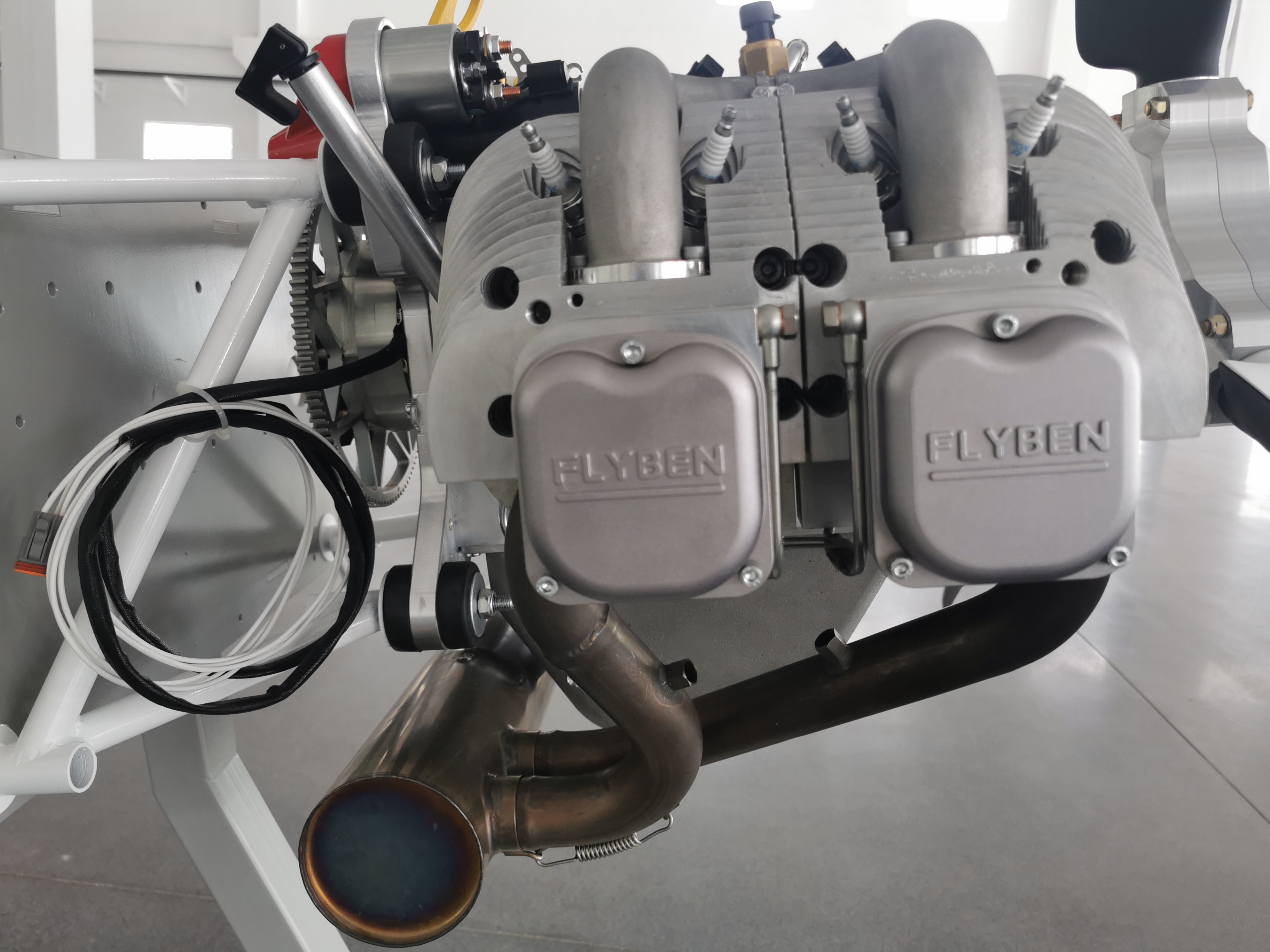
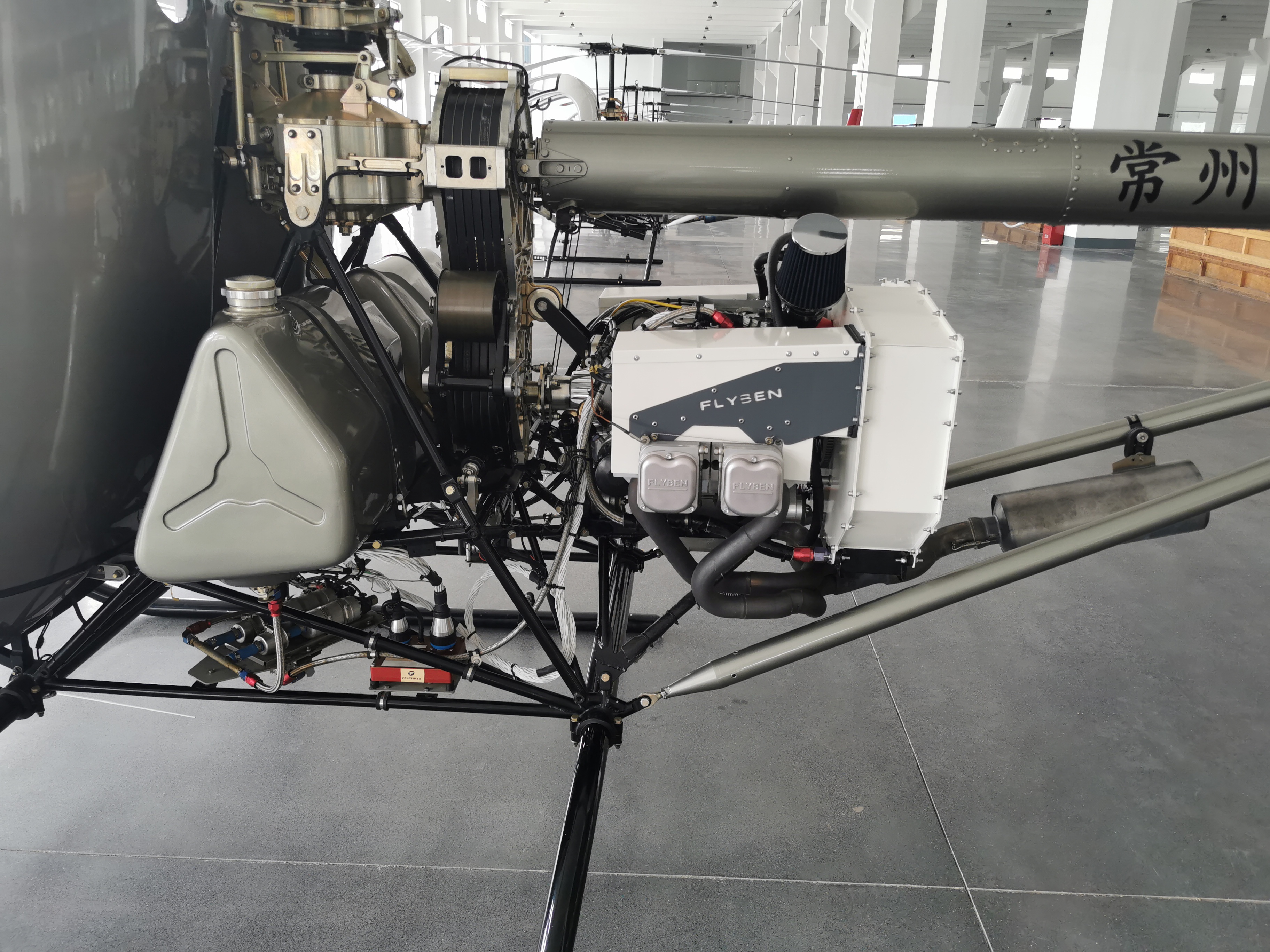
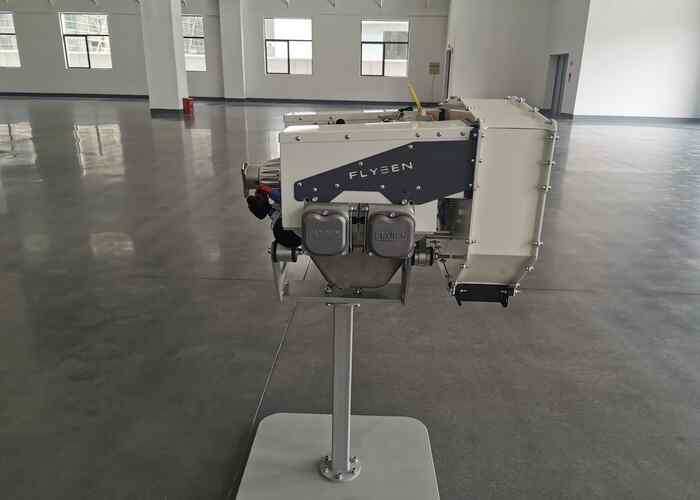
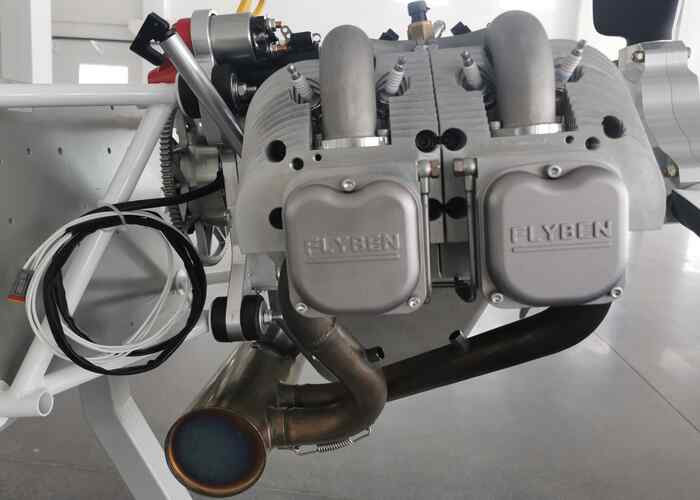
The FB200 is a horizontally opposed, air - cooled six - cylinder aviation engine with natural aspiration. Let's break down its key parameters:
Basic Specifications
· Engine Model: FB200
· Displacement: 5208cc, providing a good balance of power and fuel economy. The 105mm cylinder bore and 100mm stroke work together to achieve this displacement, contributing to the overall performance characteristics of the engine.
· Compression Ratio: 8.7:1. This ratio affects the engine's efficiency and power generation. A carefully tuned compression ratio ensures that the fuel - air mixture is ignited optimally, maximizing power while minimizing fuel consumption.
· Firing Order: 1 - 4 - 5 - 2 - 3 - 6. This sequence of cylinder firing is crucial for smooth engine operation, reducing vibrations and ensuring a consistent power delivery.
· Rotation Direction: Clockwise (viewed from the rear of the engine). This is an important consideration for integration with the aircraft's drivetrain and other components.
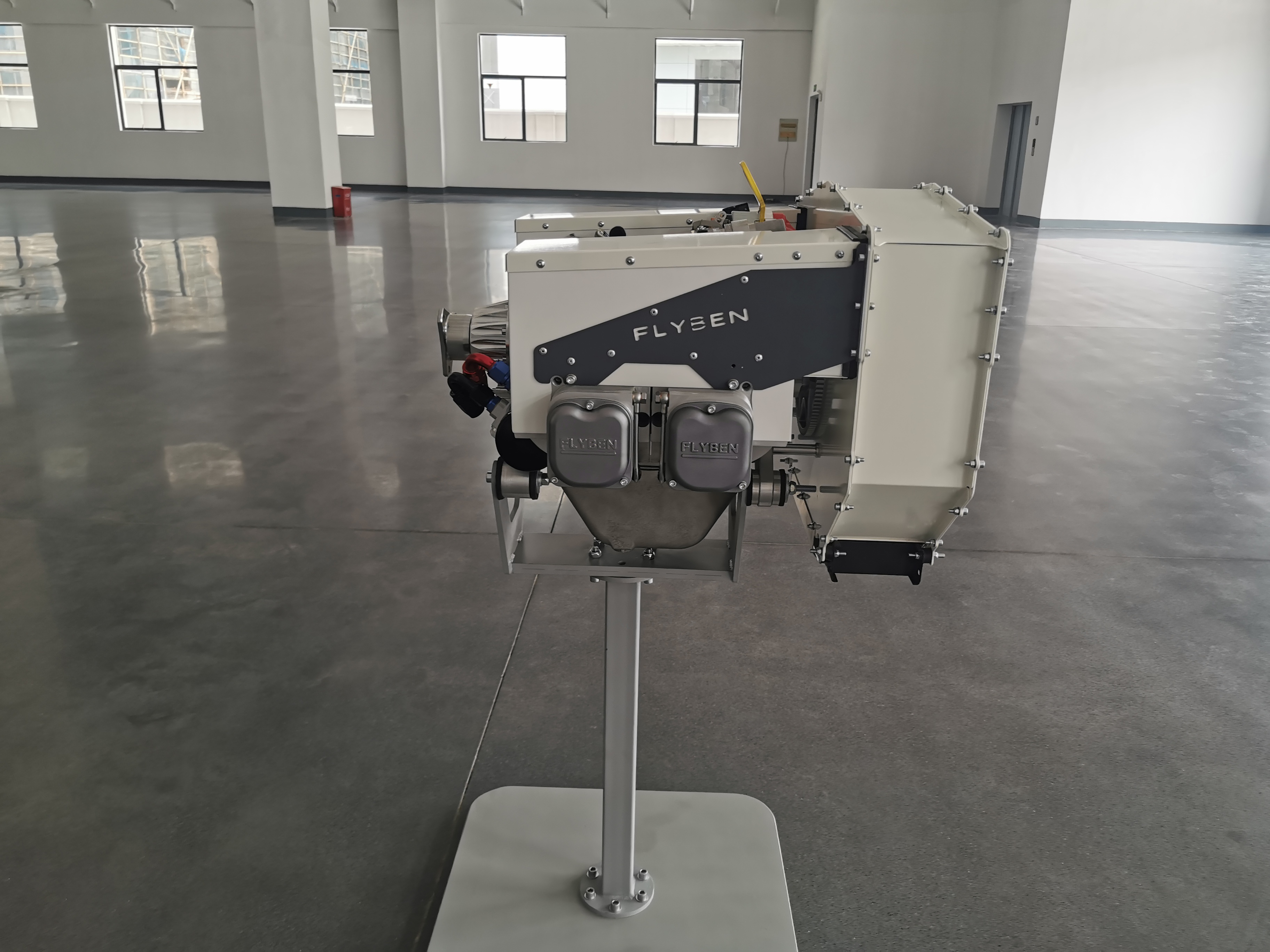
Performance Parameters
· Maximum Torque: 475Nm @ 2800RPM. Torque is what gets an aircraft moving and helps it maintain speed, especially during takeoff and climbing. The FB200's torque curve is designed to provide ample low - end torque for smooth acceleration.
· Maximum Power: 200hp @ 3200RPM / 185hp @ 2800RPM. This dual - power rating allows for flexibility in operation. Pilots can choose to operate at lower RPM for fuel savings during cruising or ramp up to higher RPM for maximum power when needed, such as during a steep climb or when carrying a heavy payload.
· DC Output: 50A. This electrical output is essential for powering the aircraft's electrical systems, including avionics, lights, and other accessories.
Physical and Weight Parameters
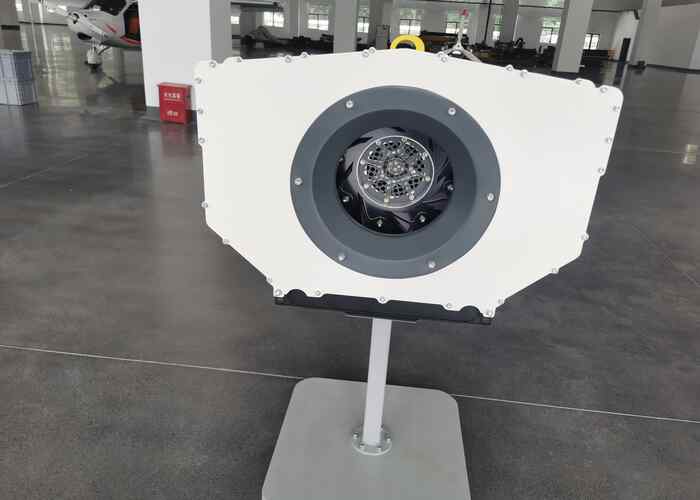
· Dimensions: The length X is 730mm / 895mm (with the forced air - cooling system), width Y is 739mm, and height Z is 530mm / 588mm (with the forced air - cooling system). These dimensions need to be considered when installing the engine in an aircraft to ensure proper fit and clearance.
· Weight: The engine dry weight is 93.9KG. When considering all components like the ignition coil and leads (4.7KG), electronic control unit and harness (3.9KG), and other accessories, the total weight is carefully managed. This helps in keeping the overall weight of the aircraft in check, which is crucial for performance and fuel efficiency. The full - operation weight is 117.5KG / 129.7KG (with the forced air - cooling system).
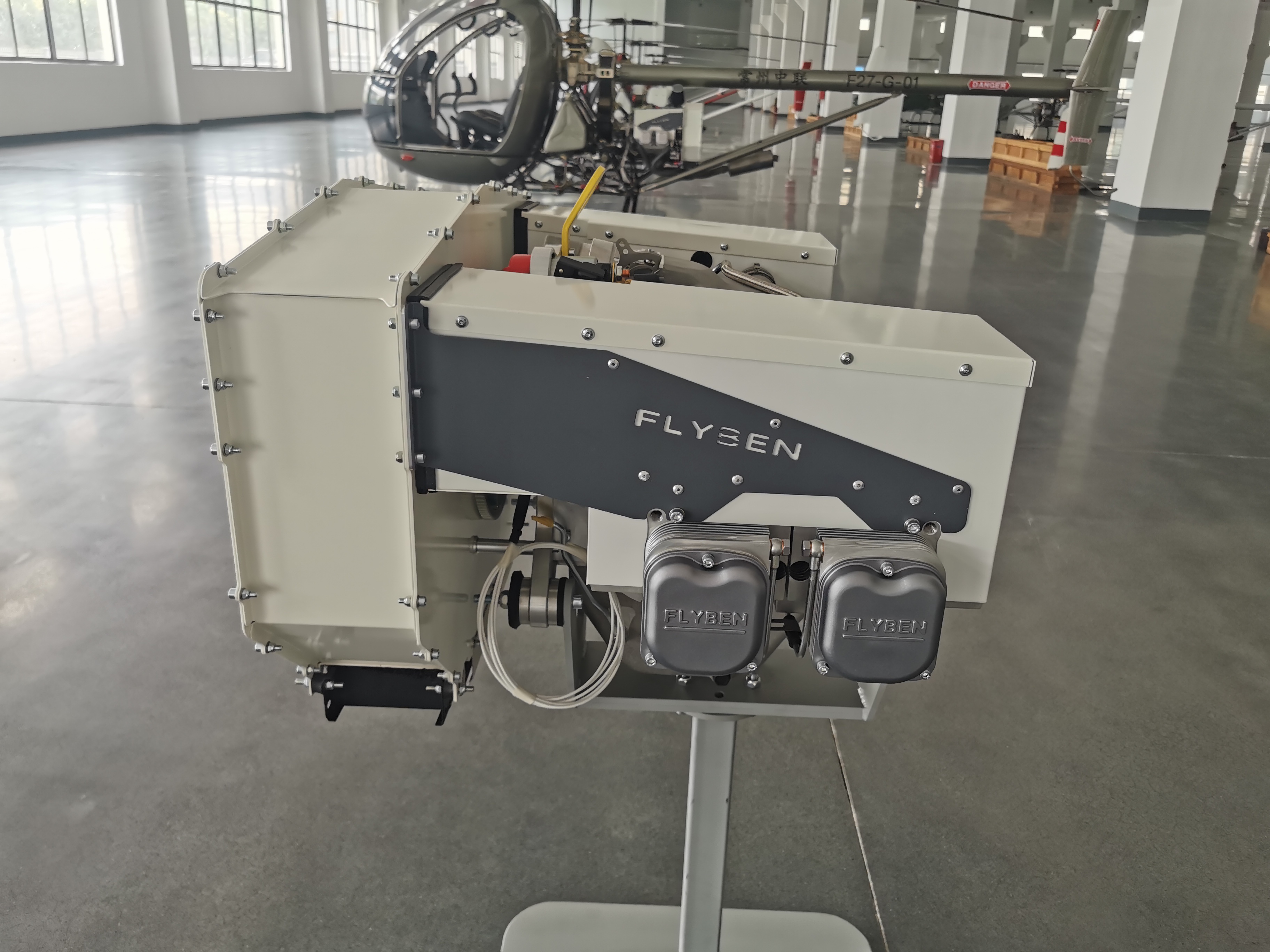
Fuel and Lubrication
· Oil Capacity: 4L (MIN: 3.5L - MAX: 4.5L). Using 15W50 oil, this capacity ensures proper lubrication of all engine components. The right oil level and type are vital for reducing friction, cooling the engine, and preventing wear and tear.
· Fuel: It can run on 98# vehicle gasoline, 100LL aviation gasoline, or UL91 (980TC = 90MON = 94AKI). This fuel flexibility is a major advantage, as it allows operators to use readily available fuels in different regions, reducing operational costs and logistical challenges.
Exploring FB200T Engine Parameters (Turbocharged Six - Cylinder)
The FB200T is the turbocharged version of our six - cylinder engine, designed for high - altitude operations where natural aspiration might be less effective. Here's a look at its parameters:
Key Upgrades for Turbocharging
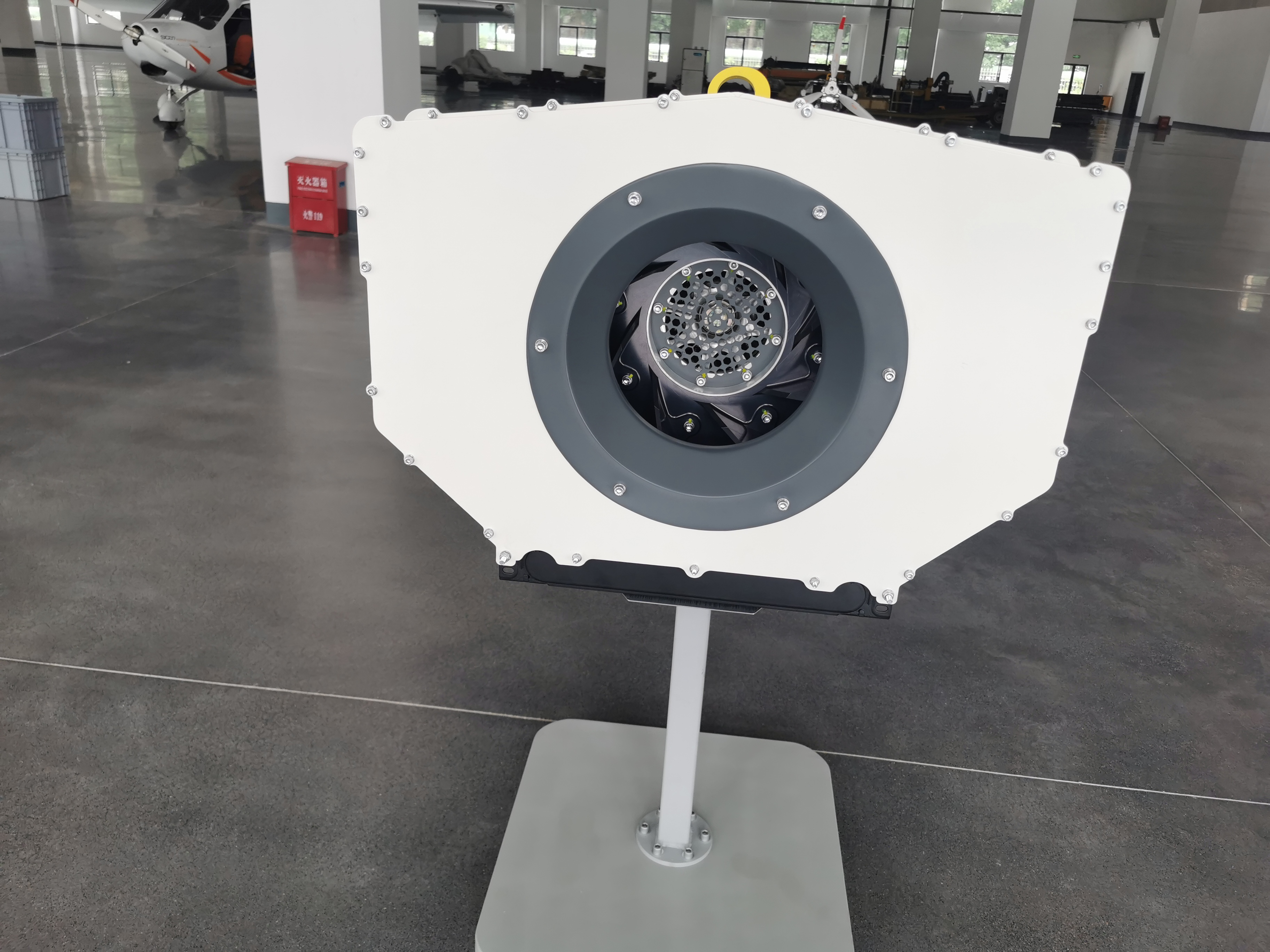
· Intake Type: Turbocharged, which is suitable for high - altitude areas. At higher altitudes, the air is thinner, and a turbocharger forces more air into the combustion chambers, ensuring that the engine can still generate sufficient power.
· Compression Ratio: 8:1. The lower compression ratio compared to the FB200 is to accommodate the increased air pressure from turbocharging, preventing engine knock and ensuring reliable operation.
Performance Enhancements
· Maximum Torque: 585Nm @ 2650RPM. The turbocharger significantly boosts torque, making it ideal for situations where more low - end power is required, such as takeoff from high - altitude airfields or when carrying heavy loads.
· Maximum Power: 220hp @ 3000RPM / 200hp @ 2650RPM. The turbocharged engine provides a power increase across the RPM range, allowing for better performance in challenging conditions. This extra power can translate to faster climb rates and higher cruise speeds.
Physical and Weight Changes
· Engine Dry Weight: 108.9KG (including the turbocharging system). The addition of the turbocharger adds some weight, but the performance benefits often outweigh this drawback, especially for applications where high - altitude performance is critical.
· Full - operation Weight: 132.5KG / 144.7KG (with the forced air - cooling system). The overall weight increase is managed to ensure that the aircraft's center of gravity and weight - related performance parameters are still within acceptable limits.
The Broader Significance of Flyben Engine Parameters
Across our entire Flyben engine series, the parameters of Flyben engine are what set our products apart. For the four - cylinder engines, whether naturally aspirated or turbocharged, parameters like fuel consumption, power output, and weight are tailored for applications where compact size and efficiency are key, such as in small drones or ultralight aircraft. Eight - cylinder Flyben engines, on the other hand, offer even higher power outputs, with their own set of parameters optimized for larger aircraft or those requiring heavy - lifting capabilities.
At Changzhou Zhonglian Aviation Technology Co., Ltd, we understand that choosing an engine is not just about picking a powerplant; it's about matching the parameters of Flyben engine to the specific needs of your aviation project. Whether you're building a new aircraft, upgrading an existing one, or developing a specialized aviation solution, our Flyben engines, with their diverse parameters, can be customized to fit.
We are committed to providing high - quality engines with transparent and well - defined parameters. The FB200 and FB200T are just two examples of how we leverage the parameters of Flyben engine to deliver reliable, high - performance aviation powerplants. As we continue to innovate and expand our Flyben engine series, we will keep focusing on optimizing these parameters to meet the ever - evolving needs of the aviation industry.
If you're interested in learning more about how the parameters of Flyben engine can benefit your next project, contact us at Changzhou Zhonglian Aviation Technology Co., Ltd. Our team of experts is ready to help you select the right Flyben engine variant, whether it's a four - cylinder, six - cylinder, or eight - cylinder, naturally aspirated or turbocharged, to ensure your aircraft performs at its best.