

Previous
Next
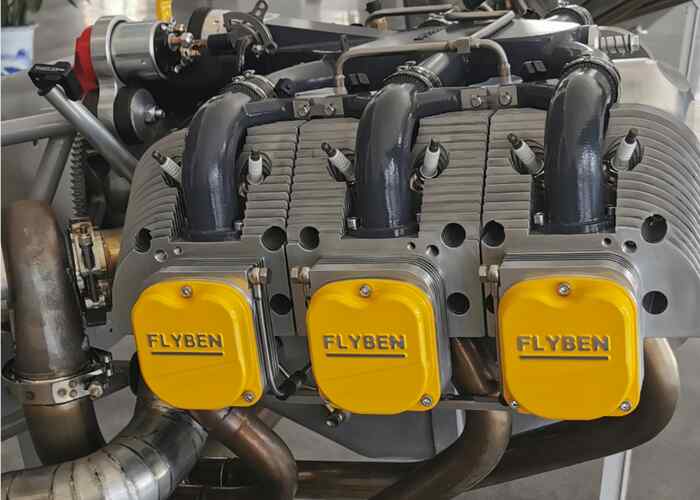
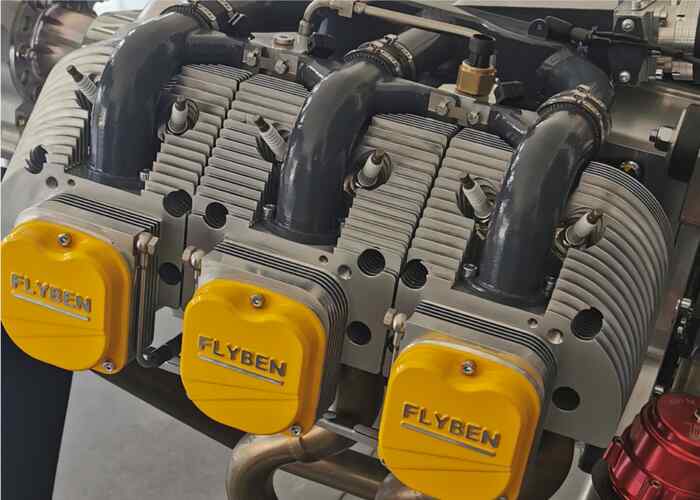
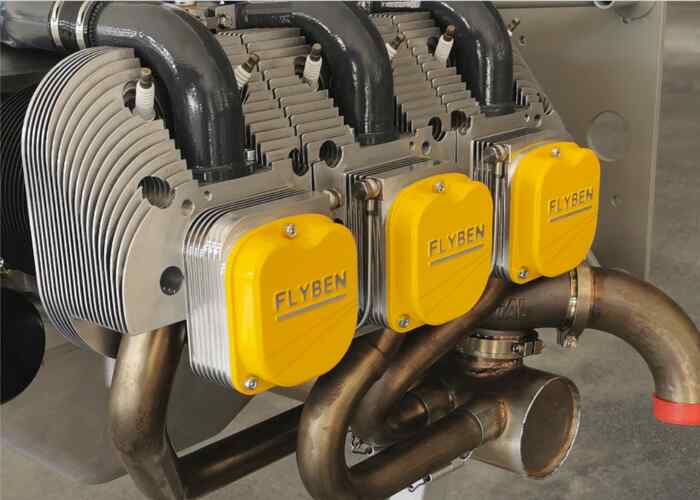
the parameters of Flyben's six cylinder FB200 aviation engine, covering intake, dimensions, power
- Unveiling the Parameters of Flyben's Six - Cylinder FB200 Engine: A Deep Dive into Aviation Powerhouse Specifications In the realm of aviation engine technology, the FB200 engine from Flyben stands as a remarkable example of engineering prowess. This article delves into the intricacies of the parameters of Flyben's six - cylinder FB200 engine, shedding light on its design, performance, and potential applications.
Description
FB200 Engine Performance Parameters
Parameter | Specification |
Engine Name | Horizontally Opposed Air - Cooled Six - Cylinder Aviation Engine |
Intake Type | Naturally Aspirated |
Engine Model | FB200 |
Length X | 730mm/895mm (with forced air - cooling system) |
Width Y | 739mm |
Height Z | 530mm/588mm (with forced air - cooling system) |
Displacement | 5208cc |
Bore | 105mm |
Stroke | 100mm |
Compression Ratio | 8.7: 1 |
Firing Order | 1 - 4 - 5 - 2 - 3 - 6 |
Rotation Direction | Clockwise (viewed from the rear of the engine) |
Maximum Torque | 475Nm@2800RPM |
Maximum Power | 200hp@3200RPM/185hp@2800RPM |
DC Output | 50A |
Engine Oil Capacity | 4L(MIN: 3.5L - MAX: 4.5L) |
Engine Oil Type | 15W50 |
Fuel | 98# Automotive Gasoline; |
Engine Dry Weight | 93.9KG |
Ignition Coil and Lead (Dual Ignition) | 4.7KG |
Electronic Control Unit and Harness (Dual ECU) | 3.9KG |
Exhaust, Spring and Seals | 4.9KG |
Electric Fuel Pump | 1.8KG |
Fuel Filter (Pre - filter and Fine Filter) | 0.5KG |
Engine Oil/Air Separator and Hose | 0.7KG |
Rectifier Regulator | 0.6KG |
Engine Vibration Isolation Rubber Mount | 0.9KG |
4L Engine Oil | 3.3KG |
Engine Oil Cooler and Piping | 2.3KG |
Forced Air - Cooling System | 12.2KG (Optional) |
Total Operating Weight | 117.5KG/129.7KG (with forced air - cooling system) |
Unveiling the Parameters of Flyben's Six - Cylinder FB200 Engine: A Deep Dive into Aviation Powerhouse Specifications
In the realm of aviation engine technology, the FB200 engine from Flyben stands as a remarkable example of engineering prowess. This article delves into the intricacies of the parameters of Flyben's six - cylinder FB200 engine, shedding light on its design, performance, and potential applications.
1. Introduction to the FB200 Engine
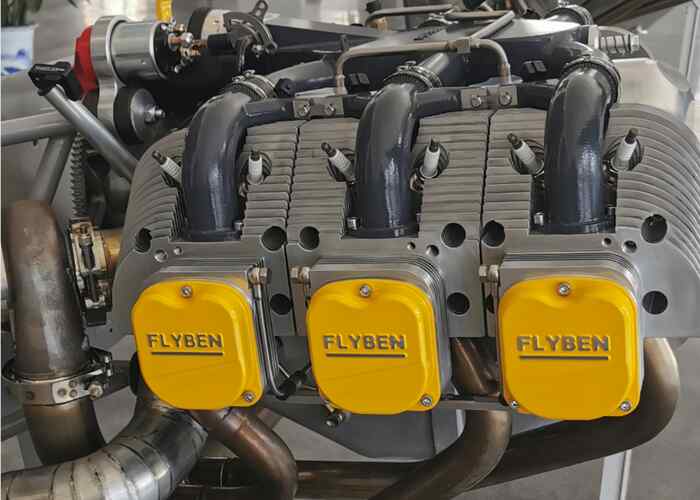
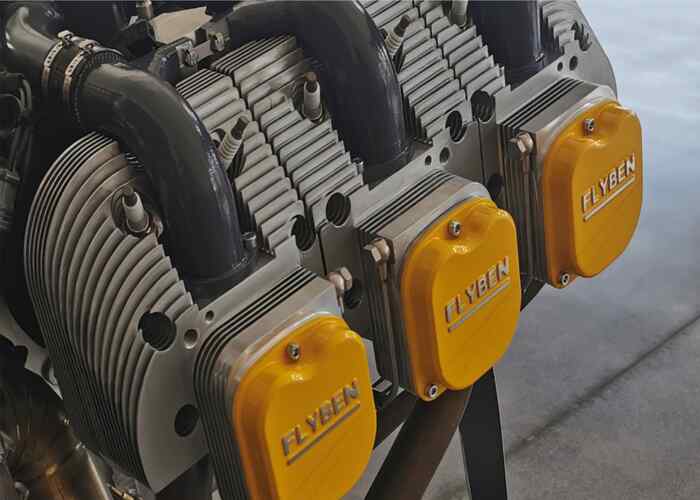
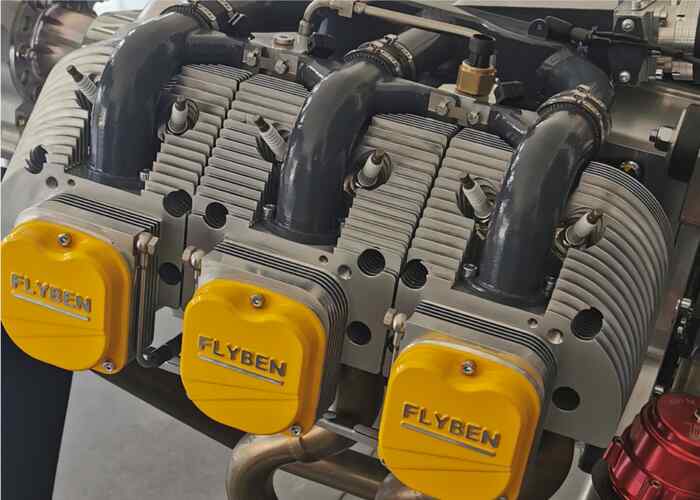
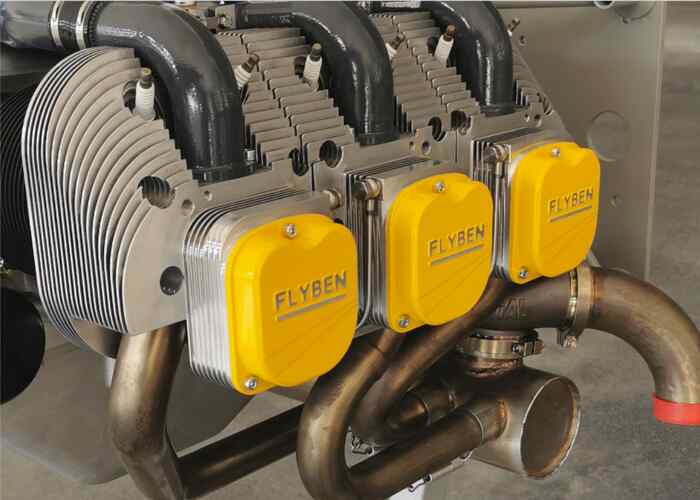
The FB200 is a horizontally opposed air - cooled six - cylinder aviation engine that has been making waves in the industry. Its design and specifications are tailored to meet the demanding requirements of aviation applications. As we explore the parameters of Flyben's six - cylinder FB200 engine, we begin to understand the thought and precision that have gone into its creation.
2. Basic Engine Identification
Engine Name and Type
The engine is aptly named the horizontally opposed air - cooled six - cylinder aviation engine. This configuration offers several advantages in terms of balance, cooling, and power delivery. The horizontal opposition of the cylinders helps in reducing vibrations, a crucial factor in aviation engines where smooth operation is paramount.
Intake Type
It features a naturally aspirated intake system. Unlike turbocharged or supercharged engines, a naturally aspirated engine relies on atmospheric pressure to draw in air for combustion. This simplicity in the intake system has its own set of benefits, including lower complexity and potentially lower maintenance requirements, while still providing sufficient power for its intended aviation uses.
Engine Model
The model number, FB200, is not just an identifier but represents a culmination of Flyben's efforts in six - cylinder engine design for aviation.
3. Dimensional Parameters
Length (X)
The length of the FB200 engine varies depending on the presence of the forced air - cooling system. Without the system, it measures 730mm, and with the forced air - cooling system installed, it extends to 895mm. This variation in length is an important consideration for aircraft manufacturers and designers, as it impacts the engine's fit within the aircraft's engine bay. The forced air - cooling system, when used, enhances the engine's cooling capacity, allowing it to operate more efficiently under different conditions, but at the cost of increased length.
Width (Y)
With a width of 739mm, the FB200 engine has a relatively compact footprint in terms of width. This dimension is crucial for ensuring that the engine can be integrated into a variety of aircraft designs without excessive modification to the airframe.
Height (Z)
Similar to the length, the height of the engine also changes with the forced air - cooling system. Without the system, the height is 530mm, and with it, it reaches 588mm. The height dimension, like the others, plays a vital role in determining the engine's compatibility with different aircraft models and their respective design constraints.
4. Displacement and Cylinder - related Parameters
Displacement
The engine has a displacement of 5208cc. Displacement is a key indicator of an engine's potential power output, as it represents the total volume of all the cylinders. In the case of the FB200, this displacement, combined with its six - cylinder design, contributes to its ability to generate sufficient power for aviation applications.
Bore and Stroke
The bore of the FB200 engine is 105mm, and the stroke is 100mm. The bore - stroke ratio has a significant impact on the engine's power characteristics. A larger bore can allow for larger valves, promoting better air and fuel intake, while the stroke length affects the engine's torque output. In the FB200, this specific combination of bore and stroke is optimized for its aviation role, balancing power and efficiency.
Compression Ratio
With a compression ratio of 8.7:1, the FB200 engine is designed to efficiently compress the air - fuel mixture within the cylinders. The compression ratio influences the engine's thermal efficiency, with a higher ratio generally leading to better efficiency, but also requiring higher - quality fuel to prevent knocking.
5. Firing Order and Rotation
Firing Order
The firing order of the FB200 engine is 1 - 4 - 5 - 2 - 3 - 6. This carefully designed firing order ensures smooth and balanced operation of the six - cylinder engine. By sequencing the ignition of the cylinders in this manner, the engine can minimize vibrations and maximize power delivery, which is crucial for maintaining stability during flight.
Rotation Direction
When viewed from the rear of the engine, the FB200 rotates clockwise. This rotation direction is an important factor when integrating the engine with other components such as the propeller and the aircraft's transmission system. It ensures proper meshing and operation of all related parts.
6. Power and Torque Parameters
Maximum Torque
The FB200 engine can generate a maximum torque of 475Nm at 2800RPM. Torque is the rotational force that the engine produces, and in aviation, it is essential for tasks such as takeoff and climbing. This level of torque, at this specific RPM, allows the engine to provide the necessary force to get an aircraft off the ground and maintain a steady climb.
Maximum Power
It has a maximum power output of 200hp at 3200RPM and 185hp at 2800RPM. Power output is a critical parameter for an aviation engine, as it determines the aircraft's speed and overall performance capabilities. The ability to produce different power levels at different RPMs allows the engine to be versatile in various flight phases, from takeoff (where higher power at lower RPMs might be beneficial) to cruising (where a balance of power and efficiency is required).
7. Electrical and Lubrication Parameters
DC Output
The engine provides a DC output of 50A. This electrical output is used to power various aircraft systems, such as avionics, lighting, and other electrical components. A stable and sufficient DC output is essential for the reliable operation of these systems during flight.
Engine Oil Capacity and Type
The engine oil capacity of the FB200 ranges from a minimum of 3.5L to a maximum of 4.5L, with a recommended capacity of 4L. The oil type used is 15W50. Engine oil plays a crucial role in lubricating the engine's moving parts, reducing friction, and dissipating heat. The specified oil type and capacity are chosen to ensure optimal lubrication and cooling under the engine's operating conditions.
8. Fuel - related Parameters
Fuel Types
The FB200 engine is compatible with multiple fuel types, including 98# automotive gasoline, 100LL aviation gasoline, and UL91 (with a specification of 980TC = 90MON = 94AKI). This flexibility in fuel choice is a significant advantage, as it allows the engine to be used in different regions and situations where fuel availability may vary.
9. Weight Parameters
Engine Dry Weight
The dry weight of the FB200 engine is 93.9KG. The dry weight, which excludes the weight of fuel and other fluids, is an important factor in aircraft design, as it contributes to the overall weight of the aircraft and affects its performance, including fuel efficiency and payload capacity.
Total Operating Weight
The total operating weight of the engine varies depending on the presence of the forced air - cooling system. Without the system, it is 117.5KG, and with the system, it is 129.7KG. This total operating weight includes all the necessary fluids and components required for the engine to function, and it is a key consideration for aircraft manufacturers when calculating the aircraft's overall weight and balance.
10. Additional Components and Their Weights
Ignition and Control Components
The ignition coil and lead (dual ignition) weigh 4.7KG, and the electronic control unit and harness (dual ECU) weigh 3.9KG. These components are essential for the proper ignition and control of the engine's combustion process. Their weights contribute to the overall weight of the engine system and need to be accounted for in aircraft design.
Other Components
Components such as the exhaust, spring and seals (4.9KG), electric fuel pump (1.8KG), fuel filter (0.5KG), engine oil/air separator and 软管 (0.7KG), rectifier regulator (0.6KG), engine vibration isolation rubber mount (0.9KG), 4L engine lubricating oil (3.3KG), engine oil cooler and piping (2.3KG), and forced air - cooling system (12.2KG, optional) all add to the overall weight and functionality of the engine. Each of these components has a specific role in ensuring the engine's proper operation, from fuel delivery to vibration reduction.
In conclusion, the parameters of Flyben's six - cylinder FB200 engine paint a picture of a well - engineered aviation powerplant. From its dimensional characteristics to its power output, fuel compatibility, and component weights, every aspect is designed to meet the unique demands of aviation. Whether it's for small aircraft used in training, recreation, or light commercial applications, the FB200 engine's parameters make it a viable and interesting option in the world of aviation engines. As we continue to explore and understand these parameters, we can better appreciate the role that engines like the FB200 play in powering the future of aviation.