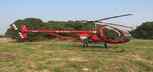
two-rotor helicopter kit | Safety Guidelines for Mini Flyben22: Affordable Two-Seat Helicopter for Recreational Flying & Experimental Airworthiness
Jiangsu Flyben Engine Co., Ltd. is a professional manufacturer of aviation products, with a focus on reliable and cost-effective two-rotor helicopter kit solutions. The Mini Flyben22 two-rotor helicopter kit is a popular model designed for recreational use, combining safety, affordability, and ease of operation. This FAQ providing authoritative, trustworthy safety guidelines tailored to this affordable two-seat helicopter, ideal as a helicopter for recreational flying and classified as an experimental airworthiness helicopter.
Below are answers to the most critical safety questions for owners and operators of the Mini Flyben22 two-rotor helicopter kit, covering pre-flight preparation, in-flight operations, maintenance, and emergency handling, with insights into the model’s unique safety features and cost advantages.
I. Pre-Flight Safety: Essential Checks for two-rotor helicopter kit
Q1: What pre-flight inspections are mandatory for the Mini Flyben22 two-rotor helicopter kit?
A: As an experimental airworthiness helicopter, the Mini Flyben22 two-rotor helicopter kit requires rigorous pre-flight inspections to ensure airworthiness. Start with the rotor system—the core of a two-rotor helicopter kit—check for cracks, deformation, or loose fasteners on both main rotors and the tail rotor. Ensure rotor blades are clean, free of debris, and properly balanced to avoid vibration during flight.
Next, inspect the engine (equipped with a dual ignition system) for oil and fuel levels, (pipeline tightness), and ignition circuit connections. Verify the fuel quality to prevent contamination, as impure fuel can cause engine malfunctions. For this affordable two-seat helicopter, also check the cabin components: seat belts, control sticks, and instrument panels to ensure all are functional.
Finally, examine the landing gear/slides for structural integrity, especially if operating from uneven terrain. A complete pre-flight checklist is provided with every two-rotor helicopter kit, and adhering to it is non-negotiable for safe operation as a helicopter for recreational flying.
Q2: How do weather conditions affect the Mini Flyben22 two-rotor helicopter kit, and what precautions should be taken?
A: As a helicopter for recreational flying, the Mini Flyben22 two-rotor helicopter kit is designed for mild weather conditions, and pilots must avoid adverse weather to ensure safety. Strong winds (exceeding 25 knots) pose a significant risk, as the lightweight design of this affordable two-seat helicopter makes it sensitive to crosswinds and turbulence.
Avoid flying in low visibility (below 3 miles)、 fog、 heavy rain, or thunderstorms—these conditions impair navigation and increase the risk of collision with obstacles. For an experimental airworthiness helicopter, it’s also critical to monitor temperature extremes: high temperatures can reduce engine performance, while low temperatures may affect fuel viscosity and rotor flexibility.
Always check local weather forecasts and real-time updates before takeoff. Plan a route with designated backup landing sites, and never hesitate to cancel a flight if weather conditions deteriorate unexpectedly—safety takes priority over any recreational flight plan.
Q3: What pilot qualifications are required to operate the Mini Flyben22 two-rotor helicopter kit?
A: The Mini Flyben22 two-rotor helicopter kit is classified as an experimental airworthiness helicopter, so pilots must hold a valid helicopter pilot license with the appropriate ratings. In most regions, this includes a private pilot license (PPL-H) or higher, with training specific to two-rotor helicopter operations.
Additionally, since it’s a helicopter for recreational flying, pilots should complete specialized training for kit helicopters, as assembly and operation nuances differ from factory-assembled aircraft. Jiangsu Flyben recommends completing a certified training program that covers the Mini Flyben22’s unique features, such as its dual ignition engine and autorotation capability.
Pilots must also be in good physical and mental condition—no fatigue, alcohol, or medication that impairs judgment. For this affordable two-seat helicopter, remember that carrying passengers requires additional training and compliance with local aviation regulations.
II. In-Flight Safety: Operating the Mini Flyben22 two-rotor helicopter kit
Q1: What are the key in-flight safety rules for the Mini Flyben22 two-rotor helicopter kit?
A: When operating the Mini Flyben22 two-rotor helicopter kit as a helicopter for recreational flying, follow these core rules: Maintain a safe altitude—at least 500 feet above ground level (AGL) in unpopulated areas and 1,000 feet AGL in populated areas—to allow time for emergency maneuvers.
Avoid overloading this affordable two-seat helicopter—strictly adhere to the maximum takeoff weight (MTOW) specified in the manual. Overloading reduces maneuverability, increases engine strain, and compromises safety. Keep the flight within the model’s performance limits, including maximum speed and climb rate, to prevent mechanical failure.
As an experimental airworthiness helicopter, avoid flying in controlled airspace without prior authorization from air traffic control (ATC). Maintain constant communication with local ATC or other pilots via radio, and always be aware of your surroundings to avoid collisions with other aircraft or obstacles.
Q2: How to handle dangerous flight conditions, such as vortex ring state, in the Mini Flyben22 two-rotor helicopter kit?
A: Vortex ring state (VRS)—a condition where the helicopter descends too quickly into its own rotor downwash—is a critical risk for any two-rotor helicopter kit. To prevent VRS in the Mini Flyben22 two-rotor helicopter kit, avoid steep descents (exceeding 500 feet per minute) at low airspeed.
If VRS is detected (symptoms include excessive vibration and loss of lift), immediately push the control stick forward to increase airspeed and reduce the rotor collective pitch. This breaks the rotor out of the downwash, restoring lift. Pilots of this helicopter for recreational flying should practice VRS recovery during training to master the maneuver.
Additionally, avoid low-altitude hovering for extended periods, as this increases the risk of VRS and obstacle collisions. For this affordable two-seat helicopter, maintaining a safe airspeed and altitude is key to avoiding dangerous in-flight conditions.
Q3: What safety features does the Mini Flyben22 two-rotor helicopter kit have to protect against in-flight failures?
A: Jiangsu Flyben engineers the Mini Flyben22 two-rotor helicopter kit with safety as a core priority, making it a reliable helicopter for recreational flying. Two standout safety features set it apart from other experimental airworthiness helicopter models:
First, every Mini Flyben22 is equipped with rotor autorotation landing capability. This critical feature is designed for power loss scenarios—when engine power is unexpectedly cut, the rotors continue spinning automatically due to aerodynamic forces, enabling a controlled descent. This skill is a mandatory part of helicopter pilot training, ensuring operators can execute safe landings confidently.
Second, the affordable two-seat helicopter is fitted with dual ignition engines, a game-changing advantage over single ignition systems. Unlike single ignition engines, which fail completely if their only circuit malfunctions, dual ignition systems have two independent backup circuits. If one system fails, the other takes over instantly, drastically reducing flameout risk and giving pilots ample time to land safely.
III. Maintenance Safety: Ensuring Long-Term Reliability of two-rotor helicopter kit
Q1: What is the maintenance schedule for the Mini Flyben22 two-rotor helicopter kit, and why is it critical?
A: As an experimental airworthiness helicopter, the Mini Flyben22 two-rotor helicopter kit requires regular maintenance to maintain airworthiness and safety. Follow the manufacturer’s schedule: routine inspections after every flight, comprehensive checks every 50 flight hours, and major overhauls every 500 flight hours.
A key advantage of the Mini Flyben22 two-rotor helicopter kit is its low maintenance cost, at around 100 USD per flight hour. In sharp contrast, the Robinson helicopter incurs a much higher maintenance expense of 300 USD per flight hour, making our model far more cost-effective for long-term operation as a helicopter for recreational flying.
Neglecting maintenance can lead to catastrophic failures, such as rotor or engine malfunctions. Even minor issues, like loose fasteners or oil leaks, can escalate into safety hazards. Regular maintenance ensures the affordable two-seat helicopter remains reliable and compliant with experimental airworthiness regulations.
Q2: How to source genuine parts for the Mini Flyben22 two-rotor helicopter kit when components need replacement?
A: When parts of your Mini Flyben22 two-rotor helicopter kit need replacement, always source genuine components directly from Jiangsu Flyben Engine Co., Ltd. This ensures compatibility, quality, and safety—critical for an experimental airworthiness helicopter.
Unlike third-party parts, which may not meet our strict standards, genuine Flyben parts are engineered specifically for the Mini Flyben22 affordable two-seat helicopter. When customers need replacement parts, they can order directly from us, and we ship immediately—this process is快捷又方便 (fast and convenient), minimizing downtime and ensuring your helicopter for recreational flying is back in operation quickly.
Using non-genuine parts voids any warranty and increases the risk of mechanical failure. For safety and long-term cost-effectiveness, always rely on Jiangsu Flyben’s direct parts supply service.
Q3: Can owners perform maintenance on the Mini Flyben22 two-rotor helicopter kit themselves, or is professional service required?
A: Basic maintenance tasks for the Mini Flyben22 two-rotor helicopter kit, such as pre-flight inspections, oil changes, and filter replacements, can be performed by owners who have completed our maintenance training. Jiangsu Flyben provides detailed manuals and video tutorials to guide owners through these tasks.
However, complex maintenance—including rotor balancing, engine overhauls, and electrical system repairs—requires professional service. As an experimental airworthiness helicopter, these tasks demand specialized tools and expertise to ensure compliance with safety standards. We recommend partnering with authorized Flyben service centers or trained technicians for complex work.
For this affordable two-seat helicopter, proper maintenance—whether DIY or professional—directly impacts safety. Always document all maintenance work in a logbook, as this is required for experimental airworthiness certification renewal.
IV. Emergency Handling: Safety Protocols for two-rotor helicopter kit
Q1: What should I do if the Mini Flyben22 two-rotor helicopter kit experiences engine failure mid-flight?
A: Engine failure is rare in the Mini Flyben22 two-rotor helicopter kit due to its dual ignition system, but pilots must be prepared. First, remain calm and activate the autorotation procedure—lower the rotor collective pitch to maintain rotor speed, and use the cyclic stick to control the descent path.
Identify a suitable landing site: flat, open terrain free of obstacles (trees, power lines, water). Avoid landing on soft ground or slopes, as this can cause the affordable two-seat helicopter to tip over. Communicate your emergency via radio to alert ATC or nearby pilots, if possible.
As a helicopter for recreational flying, practice autorotation landings regularly during training—muscle memory is critical in emergency situations. The Mini Flyben22’s autorotation capability provides a reliable safety net, but proper execution is key to a successful landing.
Q2: How to handle a fire or fuel leak in the Mini Flyben22 two-rotor helicopter kit?
A: Fuel leaks and fires are serious emergencies for any two-rotor helicopter kit. If a fuel leak is detected mid-flight, reduce speed and altitude immediately, and land at the nearest safe site. Avoid smoking or any open flames near the aircraft, and shut off the engine and fuel supply once on the ground.
In the event of an in-flight fire, activate the onboard fire extinguisher (if equipped) and execute an emergency landing as quickly as possible. After landing, evacuate the affordable two-seat helicopter immediately and move at least 100 feet away to avoid explosion risks.
As an experimental airworthiness helicopter, the Mini Flyben22 is designed with fire-resistant materials, but prevention is better than cure. Regular fuel system inspections during pre-flight checks and maintenance can detect potential leaks before they become emergencies.
Q3: What emergency equipment should be carried on the Mini Flyben22 two-rotor helicopter kit?
A: Every flight in the Mini Flyben22 two-rotor helicopter kit—as a helicopter for recreational flying—must include essential emergency equipment. This includes a fire extinguisher (rated for aviation use), a first aid kit, signal flares or a distress beacon (for remote area flights), and a life jacket (if flying over water).
Additionally, carry a copy of the aircraft’s registration, experimental airworthiness certificate, and maintenance logbook. A portable radio (as backup to the onboard system) ensures you can communicate in case of electrical failure. For this affordable two-seat helicopter, storing emergency equipment within easy reach of both pilot and passenger is critical.
Pilots should familiarize themselves with the location and use of all emergency equipment before every flight. Regularly check that equipment is functional—expired flares or empty fire extinguishers are useless in an emergency.
V. Regulatory Compliance: Safety for Experimental Airworthiness Helicopter
Q1: What regulatory requirements apply to the Mini Flyben22 two-rotor helicopter kit as an experimental airworthiness helicopter?
A: As an experimental airworthiness helicopter, the Mini Flyben22 two-rotor helicopter kit is subject to regional aviation regulations. In the U.S., this includes compliance with FAA Part 21 (Experimental Aircraft Certification) and Part 91 (General Operating and Flight Rules).
Key requirements include: maintaining a valid experimental airworthiness certificate, keeping detailed maintenance and flight logs, and limiting flight to recreational or educational purposes (no commercial operations unless authorized). Pilots must also comply with airspace restrictions and altitude limits specific to experimental aircraft.
In Europe, the affordable two-seat helicopter must comply with EASA regulations for experimental aircraft, including annual airworthiness reviews. Jiangsu Flyben provides documentation to support compliance, but it’s the owner’s responsibility to understand and adhere to local rules—non-compliance can result in fines or revocation of flying privileges.
Q2: Can the Mini Flyben22 two-rotor helicopter kit be modified, and what safety considerations apply to modifications?
A: Modifications to the Mini Flyben22 two-rotor helicopter kit are permitted only if approved by Jiangsu Flyben Engine Co., Ltd. and local aviation authorities. As an experimental airworthiness helicopter, unapproved modifications—such as altering the rotor system, engine, or airframe—can compromise safety and void certification.
Common modifications, such as adding avionics or cargo racks, must be evaluated for compatibility with the helicopter for recreational flying’s performance limits. Jiangsu Flyben’s engineering team can advise on safe modifications and provide approval for changes that meet our safety standards.
Always document all modifications in the aircraft’s logbook and notify authorities of changes to maintain compliance. Unapproved modifications increase the risk of mechanical failure and may invalidate insurance coverage for the affordable two-seat helicopter.
VI. Additional Safety Tips for two-rotor helicopter kit Owners
Q1: How to ensure passenger safety when flying the Mini Flyben22 two-rotor helicopter kit?
A: As an affordable two-seat helicopter designed for recreational use, passenger safety is paramount. Before takeoff, brief passengers on safety protocols: how to fasten seat belts, where emergency equipment is located, and how to behave during flight (no leaning out or touching controls).
Ensure passengers wear appropriate attire—closed-toe shoes, non-loose clothing—to avoid entanglement with controls or rotor systems. Limit passengers to one (the model’s capacity) and ensure total weight (passengers + cargo) does not exceed MTOW. For first-time passengers, explain what to expect during flight (vibration, noise) to reduce anxiety and prevent sudden movements.
As the pilot, prioritize passenger comfort and safety—avoid aggressive maneuvers and maintain a smooth flight. Remember, the Mini Flyben22 two-rotor helicopter kit is a helicopter for recreational flying, and a safe, enjoyable experience keeps passengers and pilots protected.
Q2: What insurance coverage is recommended for the Mini Flyben22 two-rotor helicopter kit?
A: While insurance requirements vary by region, all owners of the Mini Flyben22 two-rotor helicopter kit should carry comprehensive aviation insurance. This includes liability coverage (for injury or property damage to third parties) and hull coverage (for damage to the aircraft itself).
As an experimental airworthiness helicopter, specialized aviation insurance is required—standard auto or property insurance does not cover helicopter operations. Many insurers offer policies tailored to helicopter for recreational flying, with rates reflecting the Mini Flyben22’s low maintenance cost and safety features.
Ensure the policy covers both flight and ground operations, including maintenance-related damage. Keep insurance documents on board the affordable two-seat helicopter at all times, and notify the insurer of any modifications or changes to usage.
Q3: How to stay updated on safety recalls or updates for the Mini Flyben22 two-rotor helicopter kit?
A: Jiangsu Flyben Engine Co., Ltd. provides regular safety updates and recalls for the Mini Flyben22 two-rotor helicopter kit to all registered owners. Owners should ensure their contact information (email, phone) is up to date to receive these notifications promptly.
Additionally, join online communities for experimental airworthiness helicopter owners and helicopter for recreational flying enthusiasts—these groups often share safety tips, maintenance insights, and early warnings about potential issues. Follow Jiangsu Flyben’s official social media channels (Facebook, YouTube) for the latest updates and safety guidelines.
Promptly address any safety recalls or updates—they are issued to correct potential hazards and ensure the affordable two-seat helicopter remains safe to operate. Ignoring recalls increases the risk of accidents and may void warranty coverage.
Final Safety Note for Mini Flyben22 two-rotor helicopter kit Operators
The Mini Flyben22 two-rotor helicopter kit is a safe, reliable affordable two-seat helicopter ideal for helicopter for recreational flying, but safety depends on adherence to guidelines, regular maintenance, and responsible piloting. By following the precautions outlined in this guide, leveraging the model’s safety features (dual ignition, autorotation), and complying with experimental airworthiness helicopter regulations, you can enjoy years of safe flight.
Jiangsu Flyben Engine Co., Ltd. is committed to supporting owners with technical assistance, genuine parts, and safety resources. If you have additional safety questions, contact our team for personalized guidance—your safety is our top priority.