Previous
Next
Zhonglian F27 Helicopter: Exploring the Versatile Uses of an Experimental Airworthiness Certified
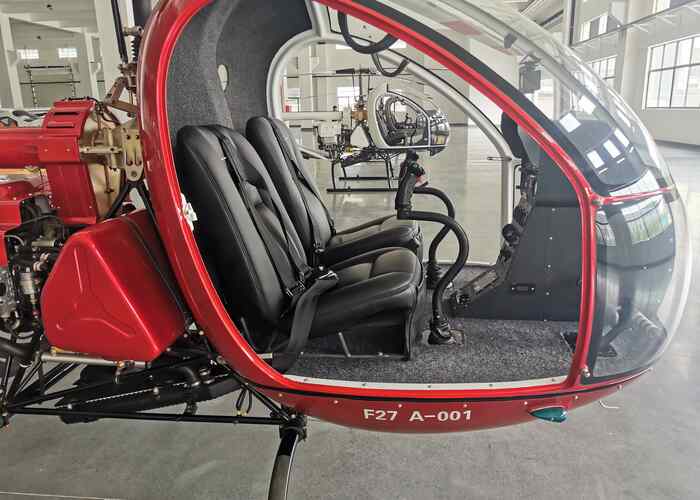
- For aviation enthusiasts and industry professionals alike, understanding the capabilities of experimental airworthiness certified helicopters is key to unlocking their full potential. The Zhonglian F27, China’s first light helicopter to earn an experimental airworthiness certificate, stands out as a prime example of how such aircraft can serve diverse purposes. From thrilling personal flights to cutting-edge research, its versatility makes it a valuable asset in multiple scenarios. Let’s dive into the key uses of the Zhonglian F27 and why its experimental certification opens doors to unique opportunities.
Description
Zhonglian F27 Helicopter: Exploring the Versatile Uses of an Experimental Airworthiness Certified Aircraft – From Recreation to R&D
For aviation enthusiasts and industry professionals alike, understanding the capabilities of experimental airworthiness certified helicopters is key to unlocking their full potential. The Zhonglian F27, China’s first light helicopter to earn an experimental airworthiness certificate, stands out as a prime example of how such aircraft can serve diverse purposes. From thrilling personal flights to cutting-edge research, its versatility makes it a valuable asset in multiple scenarios. Let’s dive into the key uses of the Zhonglian F27 and why its experimental certification opens doors to unique opportunities.
1. Personal Recreation and Flight Experiences: Bringing Aviation Joy to Enthusiasts
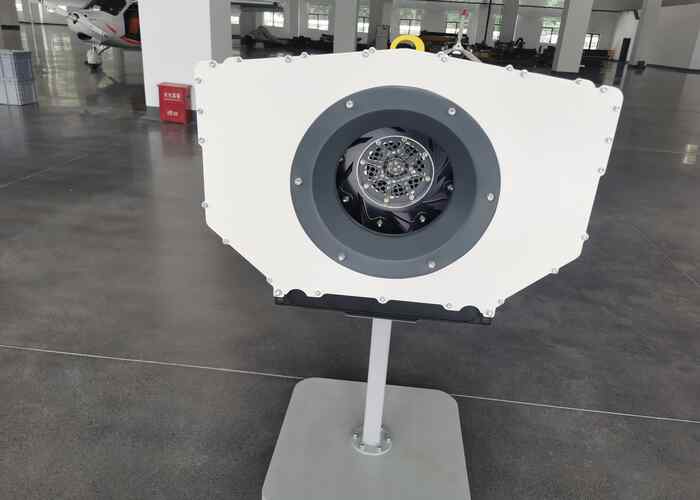
At the heart of experimental airworthiness certified aircraft like the Zhonglian F27 lies a focus on personal enjoyment and accessible flight experiences. According to China’s civil aviation regulations, experimental airworthiness certificates are primarily granted to light, ultra-light aircraft—often self-built or assembled by aviation enthusiasts—for non-commercial activities centered on recreation and experience.
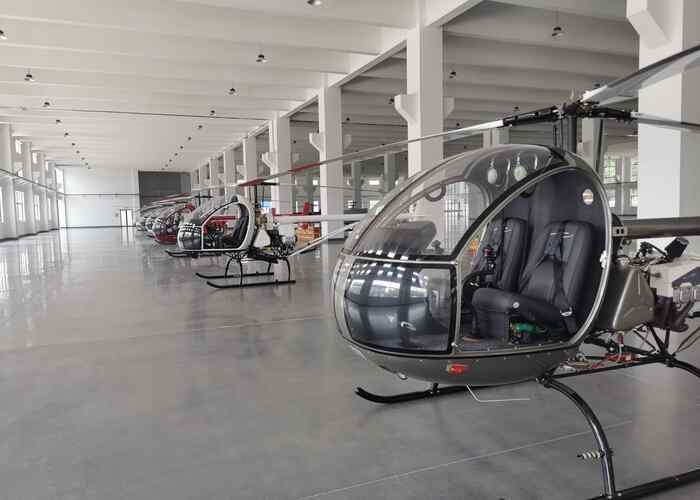
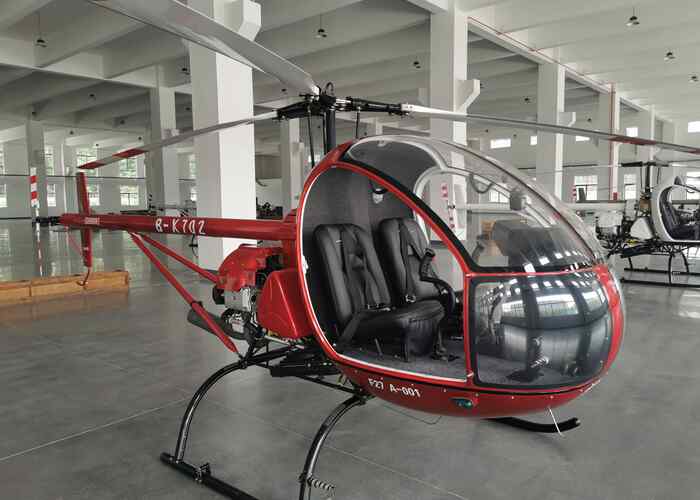
The Zhonglian F27 perfectly fits this niche. Designed as a lightweight, user-friendly model, it allows aviation lovers to take to the skies for pure enjoyment. Whether soaring over scenic landscapes, practicing basic maneuvers, or simply savoring the freedom of flight, the F27 offers a thrilling yet manageable experience for hobbyists. Additionally, it serves as a tool for introducing others to aviation: many operators use the F27 to provide short, guided flight experiences for tourists, letting them witness the world from a bird’s-eye view without the complexity of commercial aviation.
This focus on recreation aligns with the experimental certification’s core purpose: to foster passion for aviation while maintaining safety standards. For enthusiasts, the F27 isn’t just a machine—it’s a gateway to living out their flying dreams.
2. Research and Development: Testing the Future of Aviation
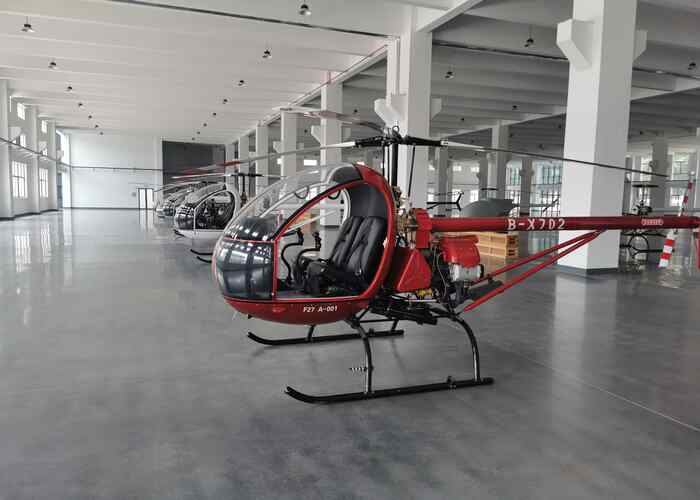
Beyond recreation, experimental aircraft like the Zhonglian F27 play a critical role in advancing aviation technology through research and development (R&D). Their certification allows manufacturers and research institutions to test new designs, components, and systems in real-world conditions—without the strict constraints of commercial certification.
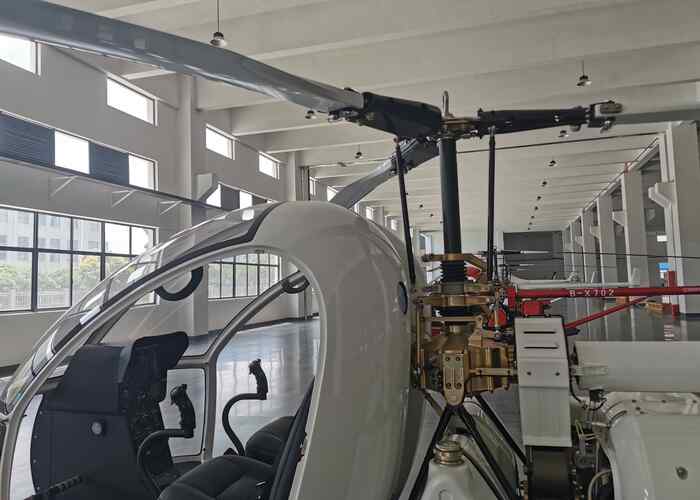
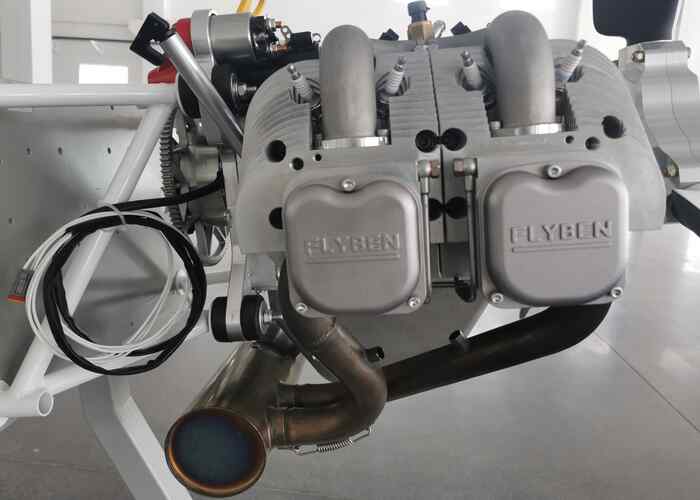
The F27, with its adaptable design, becomes a living laboratory for innovation. For example, engineers can use it to test next-generation rotor systems, evaluating how different blade shapes affect lift and fuel efficiency. It also serves as a platform for trialing new engine technologies, such as Zhonglian’s own Flyben series, allowing teams to gather performance data under various flight conditions. Similarly, advancements in avionics (like lightweight navigation systems or collision-avoidance tools) can be integrated and tested on the F27, with results informing the development of future commercial models.
This R&D focus is invaluable: experimental aircraft bridge the gap between theoretical design and practical application, ensuring that new technologies are safe, reliable, and effective before scaling up. The Zhonglian F27, in this role, becomes a catalyst for progress in the light aviation sector.
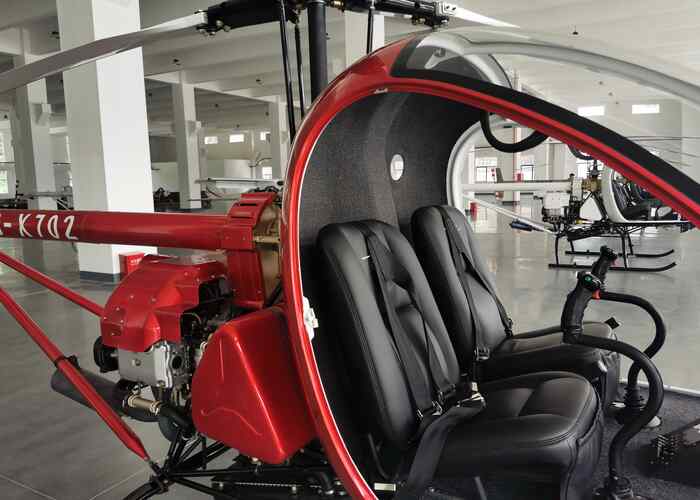
3. Exhibitions and Competitions: Showcasing Performance and Skill
Experimental airworthiness certified helicopters like the Zhonglian F27 are also stars in aviation exhibitions and competitions, where they highlight design ingenuity and pilot skill.
At air shows, the F27 draws crowds with its sleek, lightweight build and agile performance. Demonstrations of low-altitude flights, smooth turns, and quick ascents showcase its maneuverability, giving attendees a close-up look at the capabilities of modern light helicopters. These exhibitions not only promote interest in aviation but also position the F27 as a standout model in the experimental category.
In competitions, the F27 shines as a platform for pilots to display their expertise. Whether competing in speed challenges, precision landing contests, or (skill-based flying) events, the helicopter’s responsive controls and stable performance make it a favorite among participants. Such events not only entertain but also push the boundaries of what experimental aircraft can achieve, inspiring further innovation.
4. Pilot Training: Honing Skills in a Controlled Environment
While experimental aircraft like the Zhonglian F27 are not approved for commercial flight training, they play a vital role in recreational and private pilot development. Their design—simple, intuitive, and forgiving—makes them ideal for practicing basic and intermediate flying skills.
Pilots can use the F27 to master takeoffs, landings, and emergency procedures in a low-pressure setting, building confidence before transitioning to larger or more complex aircraft. For those new to aviation, the F27’s manageable size and responsive controls reduce the learning curve, making it easier to focus on essential skills like altitude control and navigation.
This training value ensures that experimental aircraft contribute to a safer, more skilled community of private pilots, fostering a culture of responsibility and proficiency in the skies.
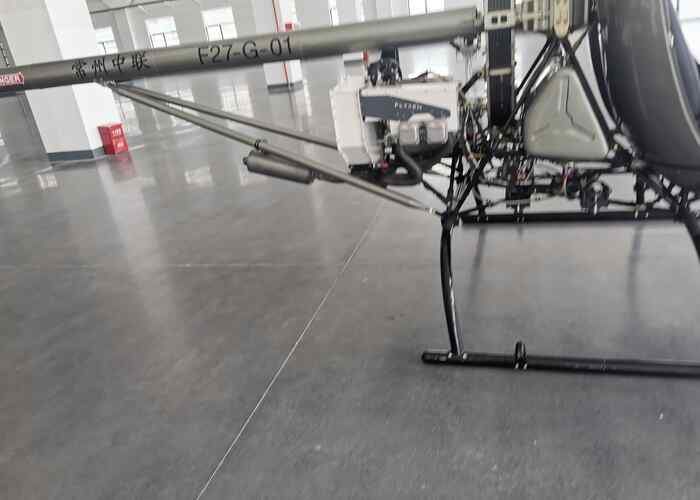
5. Market Research: Understanding User Needs for Future Innovation
For manufacturers like Zhonglian, the F27 serves as a tool for market research, helping gather insights that shape future product development. By putting the helicopter in the hands of users—from enthusiasts to small operators—teams can collect feedback on performance, comfort, and desired features.
For example, feedback on flight duration might lead to improvements in fuel efficiency, while comments on cabin layout could inform redesigns for better ergonomics. Observing how users adapt the F27 for specific tasks (such as aerial photography or light cargo transport) also reveals new potential applications, guiding the creation of specialized models.
This user-centric research ensures that future helicopters are not just technically advanced but also aligned with real-world needs, increasing their appeal in both experimental and commercial markets.
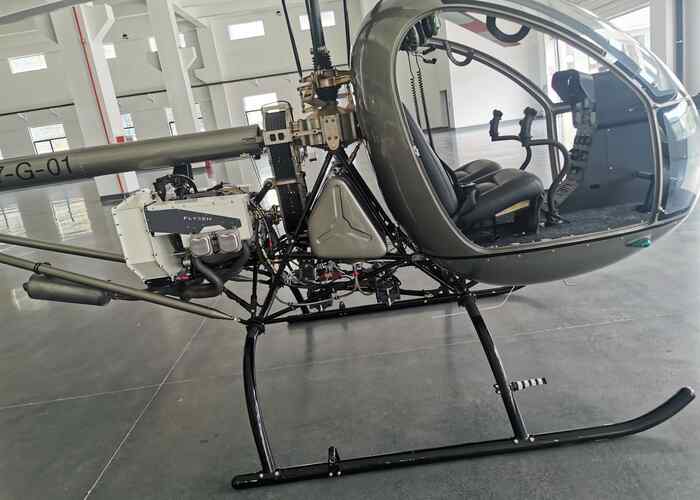
6. Security Patrols: Enhancing Safety in Targeted Areas
Under specific conditions, experimental helicopters like the Zhonglian F27 can contribute to security and surveillance efforts, particularly in low-risk, localized settings. Their small size, quiet operation, and ability to hover make them suitable for patrolling areas like small airport perimeters, event venues, or industrial facilities.
Equipped with basic surveillance tools (such as cameras or radios), the F27 can monitor for unauthorized access, safety hazards, or crowd disturbances, providing real-time updates to ground teams. This application is limited to non-critical, low-security environments (due to experimental certification constraints) but still adds value by enhancing situational awareness in areas where larger aircraft or ground patrols are less efficient.
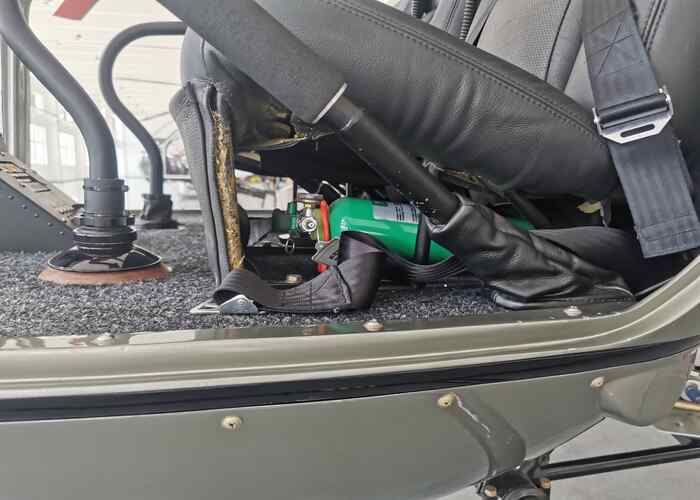
Why the Zhonglian F27 Stands Out in the Experimental Category
The Zhonglian F27’s experimental airworthiness certificate is more than a regulatory stamp—it’s a passport to versatility. By balancing safety with flexibility, it caters to aviation enthusiasts seeking joy in flight, researchers pushing technological boundaries, and operators needing a reliable tool for specific, non-commercial tasks.
Whether you’re a hobbyist dreaming of your first solo flight, an engineer testing the next big aviation breakthrough, or an event organizer looking to add excitement to an air show, the Zhonglian F27 delivers. Its range of uses underscores the value of experimental aircraft in expanding access to aviation while driving innovation forward.
Ready to explore the possibilities? The Zhonglian F27 proves that with experimental certification, the sky isn’t just a limit—it’s a playground for passion, progress, and practicality.