Previous
Next
Light Sport Aircraft 8 Practical Reasons Flight Schools Purchase Directly From Our Factory
- A light sport aircraft is a small, two-seat, single-engine airplane built to consensus airworthiness standards rather than the heavier type-certification process used for airliners and high-performance general aviation planes. The category was created to keep training, recreation and light utility flying affordable. Limits cover seats, stall speed, level cruise speed, landing gear and engine type, and they differ slightly between regulators in the United States, Europe, Australia and Asia.
Description
Light Sport Aircraft Built for Training Fleets, Survey Missions and Private Pilots
If you are comparing a light sport aircraft for a flight school, an aerial survey contract, or a private flying hobby, this guide walks you through what the category actually covers, how our machines are built, and what overseas buyers should check before placing an order. We are Zhonglian LSA Aircraft Co., Ltd., a Chinese manufacturer that designs, molds and assembles our own airframes in one plant. We sell direct, without trading-company middlemen, and we welcome factory visits or live video inspections before purchase.
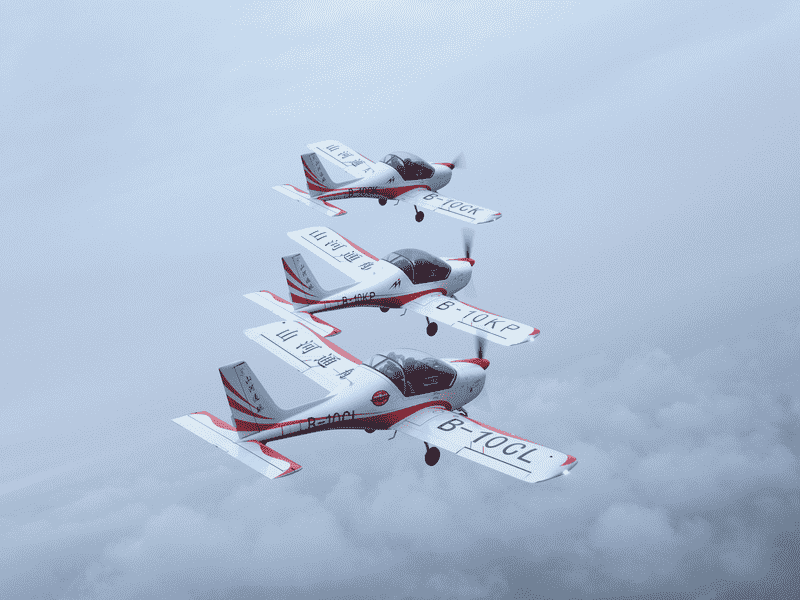
Our aircraft carry FAA special light sport aircraft paperwork and CASA recognition for the Australian market, alongside CAAC type, production and airworthiness approvals in China. Units have been delivered to buyers in the United States, Mexico, Russia, Australia, Italy, the United Arab Emirates, Vietnam, Laos, Indonesia and South America. In March 2026, our first Australian batch of three aircraft sailed from Shekou to an Australian flight school, where they entered student training and were shown at the Fly For Fun airshow.
This article draws on thirteen years of hands-on export work: order intake, sea packaging, first-flight acceptance, spare-parts follow-up and the small problems that recur at the beginning of every new market. We keep the numbers tied to current 2026 production, so older pricing and outdated rule references are not carried forward here.
What Is a Light Sport Aircraft?
The category in plain terms
A light sport aircraft is a small, two-seat, single-engine airplane built to consensus airworthiness standards rather than the heavier type-certification process used for airliners and high-performance general aviation planes. The category was created to keep training, recreation and light utility flying affordable. Limits cover seats, stall speed, level cruise speed, landing gear and engine type, and they differ slightly between regulators in the United States, Europe, Australia and Asia.
Buyers often ask whether the label means the aircraft is weak or experimental. It does not. A certified special light sport aircraft still goes through structural testing, systems checks and a manufacturer statement of compliance before delivery. The savings come from simpler airframe rules and lighter equipment, not from skipping safety testing.
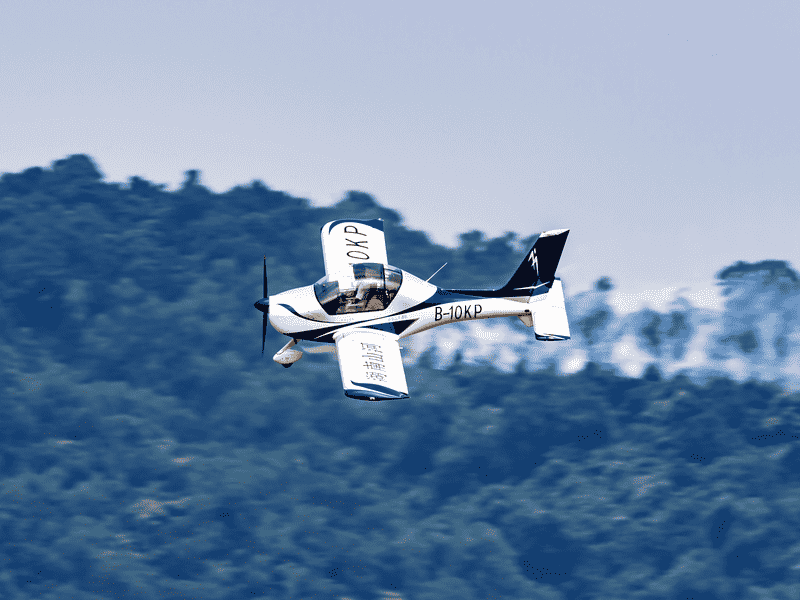
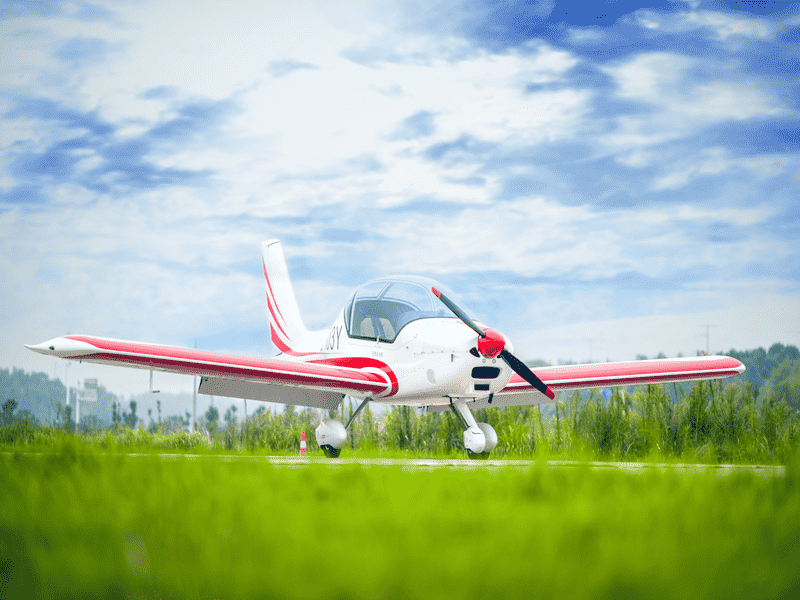
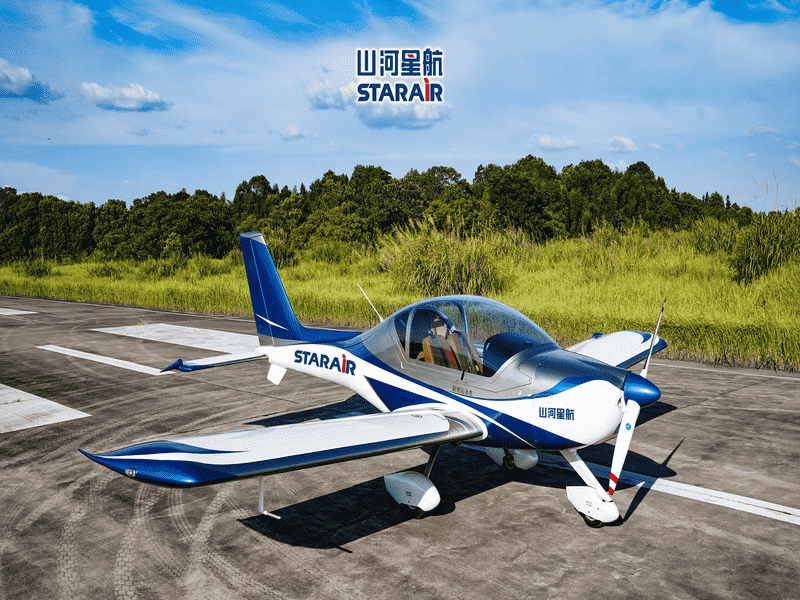
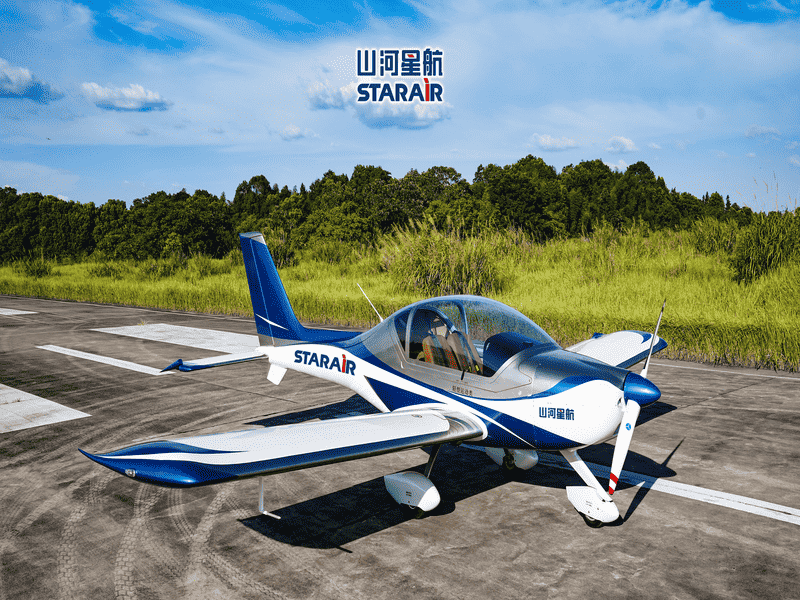
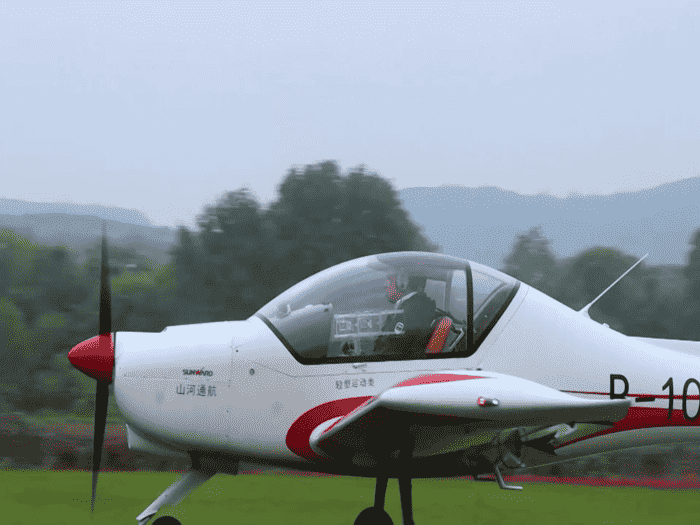
A modern lsa sport aircraft in the fixed wing family typically uses a carbon composite airframe, a four-stroke piston engine, a fixed-pitch or ground-adjustable propeller, and analog or lightweight electronic flight instruments. Most are flown by sport pilots, private pilots and flight instructors rather than commercial crews.
How this category differs from general aviation
A typical general aviation trainer runs heavier certification paperwork, higher engine power, more complex avionics and a much larger maintenance bill per flight hour. A light sport aircraft trades some payload and speed for lower purchase price, lower fuel burn, gentle stall behavior and short grass-strip performance. For a school that teaches takeoff, landing, circuits and cross-country navigation, that trade usually makes economic sense.
Rotax-style engines, composite wings and bubble canopies dominate the segment because they keep empty weight low and visibility high. Empty weight around 340 kg and maximum takeoff weight near 600 kg are common figures in this class, which keeps field length modest and operating costs predictable.
Who buys an LSA sport aircraft today
The buyer list has changed over the last five years. Flight schools remain the largest group, because a budget trainer directly lowers the cost of each student hour. Survey and mapping companies buy the same airframe as a stable camera platform, with hard points for sensors under the wings or in the rear cabin. Agricultural patrol, coastal monitoring and border patrol operators use the long-range version for low-altitude sorties.
Private owners usually want low entry cost, easy maintenance and an airframe they can tie down at a small strip. Airshow teams and demo pilots buy the aerobatic-capable variant for formation displays and precision routines. When you compare an lsa sport aircraft across these missions, the deciding factors are usually range, payload, field length and after-sales support rather than top speed alone. Any lsa sport aircraft bought for a school should be judged on repeatable fleet economics, not showroom appeal alone.
Why Fixed Wing Aircraft Still Lead Training and Utility Work
Fixed wing aircraft versus rotorcraft for training fleets
A fixed wing aircraft has a wing that generates lift in forward flight, while a helicopter relies on a main rotor and a more complex drive train. For ab initio training, a fixed wing aircraft gives students a straightforward relationship between throttle, elevator, aileron and rudder, and it absorbs mistakes during slow flight more forgivingly. Rotorcraft training costs more per hour, burns more fuel and needs more maintenance, so most schools keep rotorcraft for the helicopter stage of the syllabus.
Our observation from delivered fleets: schools that start students on a stable fixed wing airframe report fewer circuit-pattern mistakes and shorter transition time to heavier types. The gentle stall and predictable glide ratio also matter when instructors are teaching low-speed handling near the ground.
What buyers look for in a fixed wing aircraft
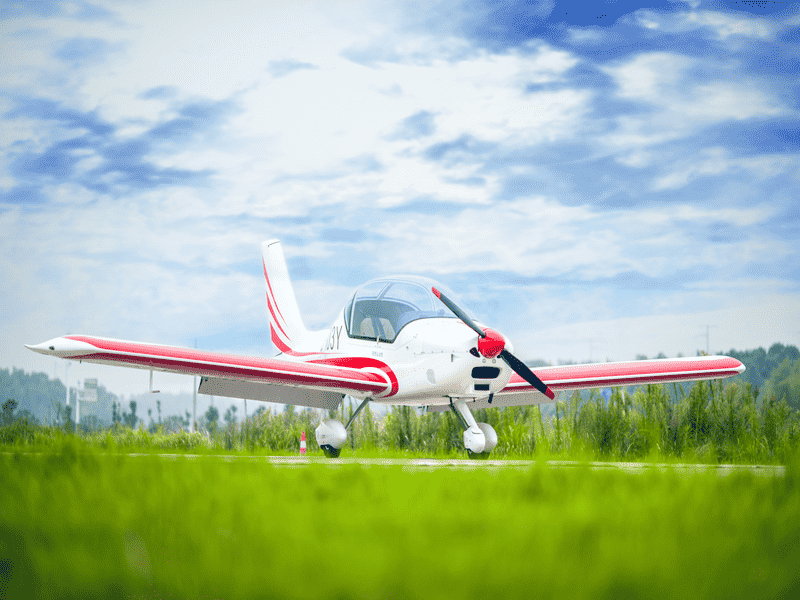
When an operator shortlists a fixed wing aircraft, they usually start with a short list of measurable points: empty weight, useful load, fuel capacity, field length at high density altitude, stall speed, maintenance access and spare-parts availability. Comfort and visibility come next: a bubble canopy, dual controls, adjustable rudder pedals and a tidy instrument panel that students read easily.
For overseas buyers, paperwork sits at the top of that list. A fixed wing aircraft sold into a regulated market needs clean airworthiness documentation, a traceable build record and parts that match the approved configuration. Missing papers are the most expensive problem a remote buyer can inherit, so we treat the delivery document folder as part of the product itself.
Where our fixed wing models fit the market
Our fixed wing line sits between the lightweight recreational trike and the heavier certified trainer. It carries two people, burns normal 95-octane automotive gasoline, and lands on grass, dirt or a paved strip without special tire changes. That combination opens markets where paved airport infrastructure is thin: parts of Southeast Asia, Africa, Latin America and rural Russia, where students may train from a farm strip rather than an international airport.
An lsa sport aircraft in this fixed wing format can also be configured for camera work, with a 40 kg payload station in the front cabin and a 20 kg station in the rear. That flexibility means one airframe can serve morning circuits, afternoon survey flights and weekend private flying, which improves the return on capital for small operators.
Our Factory: Zhonglian LSA Aircraft Co., Ltd.
Direct manufacturer sales, not trading middlemen
We design, mold, assemble and test our aircraft inside our own plant in Zhuzhou, Hunan Province. As an lsa sport aircraft builder, we keep engineering, production and export paperwork under one roof, so no outside reseller sits between you and the airframe. When you order from us, you deal with the team that built the aircraft, not an exporter who bought it from a third party. That direct line matters for questions that only the builder can answer: layup schedule, structural modification limits, engine installation details and spare-part lead times.
You can book a physical visit to the factory, walk the composite layup area, watch a wing cure, inspect the final assembly line and talk to the production manager. If travel is difficult, we can run a scheduled live video tour of the same areas, with camera close-ups on the fuselage, instrument panel, landing gear and documentation. Video inspection is not a substitute for a later in-person handover, but it removes the uncertainty of buying across a continent.
Certifications and airworthiness documentation
Our aircraft hold CAAC type certificate, production certificate and airworthiness certificate issued in China. For export, the special light sport aircraft package includes FAA SLSA paperwork that supports registration in the United States, and CASA recognition that supports operation under the Australian light sport scheme. Every lsa sport aircraft that leaves the plant carries a matched document folder: statement of compliance, aircraft logbook, engine logbook, flight manual, maintenance manual and engine operation manual.
A common question from new buyers: does an imported machine need re-certification after arrival? Under the LSA consensus-standard route, the factory compliance statement and accepted standards are the basis for registration; the buyer does not start a fresh type certificate process in the destination country. Registration rules still vary locally, so we share the document set with your local authority or maintenance partner before shipping.
Overseas delivery records and real customers
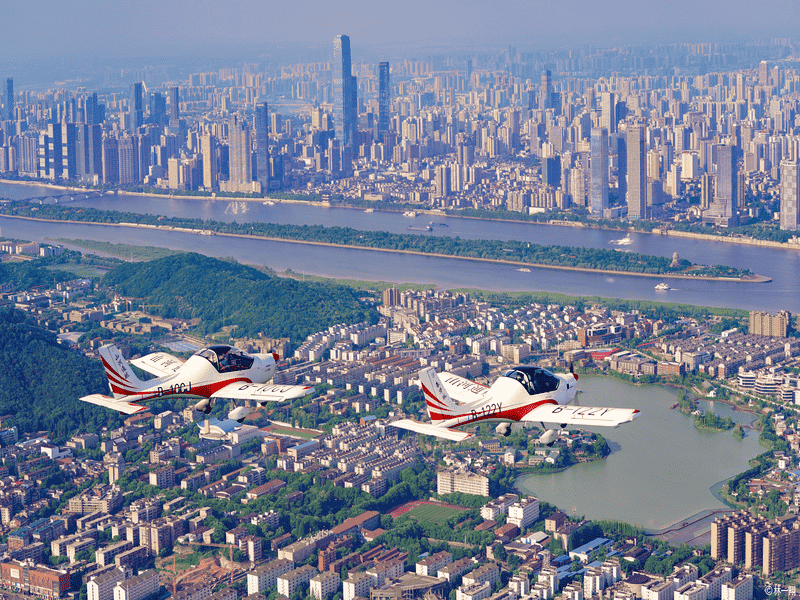
We keep a delivery ledger for every export unit, and the markets we have served include the United States, Mexico, Russia, Australia, Italy, the United Arab Emirates, Vietnam, Laos, Indonesia and several South American buyers. The March 2026 Australian order of three aircraft was packed in Shekou, sea-freighted to the local operator, and entered an Australian flight school after acceptance flights. Those three airframes have since appeared at the Fly For Fun public airshow, which gives prospective buyers in the region a place to see them in person.
A Russian operator uses our airframes for low-altitude patrol and survey work across rough terrain. A Mexican flight school trains circuits and cross-country routes on the same model. These are not anonymous reference names; each delivery has a documented serial number, acceptance checklist and follow-up maintenance record that we can walk through with serious buyers on request.
Internal lessons from our first export shipments
Our first sea shipment taught us a packaging lesson we still apply: wing spars and control surfaces need shaped foam cradles that hold them independently, not loose straps over the whole wing. One early shipment developed a minor flap hinge mark because the cradle shifted in transit. Since then, every export pack includes dedicated spar cradles, control-surface lock clips, pitot and static port covers, propeller protection and a fuselage cover listed in the free equipment sheet.
Another recurring issue in new markets is fuel grade. Operators sometimes assume any premium pump fuel works without checking octane and ethanol content. We print the approved fuel specification on the fuel filler placard and repeat it in the delivery briefing, because wrong fuel is a maintenance problem the operator can avoid before the engine ever leaves the dock.
Core Design and Performance of Our Light Sport Aircraft
Composite airframe and structural reliability
Our airframe is molded from carbon fiber composite in one-piece sections, with composite content above 90 percent of the structure. Composite panels do not rust the way aluminum skin does, and they tolerate the humid coastal and tropical environments common to many export markets. The same construction keeps empty weight down, which leaves more useful load for fuel, passengers and mission equipment.
The airframe has a best-in-class glide ratio around 12.5:1 and docile stall behavior. In an engine-out situation, that gives the pilot a wider choice of forced-landing fields. For students, the forgiving slow-speed handling reduces the chance of an abrupt stall during landing practice, which is one reason training schools favor this layout over twitchier designs.
Fuel, range and short-field capability
The standard aircraft carries two 60-liter fuel tanks, 120 liters total, and runs on regular 95-octane automotive gasoline rather than expensive avgas. Cruise fuel burn is about 12 liters per hour, which works out near 8 liters per 100 kilometers at cruise speed. Range reaches roughly 1,200 to 1,300 kilometers, enough for regional repositioning flights, survey sorties and patrol routes without constant refueling.
Takeoff distance is around 180 meters and landing distance around 170 meters on a prepared strip. On grass or a firm dirt surface the numbers rise, but the airframe still operates from short unimproved strips that heavier certified trainers cannot reach. That short-field capability is a practical advantage in Africa, Southeast Asia, Latin America and rural Russian airfields with limited pavement.
Variants and optional equipment
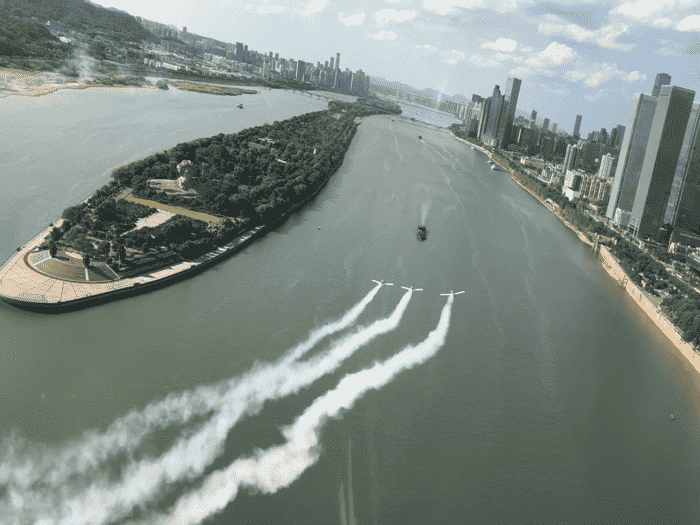
The standard SA60L is the base training and recreational version. The SA60L-T plateau variant is tuned for high-altitude operation, with engine and cooling adjustments for thin air. The SA70L high-configuration version carries upgraded avionics and cabin options for buyers who want a more complete panel from day one. Optional equipment includes a whole-aircraft ballistic parachute, customized paint schemes, dual throttle controls, a smoke system for demo flights and an external generator for sensor power.
Mission payload stations accept cameras, mapping sensors and agricultural or monitoring equipment. The front cabin station handles up to 40 kg and the rear station up to 20 kg, so survey buyers can mount the sensor package without sacrificing the second seat for training flights.
Side-by-side model comparison
The table below lists the principal specifications across our three in-production configurations. Figures are factory standard values; avionics, paint and mission equipment can be adjusted to the buyer's operating environment.
Specification | SA60L Standard | SA60L-T Plateau | SA70L High-Config | Operational Note |
|---|---|---|---|---|
Seating capacity | Two seats, side by side | Two seats, side by side | Two seats, side by side | Dual controls fitted on every training airframe |
Powerplant | Zonsen CA500 piston engine | CA500 tuned for high altitude | Rotax 912 ULS optional | Engine choice confirmed at order stage |
Airframe material | Carbon fiber composite, one-piece mold | Carbon fiber composite, one-piece mold | Carbon fiber composite, one-piece mold | Composite share above 90 percent |
Empty weight | About 340 kg | About 345 kg | About 350 kg | Weight varies with avionics and options |
Maximum takeoff weight | 600 kg | 600 kg | 600 kg | Matches LSA class weight limit |
Cruise speed | 220 km/h | 210 km/h at density altitude | 220 km/h | Figures are level cruise, not max speed |
Stall speed | About 73 km/h | About 73 km/h | About 73 km/h | Docile break and gentle drop |
Maximum range | About 1,200 km | About 1,100 km at altitude | About 1,300 km | Range depends on load and wind |
Takeoff distance | About 180 m | About 200 m at high altitude | About 180 m | Prepared strip, standard atmosphere |
Landing distance | About 170 m | About 180 m at high altitude | About 170 m | Flap-assisted landing roll |
Recommended missions | Flight training, private flying | High-altitude training, mountain operations | Survey, patrol, premium recreation | Sensor payload stations optional |
Read the comparison alongside your local density altitude and strip surface. A number that looks strong on a coastal airfield can change noticeably at a 1,500-meter mountain strip, which is why the plateau variant exists rather than pretending one tune works everywhere.
Operational Cases and Real Use Cases
Flight school training fleets
The largest share of our delivered aircraft goes to flight training. Schools buy them for ab initio circuits, cross-country navigation, night-familiarization where local rules allow, and instructor standardization. Dual controls, a clear panel and predictable handling keep student workload low, while low fuel and maintenance costs keep the school's per-hour invoice competitive.
The Australian batch that arrived in March 2026 went straight into a training syllabus after acceptance flights. The operators reported that student pilots adapted quickly to the mechanical control feel, and the bubble canopy gave instructors the side visibility needed to judge low-wing line-up on final. We do not publish flight-hour claims that the operator has not confirmed, so the takeaway here is the deployment pattern, not a promised dispatch rate.
Aerial survey, agriculture and patrol missions
Survey customers value a stable platform more than raw speed. Our airframe carries camera and sensor mounts, flies steady at low altitude, and uses the long range to cover large blocks in one sortie. Agricultural patrol and border monitoring operators use the same airframe over rural terrain, where short-field stops and reliable simple systems matter more than pressurized comfort.
One South American customer configured the aircraft for pasture monitoring, with a camera pod on the front station and extra fuel for long low passes. Their feedback after the first season was that maintenance access was easy for their local crew, and spare parts arrived within the lead times quoted at order stage. That kind of follow-through is what keeps repeat orders coming.
Private recreation and airshow demonstration
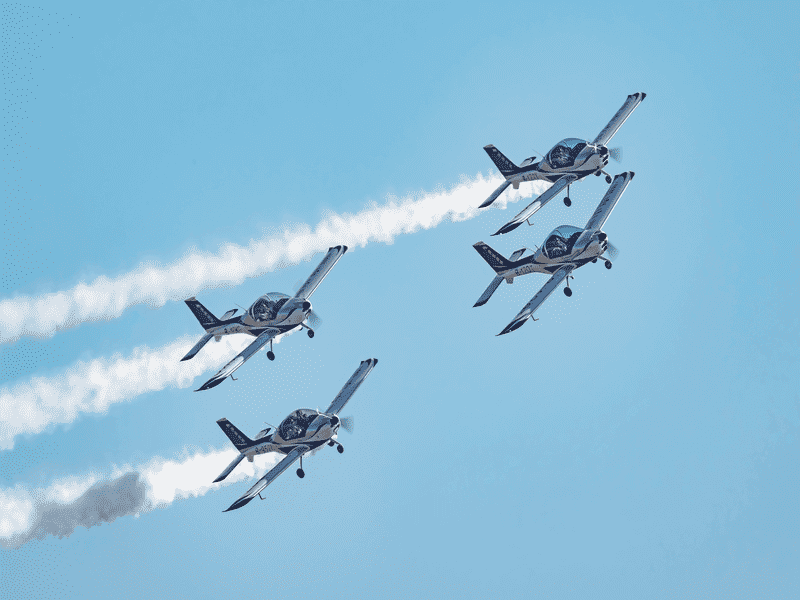
Private owners buy the standard model for weekend flying, touring and local aerobatic practice within approved limits. The airframe supports steep turns, loops, rolls and spin practice where the operator's certification allows, and the optional smoke system turns display flights into crowd-facing demonstrations. We still recommend that any aerobatic use stay inside the approved flight envelope in the flight manual.
Demo teams and public display operators have flown the type at EAA-style gatherings and regional airshows, including the Fly For Fun appearance in Australia. For a private buyer, this means the airframe has public flight time across several countries, rather than being an unproven kit design sold only in a home market.
Cost of Ownership: Total Cost for Budget-Sensitive Fleets
Fuel and maintenance economics
A light sport aircraft built for training lives or dies on recurring cost. An lsa sport aircraft that burns pump gasoline instead of avgas delivers the first and most visible saving; an 8-liters-per-100-kilometer cruise figure keeps the fuel bill predictable for schools that fly a fixed daily syllabus. Composite skin does not corrode, and simple mechanical systems mean a local mechanic with basic tools can handle most scheduled inspections.
Spare parts for our aircraft are priced below the equivalent Western-brand items, and we ship parts from the factory rather than through a regional distributor markup. That matters most in year two and three of operation, when schools compare annual maintenance budgets rather than the headline purchase price.
Pricing compared with Western-built models
Western-built machines in this segment commonly sell for roughly twice our factory price for a comparable configuration. A popular amphibious LSA can approach 400,000 US dollars before options, while our standard fixed wing trainer sits at a much lower factory figure. The gap does not mean Western airframes are worse; it reflects labor, supply chain and brand pricing differences. For a budget-focused school, the gap changes how many aircraft a given capital budget can buy.
We publish the current standard configuration quotation on request, because pricing moves with engine choice, avionics level, paint scheme and export logistics. Any quote you receive is tied to the current 2026 production batch, not a stale brochure figure from an earlier model year.
Why TCO beats the headline price
A flight school should compare total cost of ownership over five years: acquisition, fuel, scheduled maintenance, spare parts, insurance and downtime from parts waiting overseas. When a light sport aircraft is evaluated on that five-year basis, recurring cost matters more than the first invoice. The cheaper acquisition price only helps if downtime and parts cost stay low. Our direct factory channel keeps the parts line short, and the simple composite structure keeps inspection hours low.
A common mistake buyers make is comparing sticker prices only. A lower-price machine from an unknown builder may carry undocumented maintenance limits or unsupported parts, which surfaces as expensive downtime in the second year. Verifying the factory, the certification paper trail and the delivery record protects that later TCO more than negotiating the first invoice down by a small amount.
Production Capacity, Delivery and Factory Inspection
Annual output and build schedule
Our plant produces around one hundred aircraft per year, with one unit rolling off the line roughly each month once a batch is in flow. Popular configurations are kept as near-stock assemblies, so an order can convert to a serial number quickly without waiting for a fresh layup cycle. Bulk school orders are planned in batches, with a shared production slot, synchronized test flights and one consolidated shipping package.
The production schedule we quote at order time includes layup, curing, assembly, engine install, panel install, first flight, acceptance checks and export packaging. We share the milestone list with the buyer so they know where their airframe sits at each stage, rather than waiting on a single delivery date.
Book a factory visit or a video walkthrough
We invite serious buyers to visit the plant in Zhuzhou before placing an order. You can meet the sales engineering team, review the airframe drawings, inspect active production units and confirm configuration in person. If an overseas visit is not practical, we can schedule a video call that walks the same production areas: composite layup, wing molding, final assembly, test flight prep and the export packaging station.
Bring your mission requirements to the visit: typical strip elevation, runway surface, fuel availability, expected flight hours per year and the equipment you plan to mount. That lets our engineers confirm the right variant and option list before the airframe enters the build queue, which avoids costly changes after assembly.
After-sales support and spare parts
Delivery does not end when the aircraft leaves the dock. We keep a spare-parts stock for consumables and wear items: tires, brake pads, filter elements, spark plugs, cable ends and instrument lamps. Structural and major assemblies are ordered against the serial number, with lead times confirmed at the quotation stage so the buyer can plan maintenance downtime.
For each delivered fleet, we provide a maintenance briefing that covers scheduled inspection intervals, approved lubricants, torque figures and common inspection points. School customers can book a maintenance engineer type-rating session alongside pilot training, so their local crew can carry out line maintenance without waiting for factory travel. This support structure is one of the reasons repeat school orders follow the first delivery rather than the buyer shopping elsewhere.
What to check before you sign
Before committing, ask the supplier for the certification documents relevant to your country, the delivery record in your region, the spare-parts lead time and the maintenance manual language. Confirm whether the price includes standard avionics, headsets, tool kit, fuselage cover, propeller cover and shipping cradle. Ask how warranty issues are handled when the aircraft is operating thousands of kilometers from the factory.
These are the checks we ask our own buyers to run with us, because a transparent pre-sale review prevents disputes later. A factory that refuses a document review or a plant visit is usually not a factory you should buy your first aircraft from.
Common Questions Buyers Ask
Does an imported LSA sport aircraft need re-certification?
Under the special light sport aircraft consensus-standard route, the factory statement of compliance and accepted standards support registration in the destination market; the aircraft does not go through a fresh type certificate program. Local registration and medical requirements still apply, and we provide the full document folder for your local authority to review.
Can the airframe operate on grass and dirt strips?
Yes. The fixed wing aircraft landing gear and tire setup are sized for short grass and firm dirt strips, in addition to paved runways. Surface quality, grass length, slope and density altitude all affect actual field length, so we recommend you share your strip dimensions and elevation before finalizing the variant.
What customization is available?
Buyers can choose exterior paint from ten standard patterns, select the engine, upgrade the panel to the SA70L configuration, add a ballistic parachute, dual throttle, smoke system, external generator or mission sensor mounts. Training and maintenance type-rating seats can be booked alongside the aircraft delivery.
How many aircraft can a flight school order in one batch?
We plan bulk school orders in shared production batches, with synchronized acceptance flights and consolidated sea or air freight. The March 2026 Australian delivery was a three-unit batch; larger fleet orders are scheduled against annual plant capacity, and the buyer receives milestone updates through each build stage.
What fuel does the aircraft use?
The approved fuel is regular 95-octane automotive gasoline, not avgas. Ethanol content and octane must meet the specification in the flight manual. We repeat this in the delivery briefing because fuel grade is one of the easiest problems to prevent before first flight.
How old is the production design?
The current production line reflects 2026 build standards, updated through delivered fleet feedback. Earlier brochure figures should be checked against the current quotation, because avionics, optional equipment and pricing change between model years.
References and Further Reading
For regulators and buyers who want to read the official rules themselves, the following external pages document the light sport aircraft category in major markets. These are third-party authority pages, not our own website, and they are linked here for independent reference.
The light sport aircraft entry on Wikipedia summarizes the category definition, class types and regulatory history across national authorities. The FAA maintains the official Light-Sport Category Aircraft page, including consensus standards and the manufacturer statement of compliance form. For Australian operators, CASA publishes the About Light Sport Aircraft scheme overview and certification requirements. EAA also publishes an independent aircraft owners and maintenance reference for sport and light category aircraft owners.
If you are evaluating a fixed wing aircraft for export, compare the regulatory summary above with your own national civil aviation rules before purchase. Document requirements, pilot certificate privileges and maintenance permissions differ by country even when the airframe standard looks similar on paper.
About the Author
Li Wei (David Wei) is chief export sales engineer at Zhonglian LSA Aircraft Co., Ltd. He has worked in general aviation export since 2013, supporting order intake, acceptance flights, sea-freight packaging and spare-parts follow-up for delivered fleets in North America, Oceania, Southeast Asia and Latin America. He holds a mechanical engineering background and has walked through acceptance handovers at delivery airfields in several of the markets listed above. You can connect with him on the company facebook home page or contact the factory sales line for a configuration review, quotation, factory visit or live video inspection.
[Company note: Zhonglian LSA Aircraft Co., Ltd. designs and manufactures fixed wing training and utility aircraft direct to flight schools, survey operators and private owners. Factory visits and video inspections are available by appointment before purchase.]