Previous
Next
Star air Aircraft Co.,Ltd: Chief Engineer’s 13 Tips for Buying Aurora SA60L light sport aircraft
- Why should a buyer trust the view from inside Starair Aircraft Co.,Ltd rather than a reseller listing? Because we are the source factory. We design the airframe, mold the composite parts, run the assembly line, conduct pre-delivery inspection, and keep the serial-numbered parts records. A trading middleman cannot answer engineering questions, and they usually hold no production history. When you deal with Starair Aircraft Co.,Ltd, the person on the line can trace your airframe back to its jig, its test records, and its parts revision level. That traceability is what separates a genuine fixed wing ultralight aircraft program from an imported resale listing.
Description
Interview With Our Chief Engineer: Top Tips for Fixed Wing Ultralight Aircraft Selection
Interview Introduction
Host: Welcome to this industry expert interview. Today we are sitting down with He Qinghua, Chief Engineer at Starair Aircraft Co.,Ltd, the original equipment manufacturer behind the Aurora SA60L light sport aircraft. He has spent more than eighteen years in general aviation airframe design, structural certification, and serial production. He has overseen composite airframe development, flight test support, and export deliveries for the SA60L program.
Host: Our audience includes flight school owners, tourism operators, aerial survey teams, private pilots, and individual enthusiasts who are comparing fixed wing ultralight aircraft and other fixed wing planes from different builders. Many are trying to separate real engineering evidence from catalog marketing.
He Qinghua, Chief Engineer at Starair Aircraft Co.,Ltd: Thank you for having me. I will keep this practical. Most of the questions I answer at airshows and factory visits come down to three things: whether the aircraft is properly certified, whether the factory can stand behind it over the next decade, and whether it fits the actual mission the buyer plans to fly.
Host: Before we go further, can you explain what this interview covers, and how the SA60L fits into the broader category of fixed wing planes available today?
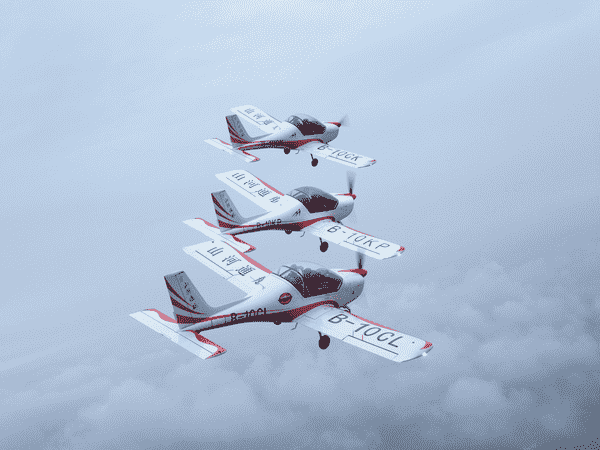
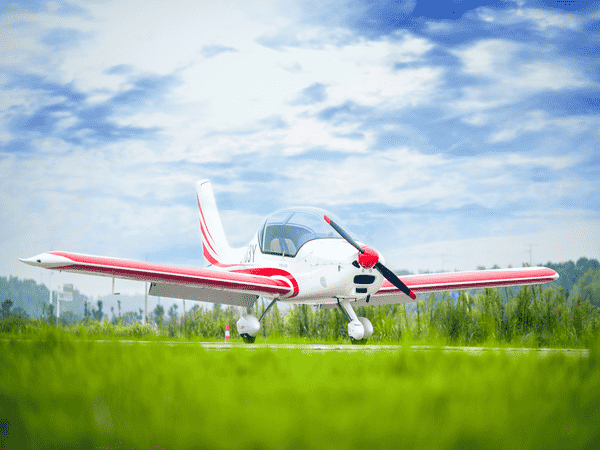
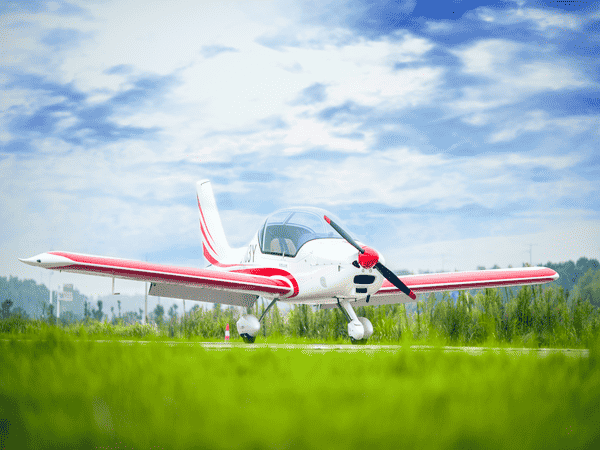
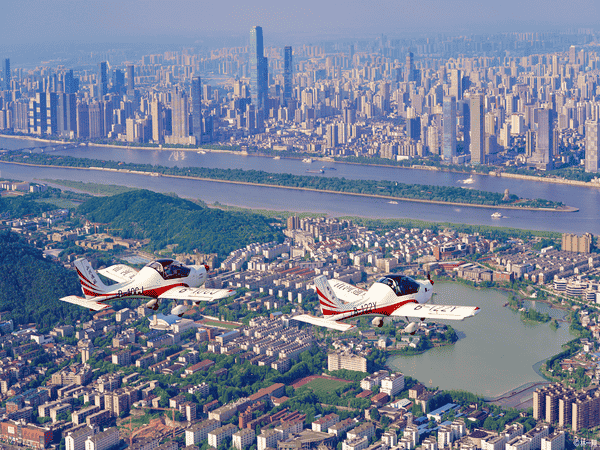
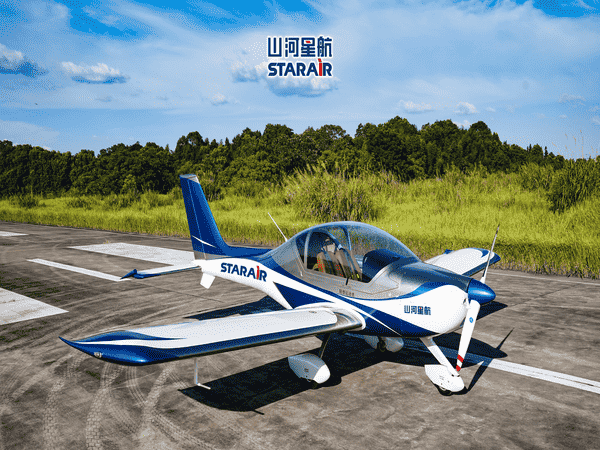
He: Sure. We will walk through market conditions, materials and manufacturing, certification status, performance comparisons, maintenance realities, direct factory buying, and the questions buyers ask most often. The Aurora SA60L built by Starair Aircraft Co.,Ltd is a single-engine, two-seat fixed wing ultralight aircraft built from carbon fiber composite. It is sold as a light sport aircraft, and it currently operates across North America, Latin America, Southeast Asia, the Middle East, and Oceania, joining a growing global fleet of fixed wing planes.
Host: Why should a buyer trust the view from inside Starair Aircraft Co.,Ltd rather than a reseller listing?
He: Because we are the source factory. We design the airframe, mold the composite parts, run the assembly line, conduct pre-delivery inspection, and keep the serial-numbered parts records. A trading middleman cannot answer engineering questions, and they usually hold no production history. When you deal with Starair Aircraft Co.,Ltd, the person on the line can trace your airframe back to its jig, its test records, and its parts revision level. That traceability is what separates a genuine fixed wing ultralight aircraft program from an imported resale listing.
Meet the Engineer: Background and Track Record
Host: Walk us through your own background, so readers know where this advice comes from.
He: I joined the general aviation industry after completing my aerospace engineering degree. My early work focused on composite structural design and static load testing. Over the years I have worked through prototype development, type certification support, production ramp-up, and field issue resolution. On the SA60L program at Starair Aircraft Co.,Ltd I have been responsible for structural design review, production quality standards, and liaison between engineering, production, and customer support.
Host: What kind of hands-on experience sits behind the SA60L?
He: We have logged roughly fifteen years of airframe evolution on this platform. The installed fleet now exceeds five hundred fixed wing planes delivered since launch from Starair Aircraft Co.,Ltd. Those aircraft have accumulated hundreds of thousands of flight hours across different climates and runway types. That field record shapes every design decision we still make on the production line.
Host: Have you attended international shows where these fixed wing planes meet overseas buyers?
He: Yes. The SA60L has been presented at the U.S. EAA AirVenture gathering and the Australian Avalon Airshow. Those events matter because overseas operators can inspect the fixed wing ultralight aircraft in person, speak to current owners, and compare it directly against established Western designs. I personally meet buyers there who later book a factory audit or a video tour.
The State of the Fixed Wing Ultralight Aircraft Market in 2026
Host: Let us start with the market. What are you seeing from inquiries this year?
He: Speaking from the production floor at Starair Aircraft Co.,Ltd, demand for fixed wing ultralight aircraft remains broad, but it has become more selective. Buyers are no longer asking only about price. They ask about certification status, spare parts availability, local maintenance capability, and whether the builder can be verified. Fixed wing planes that cannot produce a clear airworthiness record are losing attention quickly.
Host: Which customer segments are the most active right now?
He: At Starair Aircraft Co.,Ltd, four groups drive most of our inquiries. First, flight clubs and training schools that run introductory flights and recreational training. Second, tourism operators offering scenic flights from grass or paved strips. Third, survey and photography teams needing a stable low-speed platform. Fourth, private owners buying a fixed wing ultralight aircraft for weekend leisure and local travel.
Host: What are the most common reasons buyers choose fixed wing planes over rotary-wing options?
He: Range, fuel economy, and operating cost. A fixed wing aircraft reaches farther on the same fuel, burns less per hour in cruise, and typically carries lower recurring maintenance than a helicopter. For missions that do not require vertical lift, fixed wing planes remain the rational choice for training, touring, and survey work. Many of the fixed wing planes we ship overseas follow exactly this comparison against rotorcraft alternatives.
Demand Drivers and Mission Fit
Host: Are buyers changing how they evaluate a fixed wing ultralight aircraft?
He: Yes. They used to compare mostly empty weight and engine size. Now they ask about payload interfaces, avionics redundancy, documentation quality, and the delivery process. They also want to know what missions the aircraft cannot legally perform. That honesty matters more than a glossy brochure, and it is the standard the factory applies in every quotation.
Host: Where does the SA60L sit against that shifted expectation?
He: The SA60L, built by Starair Aircraft Co.,Ltd, is positioned as an affordable, durable two-seat platform for leisure flying, primary training, sightseeing, and light survey work. It is not marketed as an instrument trainer or a commercial pilot pipeline aircraft. Stating that boundary early prevents buyers from selecting a fixed wing plane for the wrong mission.
Host: Which markets have accepted this type of fixed wing ultralight aircraft most readily?
He: North America, Australia, and parts of Southeast Asia and the Middle East have active LSA-style categories that match this aircraft. Operators in those regions already understand light sport rules, so certification review moves quickly. Markets with strict certified-aircraft rules require a different conversation before purchase. The factory reviews each destination market before recommending configuration.
Common Misconceptions Buyers Should Drop
Host: What misconception do you correct most often?
He: The idea that a lower purchase price automatically means lower quality. Price and quality are linked through design discipline, materials control, and production documentation. A well-built fixed wing ultralight aircraft can cost less than a certified Part 23 trainer because it belongs to a lighter regulatory category, not because it is engineered to a lower safety standard. At the factory we explain this distinction to every overseas buyer.
Host: Another one?
He: The belief that all fixed wing planes can be upgraded later into professional training platforms. Most fixed wing planes in the light sport category are tied to their certification category. If a school plans to teach instrument or commercial ratings, it should buy the appropriate certified airframe from the start rather than expect an SLSA aircraft to grow into that role.
Host: Do buyers underestimate local maintenance access?
He: Frequently. An inexpensive fixed wing ultralight aircraft becomes expensive if no local mechanic can service the engine or source parts. We ask every overseas buyer to confirm maintenance capability in their region before quoting configuration. That question saves costly downtime after delivery, and it applies equally to the fixed wing planes we export.
Design, Materials, and Manufacturing at the Source Factory
Host: Move us onto the engineering side. How is the SA60L airframe built?
He: The airframe uses all-carbon-fiber composite construction. The composite parts are molded in the Starair Aircraft Co.,Ltd facility rather than purchased from external subcontractors. One-piece molding reduces the number of bonded joints, which is where many structural issues surface later in service. This is the core structural choice behind this fixed wing ultralight aircraft.
Host: Why composite instead of an aluminum airframe?
He: Composite handles corrosion better than exposed aluminum, which matters in coastal and humid operating environments. It also allows smooth aerodynamic shaping and a favorable strength-to-weight ratio. The empty weight of the SA60L sits near 340 kilograms, with a maximum takeoff weight of 600 kilograms. That light airframe leaves useful load for two occupants, fuel, and mission equipment.
Host: How do you control quality on the composite line?
He: Each composite part follows a defined layup schedule, cure cycle, and inspection record maintained by Starair Aircraft Co.,Ltd. Jigs hold the airframe through assembly, and structural assembly is checked against the design drawings before paint and systems installation. Records stay tied to the aircraft serial number, so future maintenance can trace what was built.
Carbon Fiber Composite Process in Practice
Host: Can you describe the production sequence a buyer who visits the factory would see?
He: They would see composite layup and curing, airframe jig assembly, wing and empennage attachment, systems installation, avionics fit, paint and interior work, ground checks, and flight test. A fixed wing plane moves through these stations in rolling batch production at Starair Aircraft Co.,Ltd, and a typical build spends about one month on the line after order confirmation.
Host: What internal lessons did you learn from early production batches?
He: Early batches taught us to pay close attention to bonding surface preparation and torque verification on control attachments. Those are not glamorous items, but they are where field issues start. We revised process instructions and inspection checkpoints, and those revisions now run through every production aircraft. This kind of internal review is one reason Starair Aircraft Co.,Ltd welcomes factory audits on our fixed wing ultralight aircraft.
Host: How does the cockpit and control layout support training use?
He: The two-seat side-by-side cockpit uses a bubble canopy for roughly 360-degree outward visibility on this fixed wing ultralight aircraft. Mechanical flight controls run through push-pull tubes and cables. Dual controls are standard for training, with a dual throttle control available as an accessory. The direct mechanical response gives instructors a predictable platform and students clear feedback through the stick and pedals.
Factory Floor Quality Control and Records
Host: What documentation travels with each fixed wing plane you deliver?
He: The delivery package prepared by Starair Aircraft Co.,Ltd includes the flight manual, maintenance manual, engine operation manual, engine line maintenance manual, avionics handbooks, engine logbook, aircraft logbook, keys, document box, toolbox, and ground handling items such as chocks and covers. Certificate copies and serial-number records are checked against the airframe before export.
Host: How do field reports feed back into production?
He: Maintenance records and operator surveys return to engineering at Starair Aircraft Co.,Ltd. Recurring observations are addressed in production updates, service instructions, and spare parts revisions. Buyers do not rely on one engineer's memory; they rely on a documented revision system tied to each serial number. This loop has been refined over hundreds of delivered fixed wing planes.
Host: Can buyers verify this when they cannot visit in person?
He: Yes. We arrange live video factory tours covering the composite workshop, assembly stations, stock airframes, and quality records. During the call the buyer can ask to see current serial numbers and production documentation. A video tour of Starair Aircraft Co.,Ltd gives remote buyers the same baseline evidence an on-site audit would provide.
Certifications That Matter: FAA, CAAC, and CASA
Host: Certification is usually the first serious question overseas buyers ask. Walk us through the SA60L approvals.
He: The SA60L built by Starair Aircraft Co.,Ltd carries approvals under three aviation authorities. Domestically in China it holds the CAAC type certificate, production certificate, and airworthiness certificate. In the United States an exported example received an FAA special airworthiness certificate in the light-sport airplane category. In Australia another exported example received a CASA special certificate of airworthiness as a light sport aircraft.
Host: Let us cover each one. What does the CAAC production certificate indicate?
He: A production certificate covers serial manufacturing rather than a single experimental build. That distinction matters when buyers check whether a fixed wing ultralight aircraft comes from an established production line or a one-off prototype. The type certificate covers the approved design, and the airworthiness certificate confirms that a particular aircraft conforms to that design produced by Starair Aircraft Co.,Ltd.
Host: What do the FAA records show for the U.S. example?
He: The U.S. aircraft, registration N871LS, model Aurora SA60L, serial SA60LS00172, received its FAA special airworthiness certificate on 08 July 2019 from Starair Aircraft Co.,Ltd's exported production batch. It operates under FAA Part 91 rules and the manufacturer's aircraft operating instructions. The pilot in command must hold the appropriate category and class certificate, plus any ratings or endorsements required by part 61.
Host: And the Australian example?
He: The Australian aircraft, registration VH-HAN, serial SA60LS00310, was issued its CASA special certificate of airworthiness on 11 August 2023. The certificate covers private operations and flight training, subject to the annex conditions attached to it. Those conditions require manufacturer-approved modifications and repairs, compliance with manufacturer safety directions, maintenance per manufacturer requirements, and continuing airworthiness performed by Starair Aircraft Co.,Ltd or a CASA-appointed person.
What Each Certificate Covers, and What It Does Not
Host: What should buyers understand about the limits of these approvals?
He: SLSA-style recognition is not the same as a Part 23 type certificate. The SA60L cannot be marketed for instrument rating training or commercial pilot training in jurisdictions that require Part 23 approval for those syllabi. Starair Aircraft Co.,Ltd states this plainly rather than overselling the fixed wing ultralight aircraft category.
Host: Does certification travel automatically across borders?
He: No. An airworthiness certificate issued by one authority does not automatically grant operating rights in another country. Operations outside the issuing state require permission from the applicable foreign authority, and that permission must be carried aboard the aircraft. Buyers should check destination-country rules before ordering a fixed wing plane for export, and Starair Aircraft Co.,Ltd reviews that destination checklist before contract signing.
Host: How does Starair Aircraft Co.,Ltd support export certification paperwork?
He: The factory prepares the certificate copies, logbooks, configuration list, and manual set that match the delivered serial number. Local registration and final airworthiness acceptance still follow destination authority procedures, so we coordinate with the buyer's local importer or maintenance contact through that step.
Performance and Specification Review
Host: Now let us look at performance. What are the core numbers buyers should compare on any fixed wing ultralight aircraft?
He: Length and wingspan set hangar footprint and low-speed stability. Cruise speed shows touring capability. Stall speed and stall behavior indicate low-speed safety. Service ceiling defines usable altitude range. Range and fuel capacity determine mission flexibility. Takeoff and landing distances reveal rough-field suitability. These are the numbers Starair Aircraft Co.,Ltd compares against peer fixed wing planes in the table below.
Host: Walk us through the SA60L standard figures.
He: The airframe built by Starair Aircraft Co.,Ltd measures 6.89 meters long, 8.6 meters wingspan, and 2.53 meters high. Cruise speed is 220 kilometers per hour, stall speed 73 kilometers per hour, service ceiling 4,500 meters, and maximum range 1,200 kilometers. Takeoff distance is about 180 meters and landing distance about 170 meters in standard configuration.
Host: What about fuel and payload?
He: Two tanks hold 60 liters each for a total of 120 liters. Cruise consumption runs near 12 liters per hour, and the aircraft burns 95-octane automotive gasoline, which keeps operating cost lower than avgas-only designs. For survey work the front cabin can carry up to 40 kilograms and the rear cabin up to 20 kilograms of mission equipment. These figures are the baseline most buyers compare when shortlisting fixed wing planes.
Side-by-Side Comparison of Light Fixed Wing Aircraft
Host: The audience likes a direct comparison. Can we place a reference table beside typical LSA benchmarks?
He: Yes. The table below compares the SA60L from Starair Aircraft Co.,Ltd against typical light sport aircraft benchmarks on the dimensions buyers check first. Peer figures are representative ranges rather than a specific competitor model, and buyers should verify final numbers against the latest factory quote for any fixed wing ultralight aircraft they consider.
Comparison Item | Aurora SA60L Standard | Typical LSA Benchmark Range | Mission Implication | Buyer Verification Point |
|---|---|---|---|---|
Seating layout | Two seats, side-by-side | Two seats, tandem or side-by-side | Matches club training and leisure missions | Confirm cabin layout for instructor access |
Empty weight | Around 340 kg | 300 to 360 kg | Keeps useful load for fuel and payload | Check empty weight on the current quote |
Max takeoff weight | 600 kg | 550 to 600 kg | Sets total payload and fuel ceiling | Confirm useful load against mission equipment |
Cruise speed | 220 km/h | 180 to 230 km/h | Supports touring and survey transit | Compare cruise against planned route length |
Stall speed | 73 km/h | 70 to 85 km/h | Reflects low-speed and landing safety | Review stall behavior in the operating manual |
Service ceiling | 4,500 m | 3,000 to 4,500 m | Covers most lowland operational routes | Verify against local altitude environment |
Takeoff distance | 180 m | 150 to 250 m | Indicates short-strip capability | Confirm runway surface and density altitude |
Landing distance | 170 m | 150 to 230 m | Reflects short-field landing performance | Check crosswind and grass-strip performance notes |
Host: How should a reader use this table when comparing fixed wing planes?
He: Match each row to your actual runway, payload, and route. Do not select on a single headline speed. A buyer operating from a short grass strip should weight stall speed, takeoff distance, and rough-field behavior above maximum cruise. A survey operator should weight payload interfaces and stable low-speed handling first. This comparison method applies whether you evaluate our aircraft or other fixed wing planes on the market.
Host: What engine options are offered on this fixed wing ultralight aircraft?
He: The standard SA60L can be ordered with the domestic CA500 piston engine supplied through Starair Aircraft Co.,Ltd. Buyers who prefer an established Western powerplant may specify the Rotax 912 ULS instead. The Rotax option is commonly requested by overseas schools and private owners who already have Rotax maintenance experience locally.
Maintenance, Safety, and Real-World Reliability
Host: After purchase, what keeps a fixed wing ultralight aircraft flying safely over its service life?
He: Scheduled maintenance, correct record-keeping, and honest inspection intervals. The maintenance manual issued by Starair Aircraft Co.,Ltd defines check intervals and consumable replacements. Wear parts are listed so operators can plan stock before the first annual check. Ignoring scheduled inspections on any fixed wing plane turns a manageable airframe into an avoidable risk.
Host: What safety characteristics do you point out to new pilots?
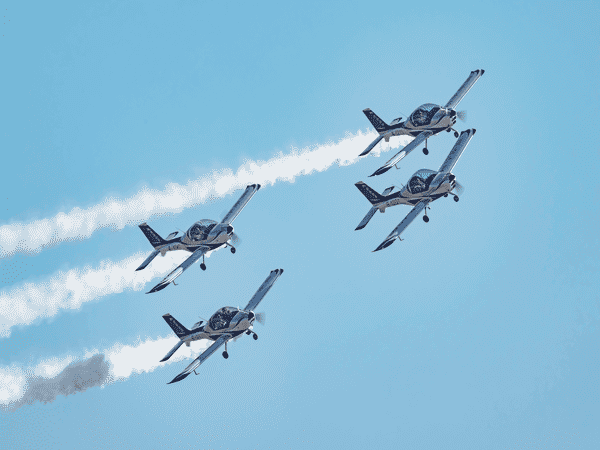
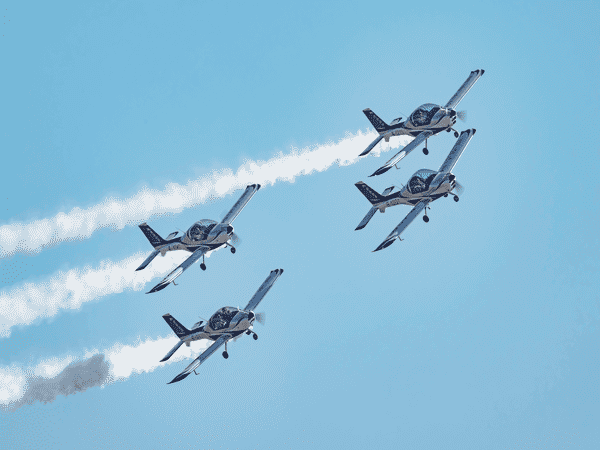
He: The mechanical control system responds directly, and the flight envelope is forgiving for students. The aircraft shows gentle stall behavior, a low stall speed, and a usable glide ratio for emergency descent. Approved maneuvers include steep turns, loops, rolls, and spins within the limits set by the operating manual. Aerobatic capability stays inside those limits; it is not an unlimited aerobatic machine. Starair Aircraft Co.,Ltd trains instructors to respect those limits on every fixed wing ultralight aircraft.
Field Feedback and Known Pitfalls
Host: What are the recurring pitfalls you have seen buyers and operators fall into?
He: First, buying below budget for a mission that later shifts. A club starts with leisure training, then decides to chase professional pilot training, and the SLSA airframe cannot support that syllabus. Second, ignoring local maintenance capability before export. Third, skipping a pre-delivery documentation review. Each one turns a straightforward fixed wing plane into an expensive problem, and Starair Aircraft Co.,Ltd flags all three during the pre-order review.
Host: Can you give a concrete example from real projects?
He: A flight club in Southeast Asia ordered its first SA60L from Starair Aircraft Co.,Ltd to run introductory experiences from a short grass strip. Paved-training aircraft would have struggled with that surface. The aircraft entered service, and after twelve months the club placed a second order for its expanding schedule. That case worked because the mission, runway, and category matched from the start.
Host: Another example?
He: A private owner in the United States purchased an SLSA-category fixed wing aircraft from Starair Aircraft Co.,Ltd under FAA rules. The buyer completed a remote pre-purchase inspection, reviewed the FAA certificate copy, and arranged delivery through a local importer. The aircraft now flies under Part 91 recreational rules, with maintenance handled by a local mechanic familiar with the category.
Host: And the Oceania case?
He: An Australian operator received a CASA-registered fixed wing plane for private flying and flight training. It follows the annex conditions attached to the special airworthiness certificate, including manufacturer-approved modifications and regulated maintenance sign-off. Compliance with those conditions keeps the certificate valid over time. This is one of the fixed wing planes Starair Aircraft Co.,Ltd supports after export delivery.
Host: What exclusive factory support do repeat overseas buyers receive?
He: For repeat buyers we keep a configuration template tied to the destination authority. It records the approved avionics list, engine option, placard language, and export documentation package for that market. A follow-on aircraft uses the same baseline, which reduces rework and duplicate spare parts. This template lives inside Starair Aircraft Co.,Ltd and is not something a reseller can reproduce from a catalog.
Buying Direct From the Manufacturer
Host: Explain the difference between buying from a source factory and buying through a trading middleman.
He: A middleman resells aircraft built by someone else. They add a margin, hold no production data, and cannot answer engineering questions. As the original equipment manufacturer, Starair Aircraft Co.,Ltd controls the airframe drawings, the parts inventory, and the flight history. When you buy direct, specification changes go straight to engineering and warranty issues route back to the team that knows the serial number.
Host: Does direct factory sale mean no local support?
He: No. The factory works with appointed local channels for maintenance and spare parts. Engine warranty and service follow the engine maker's terms, while airframe parts and structural repairs route back through Starair Aircraft Co.,Ltd. Buyers should identify their local maintenance contact before the aircraft arrives, not after a downtime event.
Factory Audit, Video Tour, and Transparent Pricing
Host: How can an overseas buyer verify the factory before committing?
He: You may book an on-site audit at our Zhuzhou plant. Walk the composite workshop, inspect the jigs, watch an assembly station, review quality records, and meet production managers. If travel to China is not practical, we arrange a live video tour so you can inspect the fixed wing ultralight aircraft and its build line on camera.
Host: What can a buyer ask to see during that tour?
He: Current serial numbers, stock airframes, inspection records, the paint booth, and the delivery inspection station. You can ask engineers about the layup schedule, control system layout, and documentation set. Transparent production visibility is part of how Starair Aircraft Co.,Ltd sells fixed wing planes direct rather than through an intermediary, and the same visibility applies to every fixed wing ultralight aircraft on the line.
Host: How is pricing structured when buying from Starair Aircraft Co.,Ltd?
He: The standard traditional-avionics SA60L lists at 1.08 million RMB. The quotation reflects factory list pricing, standard equipment, optional items, and the documents included with the aircraft. Options such as custom painting, dual throttle control, smoke system, external generator, pilot type rating, and maintenance engineer conversion training are listed separately so the buyer can see each cost line. This transparent pricing applies across the fixed wing planes we build for export.
Host: Are training options available after delivery?
He: Yes. The optional pilot type rating course and maintenance engineer conversion training can be arranged on request through the factory. These short programs help local staff work safely on this fixed wing ultralight aircraft during the first inspection cycles. New owners also receive the full documentation set and the basic ground handling accessories shipped with the aircraft.
Frequently Asked Questions
Host: Let us answer the questions readers ask most often about a fixed wing ultralight aircraft in this category.
Certification and Legal Operation
Host: Is the SA60L a fixed wing aircraft?
He: Yes. The SA60L built by Starair Aircraft Co.,Ltd is a fixed wing aircraft with rigid wings, a single piston engine, and a two-seat side-by-side cockpit. It is not a rotary-wing aircraft and not a weight-shift or powered parachute machine.
Host: Which authorities have certified this fixed wing plane?
He: The SA60L from Starair Aircraft Co.,Ltd holds CAAC type certificate, production certificate, and airworthiness certificate in China. It also holds an FAA special airworthiness certificate as a light-sport airplane in the United States, and a CASA special certificate of airworthiness as a light sport aircraft in Australia.
Host: Can this aircraft support instrument or commercial training?
He: No. The SA60L is certified in the SLSA category and does not support instrument rating or commercial pilot training syllabi. Operators aiming for those tracks should consider a Part 23 platform rather than this fixed wing ultralight aircraft. This limitation applies to most fixed wing planes in the light sport category.
Purchase Process and Factory Verification
Host: Can I visit the factory before buying?
He: Yes. You may book an on-site audit of the Zhuzhou plant or request a live video factory tour. As the source factory, Starair Aircraft Co.,Ltd supports direct inspection of the aircraft by serious buyers.
Host: Is the company a trading company?
He: No. Starair Aircraft Co.,Ltd manufactures the fixed wing plane ourselves. The sale is direct from the factory, not through an intermediary. Production capability can be verified through an on-site audit or video tour.
Host: How long is the delivery cycle?
He: A typical build cycle is about one month on the rolling production line. Some stock airframes are available for immediate delivery. Custom configuration choices may extend the schedule according to parts lead time, which Starair Aircraft Co.,Ltd confirms in the quotation for each fixed wing plane.
Performance, Fuel, and Maintenance
Host: What runway types does it need?
He: The SA60L operates from grass, dirt, and short unimproved strips as well as paved runways. Takeoff distance in standard configuration is around 180 meters, and landing distance around 170 meters. These short-field numbers are a common reason buyers shortlist this fixed wing ultralight aircraft.
Host: What fuel does it use?
He: The standard aircraft burns 95-octane automotive gasoline. Total fuel capacity is 120 liters across two tanks, with cruise consumption near 12 liters per hour.
Host: Can the engine be changed to Rotax?
He: The Rotax 912 ULS is an available engine option on order. Buyers who already operate Rotax-powered fixed wing planes overseas usually choose this option for local maintenance familiarity.
Host: What documents ship with the aircraft?
He: Flight manual, maintenance manual, engine manuals, avionics handbooks, engine and aircraft logbooks, keys, document box, toolbox, and ground handling covers and chocks. Certificate copies match the delivered serial number before export, as checked by Starair Aircraft Co.,Ltd before the container closes.
Outlook for Fixed Wing Planes and Light Sport Aviation
Host: Looking ahead, where do you see the light fixed wing ultralight aircraft segment moving?
He: Buyers will keep favoring builders who can show real serial production, certified documentation, and field-proven support. Marketing claims without a verifiable airworthiness record will struggle to earn trust. Fixed wing planes with clear mission limits and honest maintenance guidance will remain competitive against pricier certified trainers for leisure, training, and survey missions, and Starair Aircraft Co.,Ltd tracks this shift through every export inquiry.
Host: What technology do you expect to matter most on future platforms?
He: Avionics that match local rules, simpler engine maintenance support, and composite construction that holds up in coastal and tropical climates. Fleet tracking and cloud-based fleet data are already part of the current SA60L package from Starair Aircraft Co.,Ltd, and those features will become baseline expectations for overseas operators comparing fixed wing planes.
Host: Will the source factory model keep growing?
He: We believe buyers will continue to prefer direct contact with the manufacturer for specification control and after-sales traceability. Working with Starair Aircraft Co.,Ltd means the order, the production records, and the support chain stay inside one organization. That direct model fits how overseas buyers now evaluate fixed wing planes.
Host: What is your single most important tip for a first-time buyer?
He: Define the mission and runway reality before comparing prices. Decide the license track, the payload, and the operating environment first. Then choose the fixed wing ultralight aircraft that matches that mission, rather than picking the fastest or cheapest listing and hoping it fits later. This rule applies whether you evaluate our fixed wing planes or any competing design.
Regulatory References and Further Reading
Host: For readers who want to verify the regulatory background themselves, which public sources should they check?
He: National regulator pages define how light sport aircraft are classified, licensed, and operated. Those rules directly affect what a fixed wing plane can legally do in a given market, and they are the first check we recommend before shortlisting fixed wing planes from any builder. The references below are maintained by the relevant authorities and open aviation references, and buyers should confirm the latest rules in their destination country.
U.S. FAA light-sport aircraft rules and acceptance guidance are published on the FAA official site: FAA Light Sport Aircraft
European light aircraft regulation background is available from EASA: EASA Light Aircraft Regulations
Australian civil aviation oversight and airworthiness information is available from CASA: CASA Civil Aviation Safety Authority
European Union aviation safety rules for light aircraft are published by EASA: EASA Light Aircraft Product Rules
Host: How do these references help a buyer comparing fixed wing planes?
He: They show why the same aircraft may be marketed under different categories in different regions. Comparing the FAA, EASA, and CASA frameworks helps buyers understand license requirements, maintenance rules, and mission limits before they sign a purchase contract. This comparison matters for all fixed wing planes, not just the SA60L.
Host: Is there an independent external reference buyers can open to verify the light sport approval path themselves?
He: Yes. Before contacting any builder, buyers can cross-check the SLSA eligibility and airworthiness rules on the regulator's own public portal. The approval background associated with Starair Aircraft Co.,Ltd should be read alongside that independent FAA guidance, so you are comparing the manufacturer's claims against the regulator's published definitions rather than against a reseller listing. This external link is provided for verification only; it does not constitute a regulatory endorsement of any specific aircraft.
Talk to the Manufacturer Directly
Host: What should a reader do next if they are evaluating this fixed wing ultralight aircraft?
He: Bring us your mission, local runway type, and target delivery timeline. Starair Aircraft Co.,Ltd can send the latest SA60L quotation, specification sheet, and certification documents, arrange a video factory tour, and schedule an on-site audit if you plan to visit Zhuzhou. The direct factory line gives you specification control and traceable support, with no middleman markup.
Host: Where can buyers reach Starair Aircraft Co.,Ltd?
He: Visit the official website at www.starair.cn or write to [email protected]. The plant is located at No.768 Zhixing Street, LuSong District, Zhuzhou, Hunan Province, China. Whether you represent a flight school, a tourism operation, a survey team, or a private leisure project, you can speak directly with the engineering and sales team behind this fixed wing ultralight aircraft.
Host: One closing note for overseas operators researching fixed wing planes?
He: Verify the builder, verify the certificate, and verify the maintenance path before you compare the final price. A well-matched fixed wing ultralight aircraft from a source factory such as Starair Aircraft Co.,Ltd will serve you longer than a cheap purchase that does not fit the mission. Compare fixed wing planes on mission fit first, price second.
Author Credibility Note
This interview was conducted with He Qinghua, Chief Engineer at Starair Aircraft Co.,Ltd. He holds an aerospace engineering degree and more than eighteen years of experience in composite airframe design, structural certification support, and serial production. He has participated in the SA60L program through prototype development, production ramp-up, and export delivery support, and he has met overseas buyers at the U.S. EAA AirVenture and Australian Avalon Airshow.
The figures and views in this article draw on internal production records kept by Starair Aircraft Co.,Ltd, exported certificate copies for registrations N871LS and VH-HAN, and field feedback collected through 2026. Product details are updated periodically as specifications evolve, so confirm the current configuration and pricing in the latest factory quotation. The author's professional updates on light sport aviation and production progress are available through the company official channels linked above.