Previous
Next
Tongyu C100 Gyroplane: Redefining Light Sport Aviation with Certified Excellence
- As a leading rotorcraft manufacturer, we take pride in presenting the Tongyu C100 gyroplane—a testament to our commitment to crafting high-quality, reliable light sport rotorcraft. Designed for enthusiasts and professionals alike, the C100 stands out in the aviation world, not only for its exceptional performance but also for its proud possession of light sport airworthiness certifications, ensuring compliance with rigorous safety and operational standards. To truly appreciate the innovation behind the Tongyu C100, it is essential to understand what a gyroplane is, how it works, and why it has become a beloved choice in the light sport aviation community.
Description
Tongyu C100 Gyroplane: Redefining Light Sport Aviation with Certified Excellence
As a leading rotorcraft manufacturer, we take pride in presenting the Tongyu C100 gyroplane—a testament to our commitment to crafting high-quality, reliable light sport rotorcraft. Designed for enthusiasts and professionals alike, the C100 stands out in the aviation world, not only for its exceptional performance but also for its proud possession of light sport airworthiness certifications, ensuring compliance with rigorous safety and operational standards. To truly appreciate the innovation behind the Tongyu C100, it is essential to understand what a gyroplane is, how it works, and why it has become a beloved choice in the light sport aviation community.
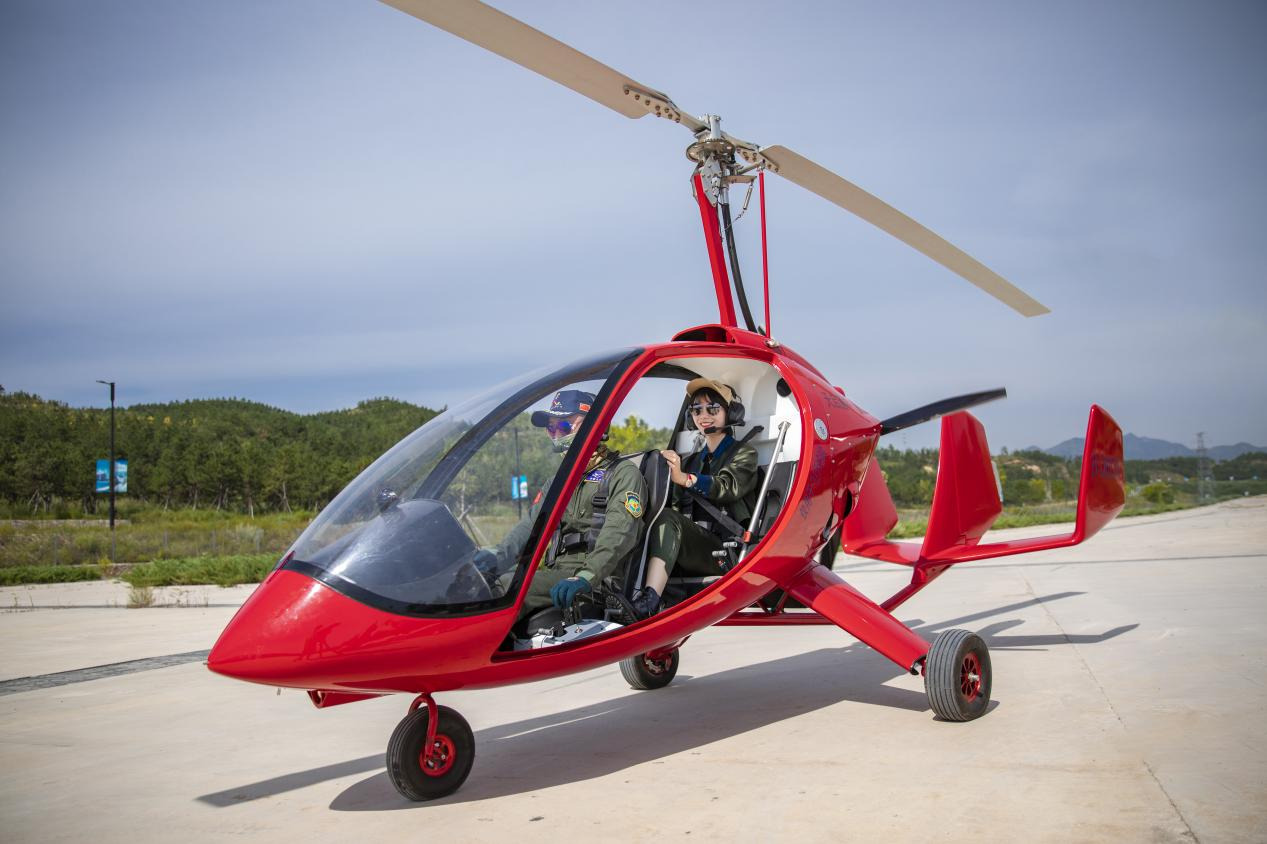
What is a Gyroplane?
A gyroplane, also known as an autogyro, is a unique type of rotorcraft that occupies a distinct space between fixed-wing aircraft and helicopters. Unlike airplanes, which rely on fixed wings to generate lift through forward motion, and helicopters, which use powered rotors to both lift and propel, the gyroplane operates on a different principle: it uses an unpowered rotor to generate lift, paired with a separate source of forward thrust. This key difference gives gyroplanes a set of advantages—including enhanced safety, simplicity, and maneuverability—that make them ideal for light sport applications.
The history of the gyroplane dates back to the early 20th century, with pioneers like Juan de la Cierva seeking to create an aircraft that combined the stability of fixed-wing planes with the vertical takeoff capabilities of helicopters. Today, modern gyroplanes like the Tongyu C100 build on this legacy, leveraging advanced materials and engineering to deliver a flying experience that is both accessible and thrilling.
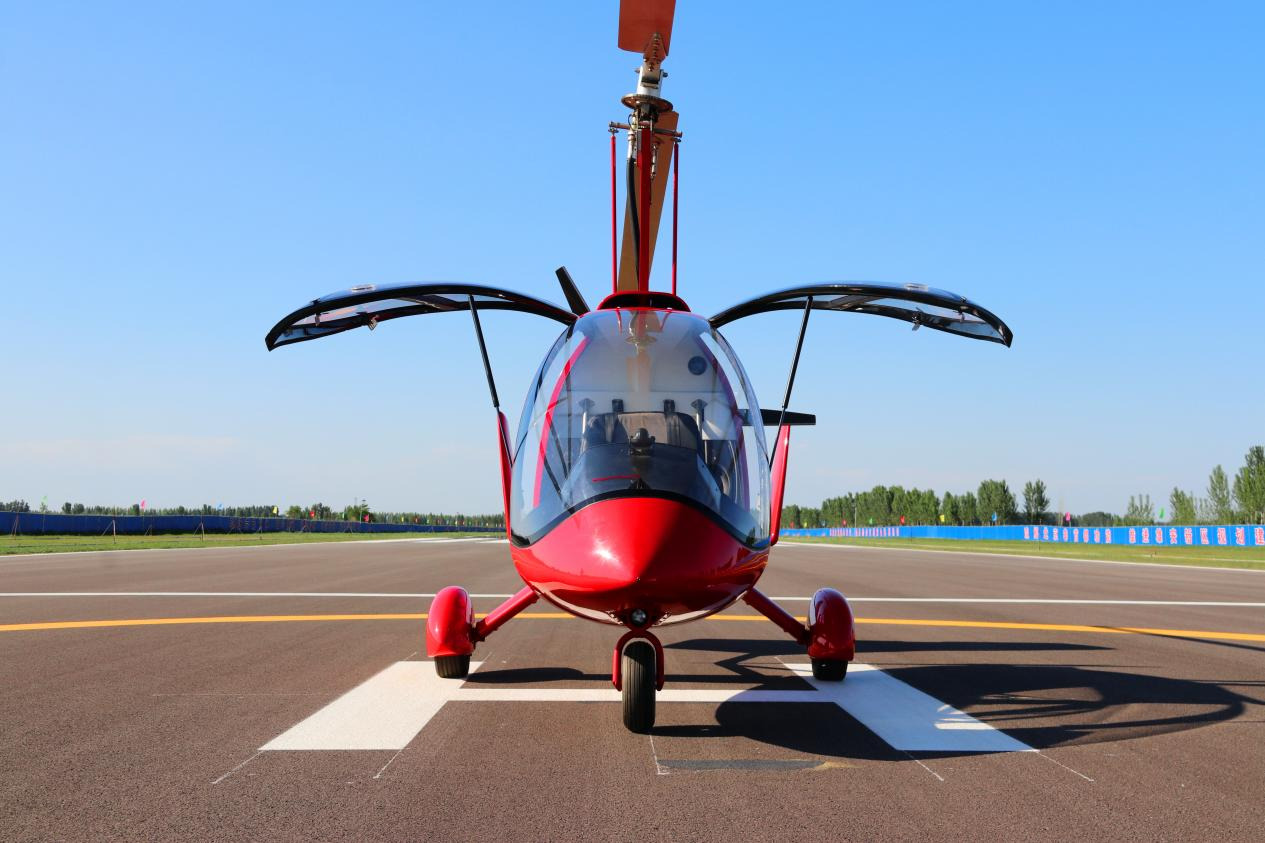
How Does a Gyroplane Work?
The operation of a gyroplane revolves around a few core components and principles, each working in harmony to achieve flight:
1. The Unpowered Rotor: Lift Through Autorotation
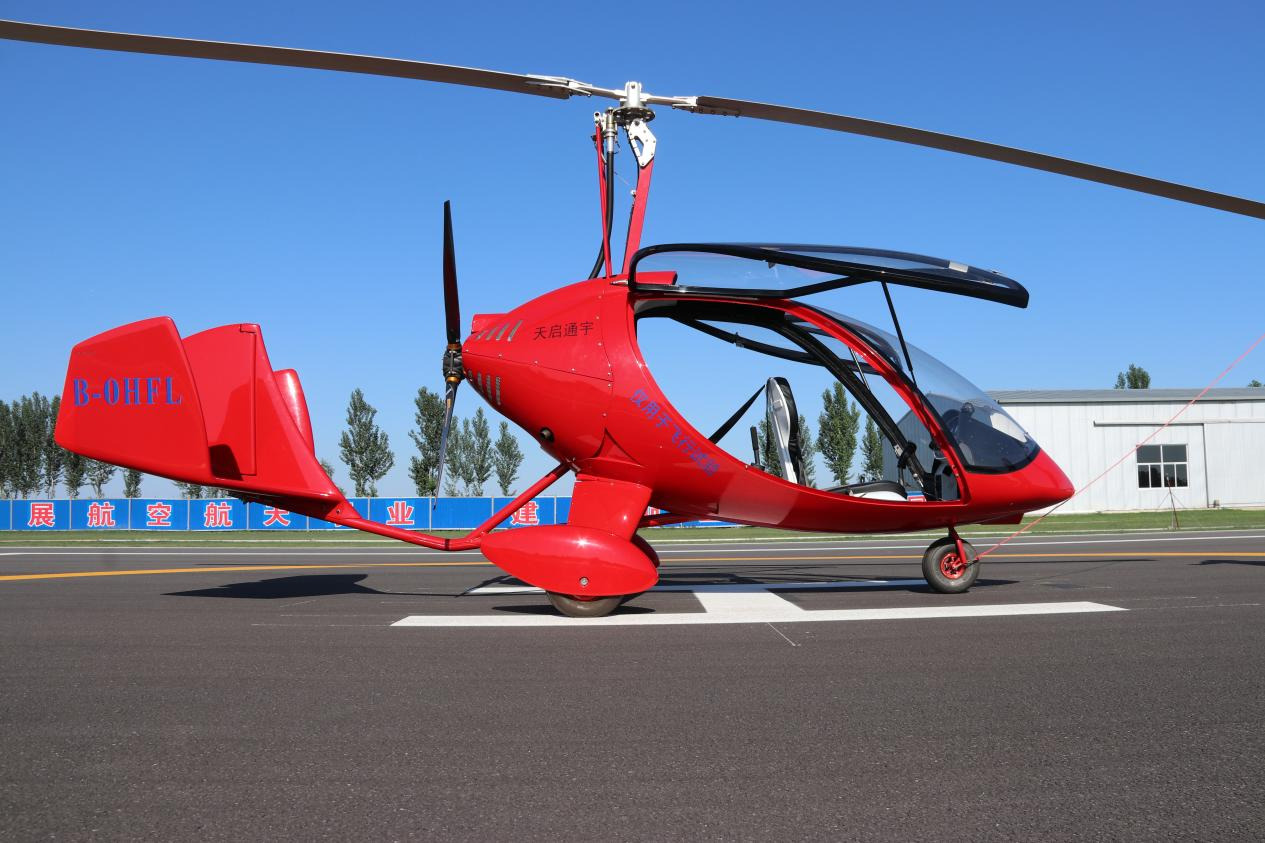
At the heart of the gyroplane is its free-spinning rotor—a set of blades mounted on top of the fuselage that rotates without a direct power source. Unlike a helicopter’s rotor, which is driven by an engine to create lift, the gyroplane’s rotor spins passively due to a phenomenon called autorotation. Here’s how it works: as the gyroplane moves forward (propelled by a separate engine), air flows upward through the rotor blades, causing them to spin. This rotation generates lift, much like a windmill turning in the breeze.
The rotor blades are designed with an airfoil shape, similar to airplane wings. As they spin, the air passing over the curved upper surface of the blades moves faster than the air below, creating lower pressure above the blade and higher pressure below—a difference that produces lift. This lift is what allows the gyroplane to ascend and maintain altitude.
2. Forward Thrust: The Propeller
To initiate the rotor’s spin and keep the gyroplane moving forward, a gyroplane relies on a rear-mounted propeller (or, in some models, a front-mounted one) connected to an engine. This propeller pushes the aircraft forward, increasing airspeed and ensuring a steady flow of air through the rotor blades. In the Tongyu C100, this thrust system is optimized for efficiency, using a lightweight yet powerful engine that balances speed with fuel economy—critical for extended recreational flights or short-haul missions.
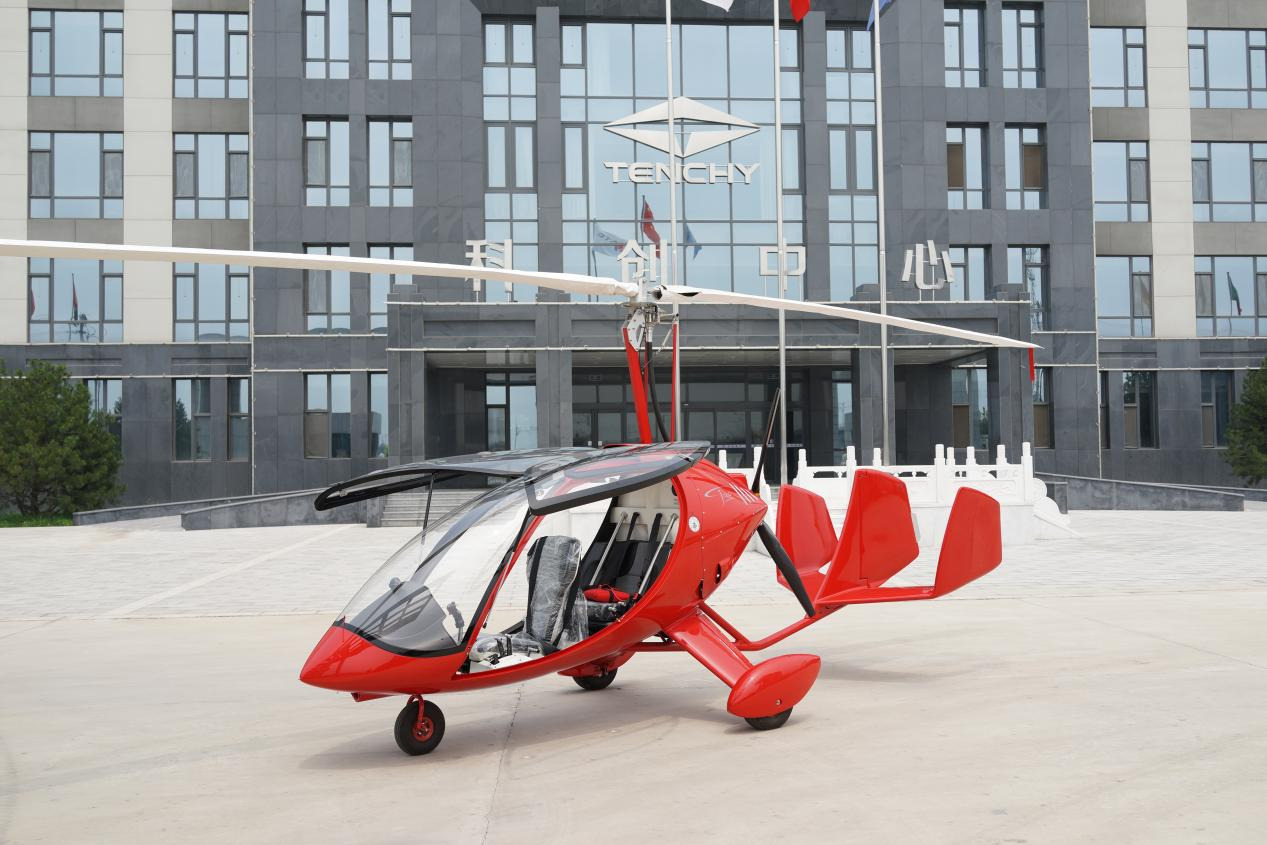
3. Fuselage and Control Surfaces
The gyroplane’s fuselage resembles that of a small fixed-wing aircraft, providing a stable structure for the pilot, passengers, and equipment. It also houses control surfaces, including a rudder for yaw (left/right movement) and elevators for pitch (nose up/down), which work similarly to those in airplanes. These surfaces, combined with the rotor’s ability to tilt (controlled by the pilot via a cyclic stick), allow for precise maneuvering—whether banking into turns, climbing gently, or descending smoothly.
4. Safety in Design
One of the most notable advantages of gyroplanes is their inherent safety. Because the rotor is unpowered, it cannot stall in the same way a fixed-wing aircraft’s wings might if airspeed drops too low. Even if the engine fails, the rotor continues to spin due to the aircraft’s forward momentum, allowing the gyroplane to glide to a controlled landing—a feature that provides pilots with peace of mind, especially in light sport scenarios.
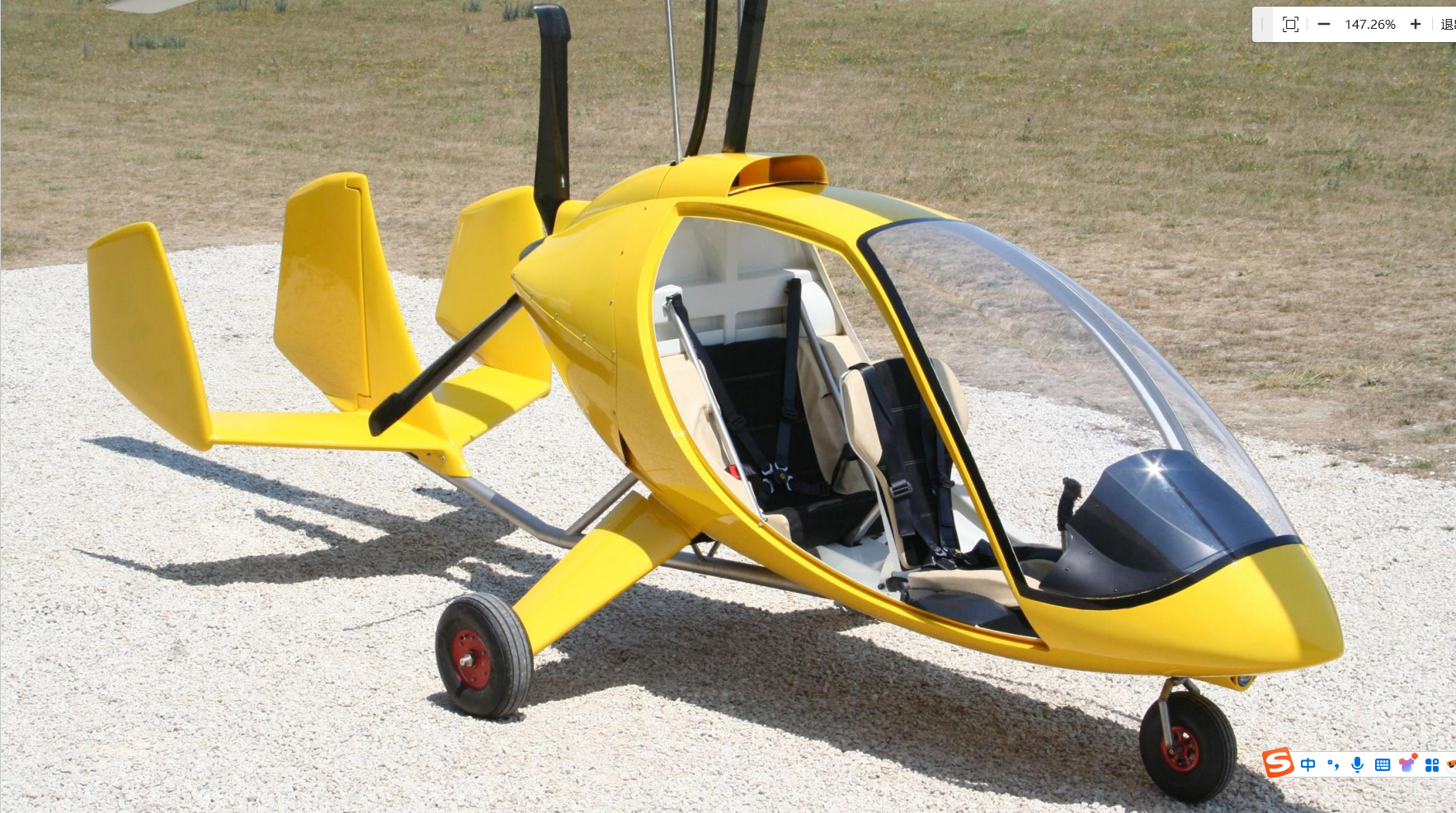
The Tongyu C100: A Standout in Light Sport Rotorcraft
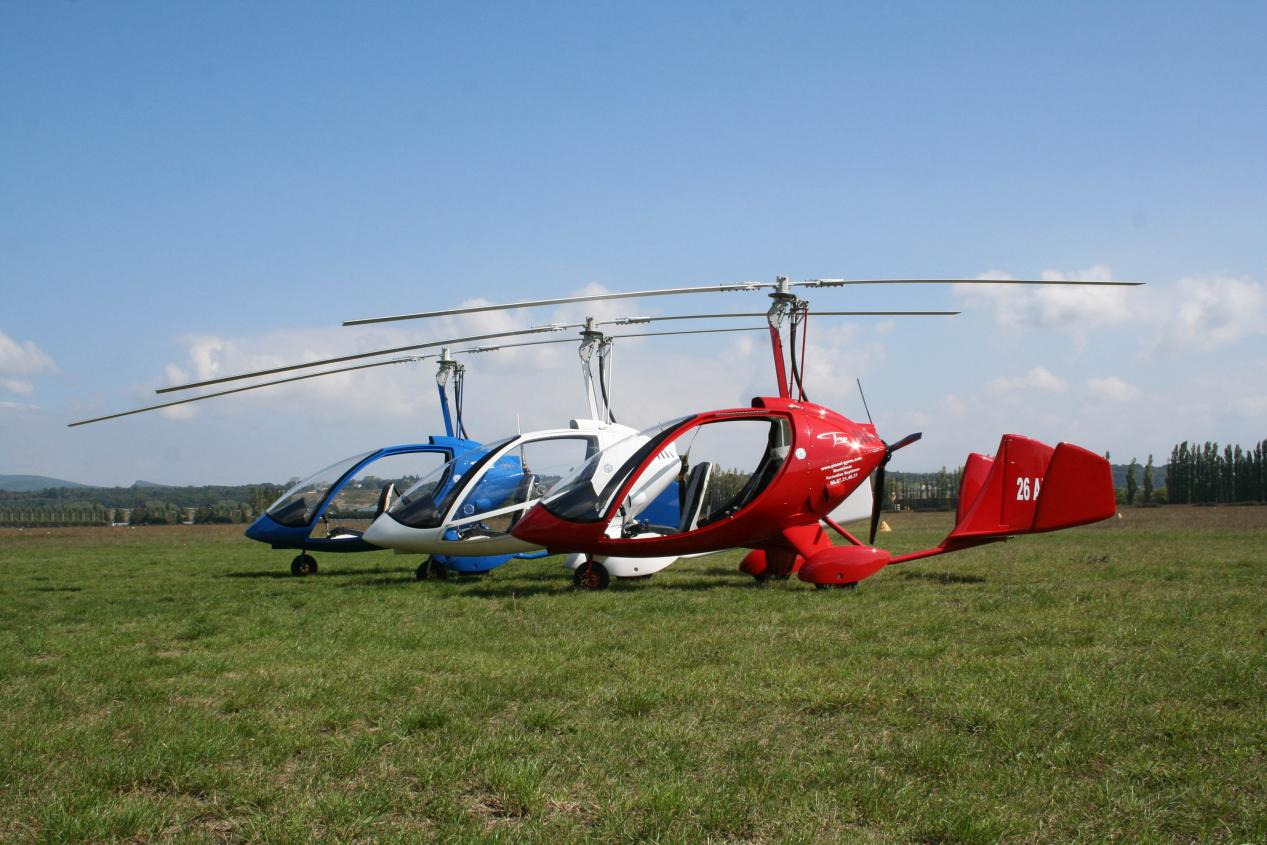
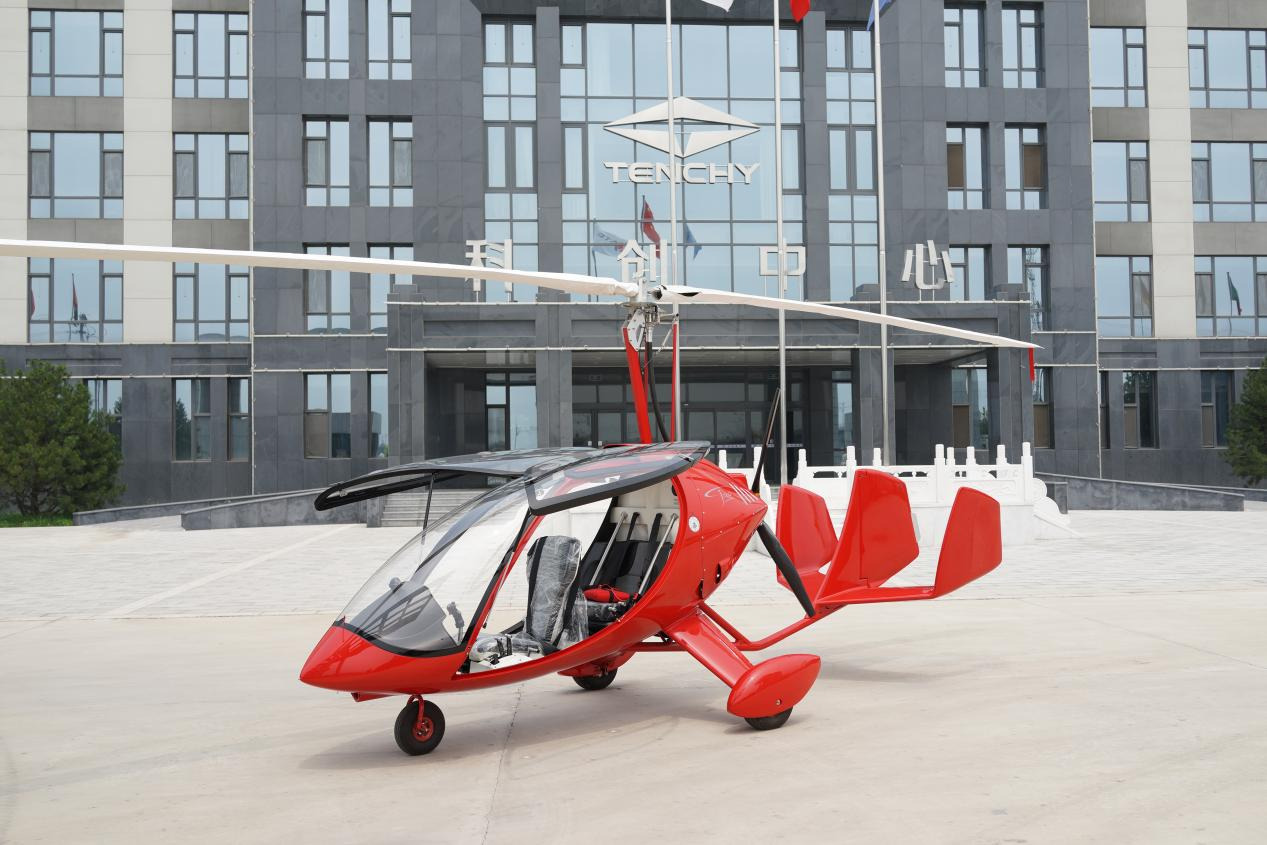
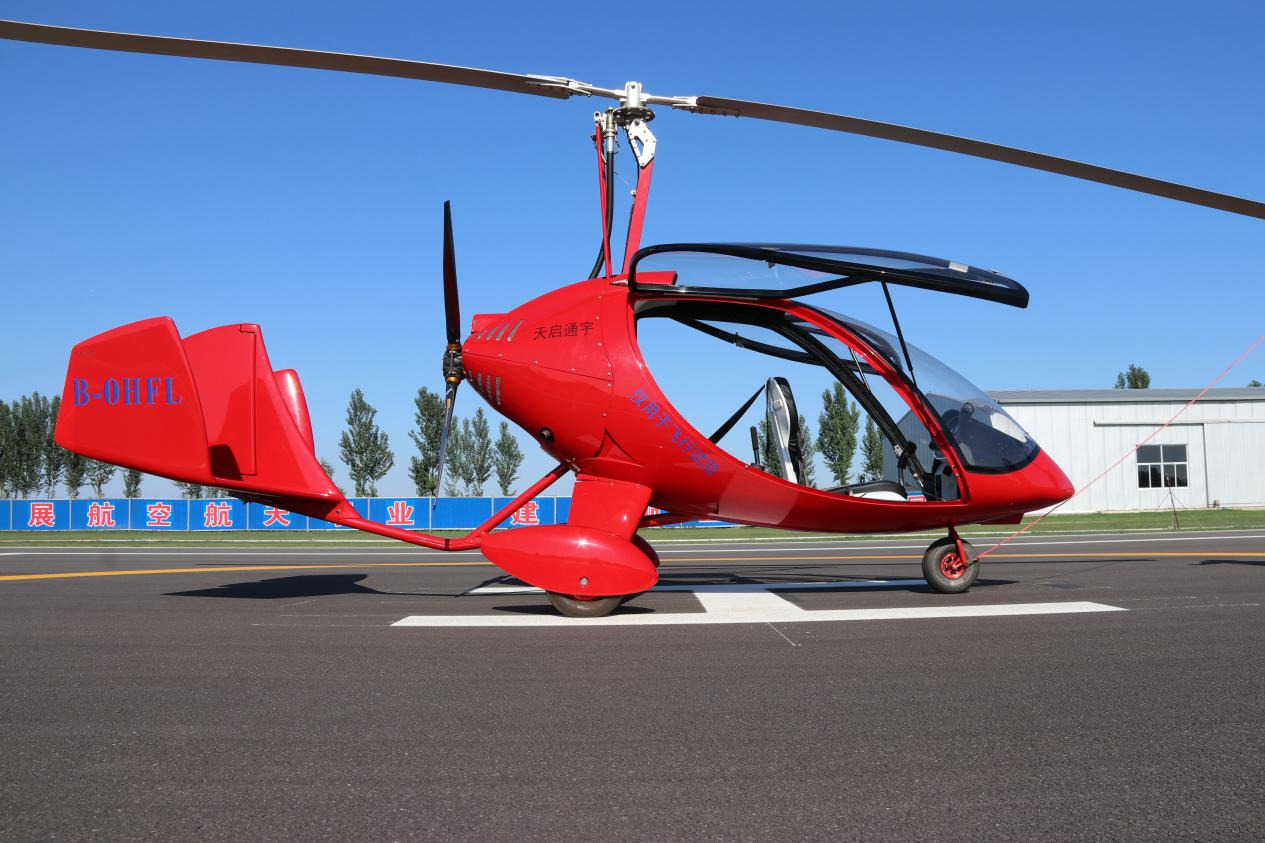
The Tongyu C100 gyroplane embodies all these principles, with design refinements that make it a leader in its class. As a light sport rotorcraft, it is engineered to be lightweight, easy to handle, and accessible to pilots with a sport pilot certificate—lowering the barrier to entry for aviation enthusiasts. Its light sport airworthiness certification is a mark of its adherence to strict standards, ensuring that every component, from the rotor blades to the engine, meets rigorous safety and performance criteria.
Whether used for recreational flying, aerial photography, or short-distance travel, the C100 excels in versatility. Its compact size allows it to operate from small airstrips or even open fields, while its efficient fuel consumption makes it an economical choice for regular use. Pilots often praise the C100 for its responsive controls and stable flight characteristics, noting that it offers the thrill of flight without the complexity of operating a helicopter.
Why Choose a Gyroplane?
For those new to aviation, or seasoned pilots seeking a different experience, gyroplanes like the Tongyu C100 offer a unique blend of benefits:
· Simplicity: Compared to helicopters, gyroplanes have fewer moving parts, making them easier to maintain and operate.
· Affordability: Lower fuel consumption, simpler mechanics, and lighter construction translate to lower ownership costs.
· Maneuverability: Their compact size and responsive controls make them ideal for navigating tight spaces or enjoying low-altitude flights over scenic terrain.
· Safety: The autorotation feature provides a safety net in case of engine issues, reducing the risk of catastrophic failure.
In conclusion, the Tongyu C100 gyroplane represents the pinnacle of light sport rotorcraft design, combining the unique advantages of gyroplane technology with meticulous engineering and certified reliability. For pilots and enthusiasts who value safety, simplicity, and the pure joy of flight, the C100 is more than an aircraft—it’s a gateway to exploring the skies with confidence. As we continue to innovate, we remain dedicated to upholding the legacy of gyroplanes, ensuring that the Tongyu C100 remains a symbol of excellence in light sport aviation for years to come.