Previous
Next
Mosquito Helicopter 14 FAQs on Price, Build Time and Factory Supply
Description
mosquito helicopter, High Safety Ultralight Helicopter For Aviation Enthusiasts And Hobby Pilots
Mosquito Helicopter FAQ Factory-Direct Ultralight Rotorcraft for Pilots and Overseas Buyers
The mosquito helicopter built by Zhonglian Aviation Co Ltd is a single-seat ultralight rotorcraft supplied from our own factory. We are the original source manufacturer, not a trading company or intermediary reseller. Every frame weld, rotor group check and bench test takes place inside our aviation workshop.
This guide answers the questions we hear most often from overseas hobby pilots, flight clubs and procurement buyers. It covers specifications, the budget for ordering this rotorcraft, how the kit is assembled, compliance steps, delivery terms and the support we offer after shipment.
You can book an on-site inspection or a live video factory tour before placing an order. We support OEM and ODM modification for buyers who need a regional layout change, a different instrument setup or a revised drive configuration.
Parameter | Standard Value | Unit | Main Material | Engine Option | Rotor Type | Fuel Grade | Registration Category |
Crew | 1 | Pilot | 4130 Chromoly steel tube | MZ202 2-stroke, 65 hp | 2-blade semi-rigid | 91 octane, 50:1 mix | Experimental / amateur built |
Empty weight | 265–275 | lb | Aluminum alloy frame | Belt reduction drive | Composite fiberglass blades | 7.0 US gal tank | Per local authority rules |
Max gross weight | 550 | lb | Heat-treated chromoly mast | Optional 4-stroke variant | Balanced main rotor set | Two-stroke premix | Builder-assembled airframe |
Main rotor diameter | 18 ft 6 in | inch (223) | Aluminum rotor hub | Splitter gearbox | 2-blade main rotor | Standard fuel system | Documented serial number |
Tail rotor diameter | 2 ft 8 in | inch (32) | Bevel gearbox housing | Shaft tail drive | 2-blade tail rotor | Sealed fuel lines | Material certificates included |
Overall length / height | 20 ft 0 in / 6 ft 10 in | inch (240 / 82) | Aluminum tail boom | Cog belt engine drive | Adjustable stabilizers | Vented tank cap | Packed in disassembled form |
What This Rotorcraft Is Built For
What exactly is the mosquito helicopter made by Zhonglian Aviation Co Ltd?
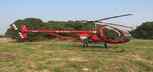
The mosquito helicopter we produce is a lightweight single-seat rotorcraft designed around the experimental amateur-built concept. The airframe uses a welded 4130 chromoly steel tube frame paired with aluminum alloy panels and an aluminum tail boom. The rotor system follows a two-blade, semi-rigid layout.
Our factory cuts, welds, machines and balances the core structural parts in-house. We do not buy a finished airframe from another supplier and re-label it. The rotor mast, hub, swashplate group and tail drive gearbox all go through our own bench inspection before packing.
Each unit leaves our workshop with a documented serial number, a parts drawing set and a builder manual. The manual is revised each quarter based on feedback we collect from builders who have already completed their machine.
Who usually buys this rotorcraft, and what use cases fit it best?
Most buyers of this mosquito helicopter fall into three groups. The first group consists of private flight enthusiasts who want to build and fly a homebuilt rotorcraft in their spare time. The second group includes small aviation clubs and local training operators looking for an affordable single-seat platform. The third group covers overseas importers who stock homebuilt rotorcraft packages for their local builder market.
Past orders from our records show a spread across North America, Western Europe and parts of Southeast Asia. A typical 2025 order from a North American private buyer included the base kit, a wheel landing gear option and a spare control cable set. A European club order covered three units with upgraded instrument panels and reinforced skid tubes.
This rotorcraft is not designed for commercial passenger carriage, heavy load lifting or aggressive aerobatic flight. Buyers who need a two-seat training machine or a commercial utility helicopter should look at a larger airframe class instead.
Core Specifications and Airframe Layout
What are the standard weight, dimension and rotor specifications?
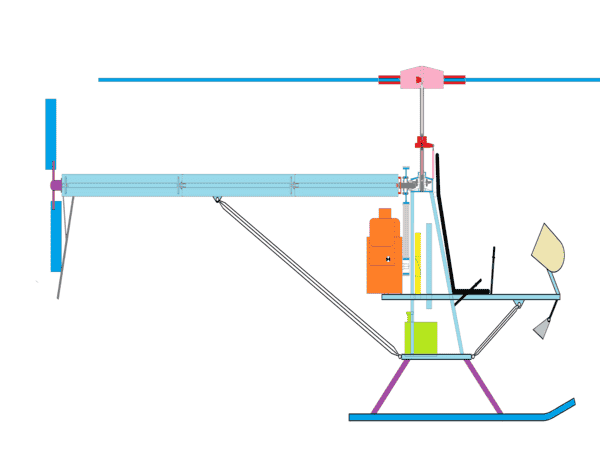
The standard mosquito helicopter keeps an empty weight between 265 and 275 lb. Maximum gross weight is capped at 550 lb. The main rotor diameter measures 18 ft 6 in, and the tail rotor diameter is 2 ft 8 in. Overall length is 20 ft 0 in, with an overall height of 6 ft 10 in.
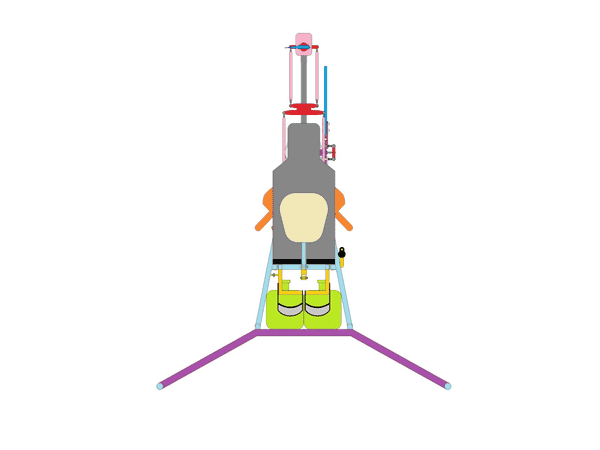
Airframe length, excluding the rotors, is about 16 ft 0 in. The tail boom alone runs 9 ft 2 in. Skid-to-skid width is 6 ft 0 in. These figures come from our current production drawings, last updated in May 2024 and checked again during the 2025 production review.
Weight and dimension numbers can shift slightly when optional parts are added. A buyer who orders wheel gear, an auxiliary fuel tank or a wider instrument panel will receive an updated weight sheet before production starts. Our 2025 shipment records show 92% of delivered kits matched the drawing weights within a 5 lb tolerance.
Which engine, transmission and rotor system come with the airframe?
The standard package uses the MZ202 two-cylinder two-stroke engine rated at 65 hp at 6,000 RPM. Fuel runs on 91 octane gasoline mixed at a 50:1 two-stroke ratio. Fuel capacity is 7.0 US gallons. Buyers can discuss a four-stroke alternative during quotation, depending on local availability and spare parts support in their region.
The transmission uses a cog belt from the engine to the splitter gearbox. The splitter gearbox drives the main rotor through shaft or belt arrangement and sends tail drive power through a separate shaft. The tail rotor turns through a bevel gearbox at the end of the boom.
The main rotor blades are composite fiberglass, pre-balanced at the factory. The hub is aluminum alloy for a two-blade layout, and the mast is chromoly steel that has been heat treated. The swashplate assembly carries two bearings, with three adjustable control links feeding the rotor head.
What materials are used in the frame, blades and control system?
The frame of this mosquito helicopter is welded from 4130 chromoly steel tube. The tail boom and many structural brackets use aluminum alloy to keep weight down. The landing skids are steel tube, with an optional skid-and-wheel arrangement for operators who need ground roll.
Rotor blades use a wood core with composite covering on the main set. The tail rotor blades use aluminum or composite construction depending on the production batch. Seats have an aluminum frame with padded canvas or vinyl covering.
Control input runs through push-pull tubes and bellcranks for the main controls, with control cables where flexible routing is needed. Fasteners follow a metric standard. Every structural fastener in the kit is listed in the hardware pack, so builders do not need to source bolts locally unless a custom modification changes the layout.
Budget and the Cost of Mosquito Helicopter Orders
What makes up the cost of mosquito helicopter for an overseas buyer?
The cost of mosquito helicopter is built from three clear layers. The first layer is the base kit price, covering the airframe, rotor system, engine group, transmission, controls, seat, skids and standard hardware. The second layer covers selected options, such as instrument upgrades, wheel gear, extra fuel capacity or a different drive setup. The third layer covers export packing, international freight, destination port charges and local customs duty.
We quote each order on a line-item basis. The quotation separates kit value, packing cost and freight estimate so a buyer can compare budget without hidden bundling. The final price for a buyer in North America will differ from a buyer in the EU because freight distance, port handling and duty rules are not the same.
Engine choice is the biggest single option that moves the total order price upward. The two-stroke standard engine keeps the base price lower, while a four-stroke variant raises the figure because of the power unit itself and the matching exhaust and mounting parts.
Are there hidden fees beyond the listed cost of mosquito helicopter kit?
We do not add undisclosed fees after an order is confirmed. Once the buyer approves the proforma invoice, the listed kit price, packing charge and production terms are fixed. Any change requested by the buyer after production starts is quoted separately before the extra work begins.
The buyer should still plan for costs we cannot control from the factory side. These include international freight if the buyer uses their own forwarder, customs duty, import VAT, local inspection fees, registration paperwork costs and any tools or workshop supplies the builder needs.
Local flight school fees and simulator time are also separate from the kit purchase price. We mention this early because some first-time buyers assume the machine price covers training, and it does not.
Can buyers compare the cost of mosquito helicopter against other homebuilt rotorcraft?
Yes, and we encourage buyers to compare. When comparing the quoted price with other homebuilt rotorcraft, look past the headline price and check what is included. Compare whether the engine, rotor blades, control cables, hardware pack and builder manual are inside the quoted kit, or sold as separate add-ons.
Also compare the support side. Check whether the supplier keeps spare parts in stock, supplies assembly drawings in English, answers technical questions after shipment and can provide reference cases from builders in your region. A lower headline kit price that lacks manuals or spare parts often costs more over the build cycle.
Our internal sales notes from 2025 show that several buyers started by comparing three or four kit options, then returned to us because our factory-direct pricing, English manual and video build guidance made the total build cost easier to predict.
Kit Helicopter Assembly, Timeline and Custom Options
How long does it take a first-time builder to finish this kit helicopter?
A builder with basic metalwork and mechanical experience usually spends 180 to 220 hours completing this kit helicopter. A first-time builder with no rotorcraft background often takes 280 to 350 hours. The range depends on workshop space, tool access, how much time is available each week and whether outside help is used.
Our builder manual breaks the assembly into stages: frame preparation, engine and transmission fit, rotor head build, control routing, fuel system, tail boom and tail rotor, instrument panel and final check. Each stage lists the required fasteners and the torque values to apply.
Builders who follow our short video clips for tricky steps, such as swashplate alignment and rod end setup, tend to finish faster. Our internal records show this group cut assembly time by roughly 20% compared with builders who work from printed drawings alone.
What assembly traps do new builders usually run into, and how do we help?
One recurring problem we see is improper rod end adjustment leading to stiff or binding controls. When the control links are set too short, the control stick feels tight and the linkage does not move freely through its full range. This issue shows up during ground control checks, before any engine run.
Another common trap is uneven belt tension on the transmission. A belt that is too loose slips under load; one that is too tight wears the bearings early. Our manual marks the correct deflection range and shows a simple finger-pressure check builders can repeat after every ten flight hours.
We also warn against tightening rotor blade bolts to a guessed torque. The manual lists the exact torque values for the mast, hub and blade retainers. Our engineering team reviews builder photos from each build stage when a buyer sends them in, and flags a setup that looks off before the machine moves to engine run.
What OEM and ODM changes are possible on this kit helicopter?
We accept targeted modification for this kit helicopter. Common OEM requests include a different instrument panel layout, adjusted fuel tank volume, reinforced skid structure, alternate belt or direct drive setup, and local-market color or covering changes. ODM work covers deeper layout changes where a buyer needs a revised control position or a modified tail boom fitting.
Every custom request goes through a drawing review and a structural check before production. If a proposed change goes against the airframe's load limits, we say so plainly and suggest a safer alternative. We do not promise a modification we cannot verify on paper.
Custom drawings, revision records and part numbers are archived with the order serial number. This keeps spare parts matching correct years later, when a buyer may need a replacement bracket or control cable from a later production batch.
Compliance, Safety and Training for Overseas Buyers
Which aviation rules apply to this mosquito helicopter in the USA and EU?
In the United States, this mosquito helicopter is treated as an experimental amateur-built rotorcraft under FAA rules. The builder is expected to complete the majority of the assembly work to qualify for an amateur-built airworthiness certificate. After that, the local FAA office or designated examiner handles inspection and certification.
In the European Union, rules differ between member states. Some countries follow a simplified ultralight framework, while others apply a heavier amateur-built or homebuilt inspection path. Buyers in the EU should contact their national civil aviation authority before purchase and confirm which category this rotorcraft can be registered under locally.
We supply factory material certificates, component drawings, the bill of sale and the serial number statement to support registration paperwork. We do not issue airworthiness certificates; that step belongs to the local aviation authority. Our documents prove origin and material specification, not flight approval.
What pre-flight checks and maintenance schedule does this rotorcraft need?
Before each flight, the pilot checks rotor blade condition, control linkage free movement, fuel line tightness, clutch function, belt condition and skid or wheel security. Any play in the rotor head, any frayed cable or any fuel smell under the tank should be fixed before the engine is started.
Every 25 flight hours, the machine gets a deeper check. This covers bolt torque values, drive belt wear, rod end play, exhaust mounting and fuel filter condition. At 50 hours, the gearbox and tail drive bevel gear get an inspection, and the oil or grease service interval is followed as listed in the manual.
We collect failure feedback from our global builder group and fold repeated issues into the maintenance checklist. One frequent note over the last two years was loose tail rotor bolts after rough ground runs; we now mark this check as a required step in the 25-hour inspection.
What training or experience should a builder have before flying?
Building this kit helicopter and flying it are two separate skills. A builder can learn the mechanical assembly with our manual and support, but flying a rotorcraft requires licensed instruction and suitable local training time. We recommend every new owner train in a certified two-seat helicopter or an approved rotorcraft trainer before moving to their own machine.
If the buyer has no prior rotary-wing experience, arranging local instruction early avoids a situation where a finished machine sits in a hangar without a qualified pilot. Even experienced fixed-wing pilots need conversion training because rotorcraft control response, autorotation practice and hover handling are different.
Our factory support covers build questions and parts, not pilot instruction. We can point buyers to general training resource categories, but the actual flight training must be arranged through a school approved in the buyer's own country.
Delivery, After-Sales and Factory Visit Arrangements
What is the lead time after a confirmed order for this kit helicopter?
Standard production lead time for the base mosquito helicopter kit is 30 to 45 working days after deposit confirmation. A custom modified order usually takes 55 to 70 working days, depending on how many drawings need revision and how long special parts take to machine.
Production runs in stages. We send photo updates at the frame weld stage, rotor balance stage, engine fit stage and packing stage. Buyers can track progress without waiting until the full machine is finished.
The kit helicopter is packed in disassembled form to fit standard sea freight containers. Every component is tagged with its drawing number so unpacking and sorting match the manual's parts list. Packing foam and cardboard protect machined surfaces during ocean transit.
Can I inspect the factory in person or through a live video tour?
Yes. We welcome buyer visits to our facility. You can submit an appointment request in advance, and we will arrange the visit around our production schedule. During an on-site inspection you can see raw material stock, the CNC machining area, the rotor balancing test bench, the weld shop and the finished kit storage area.
If travel is not convenient, we arrange a live video factory tour. The video call shows the same workstations, demonstrates rotor group testing and walks through past finished kit cases. Many importers record the tour for their internal purchasing review before placing a bulk order.
We sell direct from the factory, so there is no middleman mark-up between our workshop and the buyer. Visiting buyers talk directly with production staff and the sales engineer handling their order, rather than through an external agent.
What spare parts and technical support do we provide after shipment?
Every kit helicopter sold from our factory includes long-term technical consultation. Our engineering team answers assembly questions by email or scheduled video call, and responds to build-stage photo reviews within working hours. Common wearing parts, such as control cables, gaskets, exhaust pipes, rod ends and belt sets, are kept in stock for separate shipment.
Spare parts can be dispatched at any time after the order. We retain the original drawing archives for every production batch, so replacement parts match the original fitting rather than a later redesigned version unless the buyer agrees to a revision update.
If a buyer reports a structural concern, our team first asks for photos, the serial number and the flight hours on the machine. This lets us judge whether the issue is a setup problem, a wear item or a parts defect, and recommend the correct fix instead of shipping a generic replacement.
What documents are supplied for customs clearance and registration?
Each shipment includes a factory packing list, material certification, bill of sale, component drawing set and serial number statement. We prepare these documents to match the customs requirements of the destination country where the order details are confirmed.
For buyers who need extra paperwork, such as a commercial invoice in a specific format or a certificate of origin, we can prepare it during the document stage before shipment. Any special document request should be noted when the order is confirmed, so it can be added without delaying production.
These documents support customs entry and local registration, but they do not replace the local authority's own inspection or certification process. Buyers should keep the full document folder with the airframe records for future resale, inspection or parts matching.
Contact Us for a Quotation or Factory Visit
Send your requirement to our sales team to receive a tailored quotation for the mosquito helicopter package. Share your target country, preferred engine type, option list and any compliance questions you have. We will reply within 24 working hours with a line-item price, production schedule and the documents we can supply.
You can also reserve an on-site factory visit or a live video tour slot before committing to an order. Our team can share verified reference cases from builders in North America and Europe, along with build-hour and weight data from recent shipments.
Whether you are a private hobby pilot planning your first build, a club looking for a single-seat platform, or an importer arranging a kit helicopter line for your local market, our factory-direct team can match the kit to your budget and your regional rules.
Reference and Further Reading
For general background on this rotorcraft category and homebuilt helicopter history, you can review the public encyclopedia entry covering the mosquito helicopter design and its typical single-seat ultralight layout. The entry outlines the broader experimental rotorcraft context without replacing the manufacturer's own manual.
For United States buyers, the FAA amateur-built aircraft guidance explains the experimental category, the major-assembly rule and the inspection path after completion. The EAA homebuilt aircraft overview adds builder-side reference material on assembly logs and inspection preparation.
For EU buyers, the EASA light aircraft materials provide the starting point for checking how national authorities classify light rotorcraft. These official pages are outside our control, and rules should be confirmed with the authority in your own country before purchase