Previous
Next
Experimental Helicopter 8 Things to Know Before Buying Kit Helicopter
- Source factory guide for experimental helicopter buyers. Learn CKD shipping, maintenance schedules, comparison with mosquito helicopter and kit helicopter. Book factory inspection or video tour. For a deeper technical reference on rotorcraft design and homebuilt construction, review the public experimental helicopter background on Wikipedia. Regulatory expectations for amateur-built rotorcraft in Europe and the United States are published by the EASA and the FAA
Description
Experimental Helicopter: 7 Key Facts on Importing a CKD Kit Helicopter
Who We Are and What This Experimental Helicopter Guide Covers
Zhonglian Aviation Co., Ltd is a source factory building helicopters for overseas buyers. We are not a trading company. Every experimental helicopter covered on this page leaves our own production line, and we sell it directly to kit builders, flight research teams, amateur helicopter constructors and small rotorcraft operators abroad. You can book an on-site factory visit, or join a live video walkthrough of our workshop before you place an order.
This guide walks through our F27 experimental helicopter platform, the CKD delivery mode we use, the maintenance interval schedule our field team follows, and how our rotorcraft compares with the mosquito helicopter class and a typical kit helicopter on the market. If you are sourcing a rotorcraft for private sport flying, rotorcraft research, homebuilt assembly or a light utility project, this page should help you shortlist the right option before contacting us.
All figures below come from our current maintenance schedule and reference airworthiness paperwork for the F27 platform. Hour limits, part codes and assembly notes follow our shop records. Confirm the latest revision with our sales engineer when you request a quotation.
The rotorcraft described here are piston-powered light units supplied for experimental and amateur-built use. They are not certified for commercial passenger operations. Buyers needing a type-certified production helicopter should look at certified manufacturers instead. Our rotorcraft target builders, researchers and experimental program operators who understand rotorcraft assembly.
Buyers who reach us usually fall into three groups: amateur constructors building a private sport rotorcraft, research teams developing or testing rotorcraft configurations, and small operators looking for an experimental helicopter they can maintain locally. This guide is written for those three groups. It compares our experimental helicopter against the mosquito helicopter class without overstating certification status, and it keeps every claim tied to the F27 schedule we hold in our shop.
Understanding the Experimental Helicopter Category Before You Order
Before comparing any experimental helicopter, it helps to know what the category means in practice. In most regulatory systems, an experimental or amateur-built rotorcraft is registered for non-commercial, research, sport or homebuilt use. It is not approved to carry paying passengers. Flight rules, maintenance records and operating limits are set by the local civil aviation authority.
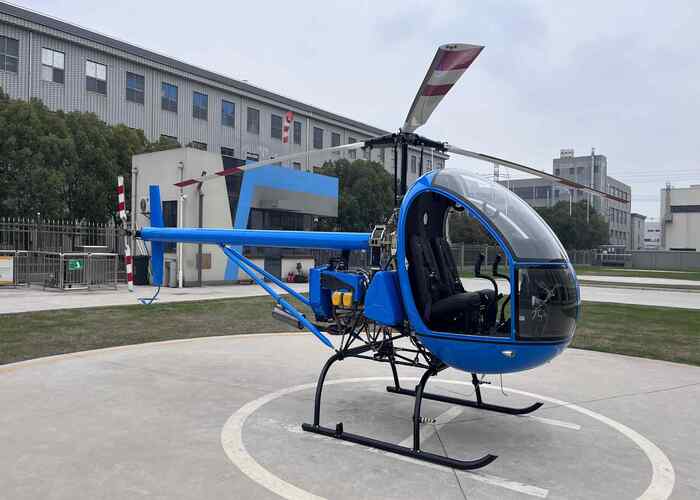
Our reference F27 airframe operates under an experimental category airworthiness certificate issued by the regional civil aviation authority. The certificate classifies the airframe as an amateur-built aircraft. Its remarks are clear: the rotorcraft must not carry passengers in any form, and it must be operated within the approved limitations listed for that airframe. Buyers should expect the same kind of restriction in their own country.
The paperwork trail matters more than a marketing label. When you order a rotorcraft from us, you receive the parts list, assembly drawings, maintenance schedule and the records tied to your airframe serial number. Local registration still depends on your national authority. We help prepare the technical documentation that supports your application, but we cannot register the rotorcraft on your behalf or override local rules.
A mosquito helicopter is a popular light rotorcraft name in this amateur-built space, and many buyers arrive searching that term without knowing the exact certification status of what they are buying. Whether the experimental helicopter option you compare falls into the experimental, ultralight or homebuilt class depends on its registration and your national rules, not on the product brochure alone.
Registration and Operating Limits to Expect
An experimental helicopter does not carry the same operating freedom as a certified production rotorcraft. Flight hours, flight area, passenger rules and maintenance records are usually tracked by the registering authority. Before you import any rotorcraft, confirm what your authority requires for amateur-built registration: builder involvement, inspection stages, test flight limits and documentation. A mosquito helicopter sold as an ultralight in one country may fall under a different experimental rule in another, so check the destination rule, not the seller's home market label.
Our F27 Kit Helicopter Platform and Its Design Basis
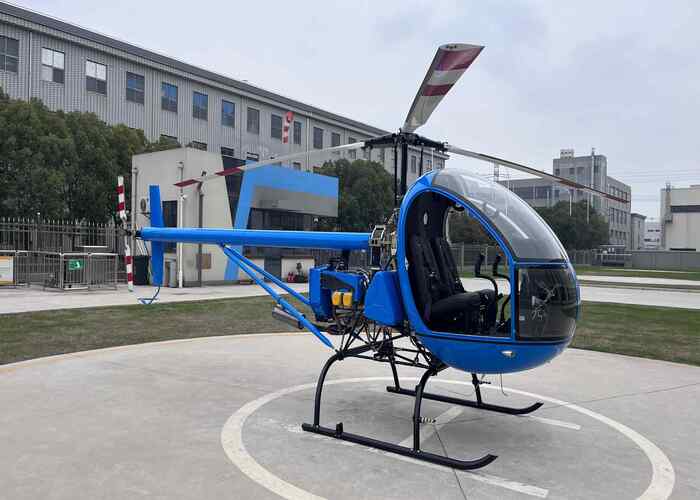
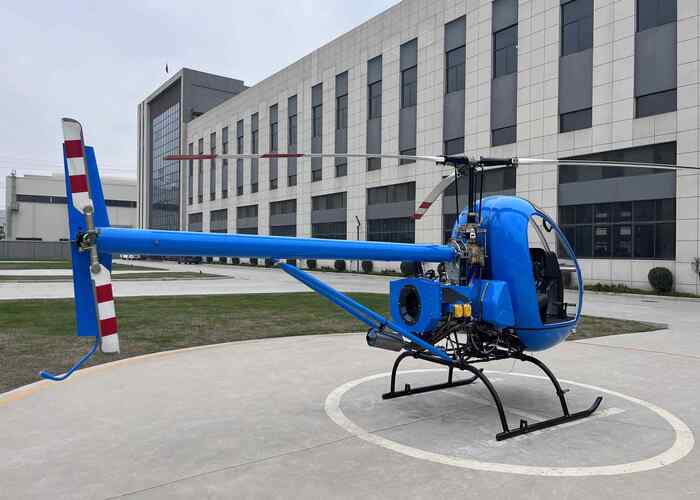
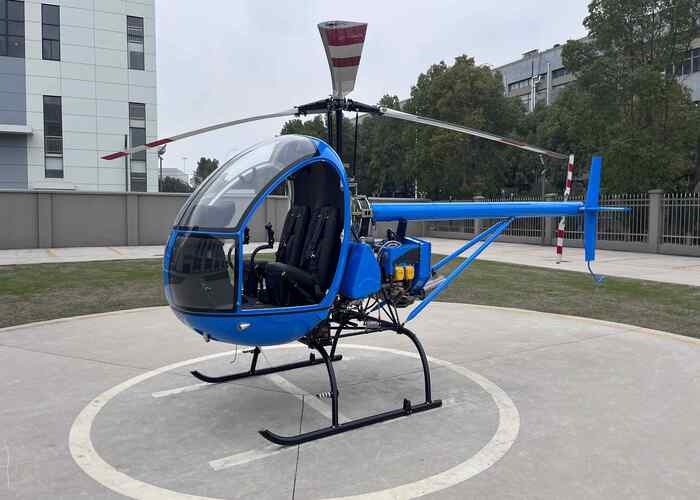
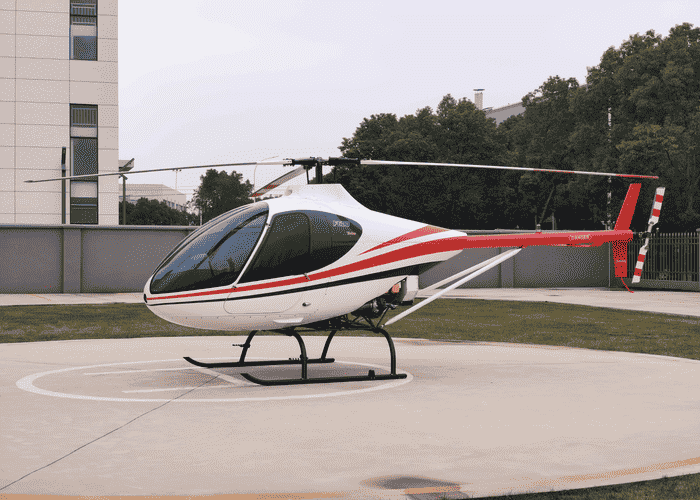
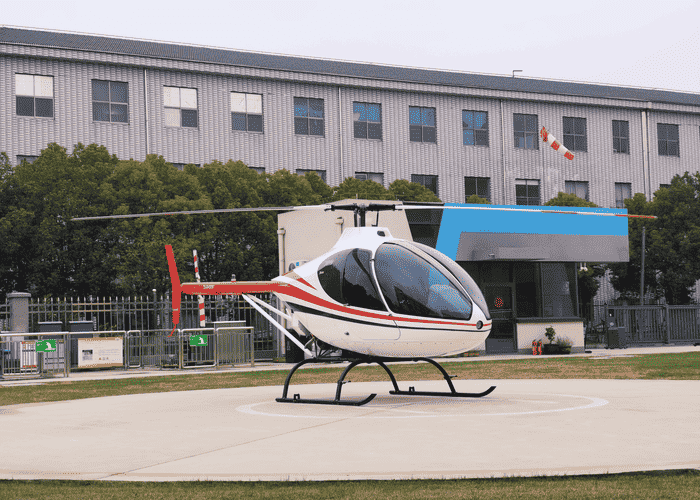
The F27 is the experimental helicopter platform this article references. It is a light helicopter built around a piston engine, a belt-driven main rotor system and a tail rotor drive line. The airframe is supplied for experimental and amateur-built assembly, with parts packaged in the CKD format described in the next section.
The main rotor system uses three main rotor blades, drag straps, dust boots, flapping angle bearings and flapping connection links listed in our parts schedule. The rotor head sync ring is serviced with grease on a short interval. The main rotor drive runs through belt pulleys, a tensioner, rod ends and a one-way main shaft bearing, with control spherical bearings and main gearbox bearings in the drive train.
The tail rotor drive line uses a tail gearbox, tail rotor blades, tail gearbox seal, tail drive shaft, shaft coupling plates, shaft bearings and a tail pitch cable. The controls include main rotor pitch rods and tail rotor pitch rods. The powerplant couples to the drive train through an engine coupling, with an exhaust pipe and muffler on the exhaust side. The EJ25 engine package includes a water pump in the scheduled replacement list.
These are the systems a builder has to understand before first flight. Our assembly drawings and maintenance schedule map each part to its code and hour limit. For a first-time builder, working through this list during assembly is also the fastest way to learn where every load path and control line runs.
What Comes in the F27 Package
The F27 experimental helicopter is packed as a CKD set: frame and mounts, engine and coupling, main rotor and head parts, tail rotor drive line, control rods, exhaust, fuel and electrical components, fasteners and the maintenance schedule. Each part carries the code listed in our schedule so the builder can cross-check it against the packing list. This kit helicopter is not sold as a fly-away certified rotorcraft; it is an assembly project supported by factory drawings and records.
CKD Delivery: How a Kit Helicopter Ships and Gets Assembled
What CKD, Complete Knocked Down, Means
CKD stands for Complete Knocked Down. It means the helicopter is delivered in parts, not as a fully assembled airframe. The experimental helicopter arrives disassembled, and assembly takes place at the destination according to the instructions we provide. Each CKD package arrives with a parts list, assembly sequence, fastener schedule and the maintenance intervals recorded for that platform.
Why We Ship Helicopters in CKD Form
The first reason is shipping space. Helicopters are large in size. Disassembling the airframe into parts reduces the volume occupied during transport, so containers and trucks hold the shipment more efficiently. A boxed CKD rotorcraft packs into a fraction of the space a crated assembled experimental helicopter needs, which lowers freight handling effort.
The second reason is cost. Smaller, lighter parts are easier to handle and need less specialized transport equipment than a whole helicopter. CKD shipment can lower shipping cost compared with moving the complete airframe. In some importing countries, parts also carry lower import duties than a finished kit helicopter, which reduces the overall landed cost for the buyer.
The third reason is hands-on knowledge. Assembling the kit helicopter locally from the provided instructions gives the builder a direct understanding of its structure and maintenance. The person who bolts the frame together, tensions the belts and sets the controls already knows where every component lives before the first maintenance check becomes due.
Assembly Support From the Factory
If technical support is needed during assembly, our professional team provides timely assistance. Whether your background is a mosquito helicopter build or a first-time CKD project, the support line stays open through the build. We review assembly photos, torque sequences, belt tension, rotor balance and control setup by email or scheduled video call. Parts that arrive damaged or mismatched are identified against the CKD kit helicopter list and replaced under the agreed terms.
The assembly process follows a fixed order: frame and mount, engine coupling, main rotor drive, tail drive line, controls, fuel and exhaust, then pre-run checks. Skipping ahead to rotor installation before the drive train is aligned is a common first-time builder mistake. We keep the assembly sequence documented so the rotorcraft can be built step by step without guessing the order.
How Our Experimental Helicopter Compares With Mosquito Helicopter and Kit Helicopter Options
The table below compares our F27 experimental helicopter against the mosquito helicopter class and a typical kit helicopter on dimensions that matter to a B2B buyer: engine, rotor, delivery mode, assembler, mission, fuel, maintenance basis, support and registration route. Figures for the comparison classes are described at category level; confirm exact specs with the supplier you compare against.
| Comparison Item | Our F27 Experimental Helicopter | Mosquito Helicopter Class | Typical Kit Helicopter | Buyer Note |
|---|---|---|---|---|
| Platform type | Light piston rotorcraft, experimental/amateur-built | Light single-seat sport rotorcraft class | Plans or kit-built amateur rotorcraft | Confirm category in your country |
| Engine | Piston EJ25 package, belt-driven main rotor | Usually small piston or two-stroke in light class | Varies by supplier and build | Match engine to mission and altitude |
| Main rotor | Three main rotor blades, sync ring, drag straps | Usually two-blade light rotor head | Rotor layout varies by design | Check balance and bearing schedule |
| Delivery mode | CKD, complete knocked down, shipped in parts | Often kit or plans shipment | Kit, parts or plans package | CKD lowers freight volume and duty |
| Assembler | Local builder follows factory drawings and sequence | Owner or local builder | Owner assembles per kit instructions | Factory team supports assembly remotely |
| Typical mission | Sport flying, research, light utility experimental use | Private single-seat sport flying | Private build, sport or project use | No commercial passenger carriage |
| Fuel and lubrication | Per engine manual; gearbox oil 200-hour schedule | Per engine manufacturer | Varies by installed engine | Follow grade and change interval |
| Maintenance basis | Fixed part codes and hour limits from F27 schedule | Schedule varies by model and supplier | Usually supplier-provided schedule | Keep a logged maintenance record |
| Factory support | Direct engineering contact, drawings, parts, video support | Support often via community or vendor | Support level varies widely | Ask who answers after-sales first |
Read the comparison with your own mission in mind. A buyer who wants a light single-seat sport machine may look at the mosquito helicopter class first. A buyer building a research rotorcraft or a two-seat experimental airframe will compare a full kit helicopter package. Our F27 experimental helicopter is positioned for buyers who want factory parts, a documented maintenance schedule and direct engineering support rather than a reseller middleman.
How the Mosquito Helicopter Class Compares
The mosquito helicopter class covers light, small rotorcraft often chosen for single-seat sport flying and homebuilt projects. A mosquito helicopter build usually centers on a compact single seat. Buyers searching that term usually want a compact machine with simple maintenance and a lower build budget. Our F27 experimental helicopter sits in a heavier documented-package position: it ships as a factory CKD kit helicopter with a fixed maintenance schedule and direct engineering contact, rather than a plans-only or minimal kit design. Each experimental helicopter in this line ships with a documented maintenance schedule.
When comparing a mosquito helicopter option against our F27 package, check four points first: engine configuration, rotor and drive layout, what is included in the box, and who answers support questions after assembly. A light mosquito helicopter may suit a simple single-seat build; a research or two-seat experimental helicopter project usually needs the parts depth and records our CKD package provides.
Maintenance Hours and Replacement Intervals on the F27 Platform
Main Rotor and Rotor Head Parts
The main rotor system follows the hour limits in our parts schedule. Main rotor drag straps, dust boots, flapping angle bearings and flapping connection links are scheduled at 500 hours. The main rotor blades are scheduled at 1000 hours. The rotor head sync ring receives grease every 30 hours. These intervals are logged against the airframe serial number so replacement can be planned before the limit is reached.
Rotor Drive and Tail Rotor Drive
On the main rotor drive, upper and lower pulley bearings are checked or replaced at 150 to 200 hours. The drive belt is scheduled at 150 hours, the tensioner at 500 hours, the tensioner push-rod rod ends at 500 hours, the tensioner side bearings at 300 hours, and the main shaft one-way bearing greased at 200 hours. Control spherical bearings are scheduled at 500 hours, and main gearbox bearings at 2000 hours.
On the tail rotor drive, tail gearbox bearings are scheduled at 1000 hours, tail rotor blades at 2000 hours, the tail gearbox seal at 200 hours, the tail drive shaft at 500 hours, shaft coupling plates at 500 hours and shaft bearings at 500 hours. Main and tail gearbox oil are changed at 200 hours. The tail pitch cable is scheduled at 1000 hours with grease every 30 hours, and tail hub swing bearings at 200 hours.
Controls, Powerplant and Exhaust
The main rotor blade pitch rods are scheduled at 800 hours, and the tail rotor blade pitch rods at 500 hours. The engine coupling is checked at 300 hours. The exhaust pipe and muffler are each scheduled at 500 hours. On the EJ25 engine package, the water pump is scheduled at 1000 hours. These intervals form the maintenance baseline an experimental helicopter operator uses to plan parts stock and downtime.
Maintenance records should match the parts schedule on your specific airframe. When you reorder a sensor, bearing, belt or seal, the part code and hour limit are checked against the build record. Substituting a generic part outside the schedule can change the loading on adjacent components, so keep the part references from the manual rather than swapping by size alone.
Field Notes: Assembly and Commissioning Lessons We Have Recorded
Over past CKD shipments, our team has supported rotorcraft assembly for private builders, research projects and experimental helicopter operators. Some buyers came from a mosquito helicopter background. Most buyers send photos of the frame, mounts, drive train, controls and instrument readings before first run. The lessons below come from those commissioning cycles, not generic brochure advice.
The first recurring issue is belt tension. The main drive belt sits between pulleys and the tensioner. Too loose, it slips under load; too tight, it loads the pulley bearings and wears them early. Follow the tensioner setting in the manual, and recheck tension after the first break-in hours. A belt installed by feel alone is a common cause of early replacement in a CKD experimental helicopter.
The second issue is rotor balance. The main rotor blades and tail rotor blades must be balanced within the limits the manual sets. Unbalanced blades feed vibration through the head, the gearbox and the airframe. A kit helicopter that skips the balance check before first flight often shows vibration later as worn bearings and loose fasteners.
The third issue is torque on mounts and control links. Engine mounts, coupling bolts, pitch rods and rod ends all follow a torque sequence. Re-torque after the early break-in period, then re-check at scheduled intervals. Loose control hardware on an experimental helicopter is a flight-safety item, not a comfort issue.
The fourth issue is lubrication schedule. The sync ring, one-way bearing, tail pitch cable and tensioner points all have grease intervals that are shorter than the major component replacement hours. Missing a grease point does not show up immediately, but it shortens bearing and cable life over time. Keep a maintenance log for every experimental helicopter so intervals are not missed between flights.
Internal detail buyers rarely see: each CKD package is packed against a packing list tied to the airframe serial. Before assembly starts, check off every part against that list. Missing fasteners or hardware found mid-assembly delay the build more than a one-time check at unloading. Our export desk packs spare fasteners and common wear parts with the kit where the order specifies them.
Fuel and fluid checks are the third recurring topic. Use the fuel grade and oil specification listed for the engine package, and keep gearbox oil changes on the 200-hour schedule. Stale fuel or wrong-grade oil in a CKD experimental helicopter shows up as rough running or wear that looks like an engine fault, when the real cause is fluid quality.
Documentation discipline matters through the whole build. Log every torque, balance check, grease point and part replacement against the serial number. When an inspector or a future maintenance technician reviews the rotorcraft, that log is the proof the experimental helicopter was assembled and serviced to schedule. A kit helicopter without a clean logbook is harder to register, resell or maintain safely.
Why Buy Direct From Our Factory Instead of a Trader
A trading company resells rotorcraft assembled by someone else, so it rarely holds the build records, parts schedule or engineering access behind the product. When you buy an experimental helicopter from our factory, the team that packed and tested the kit answers your technical questions. You get the parts list, the maintenance schedule, the assembly drawings and direct contact with the engineer assigned to your order.
Direct sourcing shortens the change loop. If your installation needs a revised mount, a different control rod length or a special electrical layout, the request goes straight to our engineering team. Through an intermediary, that message passes through two or three hands and details often get lost. For a specialized rotorcraft build, that delay can cost weeks on the assembly schedule.
We also keep parts tied to the model line. When you reorder a belt, bearing, seal or pitch rod, the reference matches the actual build record of your rotorcraft. Indirect resellers often substitute generic parts, which can create fit and balance problems later. Buying a mosquito helicopter-class alternative through a reseller means your support chain sits between you and the original builder; buying direct keeps that chain short.
Factory inspection is available before you commit. You can visit the plant, inspect assembly areas and parts stock, and talk to the engineer assigned to your kit. If travel is not practical, we arrange a live video tour of the workshop and current CKD packages being prepared. A source factory that will not open its doors after deposit is a risk; we offer both options to reduce that risk for overseas buyers.
Price through a trader often hides where parts came from and who stands behind them. Our quotation lists the factory-built CKD package, the included parts and the support terms. You know upfront whether you are buying an experimental helicopter directly from the manufacturer or a resold rotorcraft that passed through an intermediary. If you compare a mosquito helicopter price online, ask who holds the parts schedule and who will answer after-sales questions before you commit.
Frequently Asked Questions About the Experimental Helicopter Program
What is an experimental helicopter and who can buy one?
An experimental helicopter is a rotorcraft registered in an experimental, amateur-built or homebuilt category rather than a type-certified production class. Buyers are typically amateur constructors, rotorcraft researchers, kit builders and sport flying operators. Commercial passenger carriage is not allowed under this category. Confirm your national authority's rules before ordering.
What is the difference between a mosquito helicopter and our kit helicopter?
The mosquito helicopter name refers to a light, often single-seat, amateur-built rotorcraft class popular in the sport helicopter market. Our experimental helicopter is a factory CKD package with documented parts, maintenance intervals and direct engineering support. Compare size, engine, rotor layout, delivery mode and support terms against your own mission before deciding which class fits.
How does CKD delivery work for an overseas buyer?
The CKD kit helicopter is delivered disassembled in parts. You assemble it locally using the provided drawings and sequence, with our team available by email or video call for assembly questions. CKD reduces shipping volume and freight cost, and in some cases lowers import duty on parts. Payment terms, incoterms and packing arrangement are set on the proforma invoice before production.
Can I inspect the factory before ordering an experimental helicopter?
Yes. You can schedule an on-site visit or a live video inspection. We show the workshop, parts stock, assembly area and packed CKD kits, and answer engineering questions during the tour. Direct factory sales mean no trading company sits between you and the production team.
What documents come with the kit helicopter?
The package includes the parts list, assembly drawings, maintenance schedule with part codes and hour limits, fastener schedule and the records tied to the airframe serial number. Export paperwork includes the commercial invoice, packing list and bench or inspection records where applicable. Local registration documentation depends on your national civil aviation authority.
What engine and rotor system does the F27 use?
The F27 platform uses a piston EJ25 engine package coupled to a belt-driven main rotor and a tail rotor drive line. The main rotor carries three blades; the tail rotor carries two blades. Fuel, oil and lubrication follow the schedule in the maintenance manual. Send your mission profile and operating conditions so our engineer can confirm the configuration for your installation.
How are replacement parts and maintenance intervals handled?
Parts are supplied against the part codes in the F27 schedule, with hour limits listed for rotor, drive, tail, control, powerplant and exhaust components. Keep the airframe serial and maintenance log for every parts order and service question. Technical support covers assembly, break-in and field troubleshooting by email or scheduled video call.
Is the experimental helicopter approved to carry passengers?
No. Experimental and amateur-built rotorcraft in this category are not approved for commercial passenger carriage. The reference certificate for our F27 airframe states explicitly that passenger flight is not permitted, and operations must follow the approved limitations. Check the equivalent rules in your own country before planning any flight.
Can mounts, controls or parts be customized for my airframe?
Mounting brackets, control rod lengths and accessory layout can be reviewed for your installation. Larger changes go through our engineering team before the kit is packed. We prefer to document changes on drawings rather than improvise them on a finished airframe. Tell us the modification you need at the inquiry stage so it is planned into the CKD package.
How long is the lead time for a CKD kit helicopter order?
Standard CKD kits ship after assembly-area preparation and parts inspection within the lead time quoted on the proforma invoice. Custom configuration, special mounts or engineering changes add review and packing time. Confirm current capacity with our sales engineer at inquiry, because batch size, parts stock and port congestion affect the shipping window.
Can I buy a mosquito helicopter alternative from your factory?
Our factory supplies the F27 experimental helicopter platform as a CKD kit helicopter rather than a mosquito helicopter replica. If your target is a light single-seat machine in that class, send your requirements and our engineer will advise whether the F27 package fits or whether a lighter option would suit you better.
What should I prepare before importing a kit helicopter?
Prepare your airframe and space, the tools listed in the assembly manual, storage for parts, and your local registration paperwork. Confirm experimental helicopter rules, builder involvement requirements and any inspection stages your authority requires. Compare the mosquito helicopter and rotorcraft options on weight, engine and support before you ship, so the CKD package you order matches your build capability.
Do you sell plans only, or full CKD kits?
We supply the full CKD kit helicopter package with parts, drawings and schedule, not plans-only construction. Each experimental helicopter ships against a packing list tied to its serial number. Support during assembly covers the drive train, controls, rotor setup and pre-run checks.
External References, Factory Inspection Invitation and Next Steps
For background on how an experimental helicopter and other rotorcraft are classified and how rotor flight works, the public experimental helicopter overview on Wikipedia explains main rotor, tail rotor and basic rotorcraft terminology. EU buyers can review safety expectations through the European Union Aviation Safety Agency; US buyers can check the Federal Aviation Administration site for experimental and amateur-built rules. These external pages are references only; certification status in your country remains your local authority's call.
If you are comparing an experimental helicopter against a mosquito helicopter or another kit helicopter option, review the comparison table on this page and send us your airframe data. Our engineering team will reply with a matched recommendation, a parts schedule sample and a video tour slot for our workshop.
For a deeper technical reference on rotorcraft design and homebuilt construction, review the public experimental helicopter background on Wikipedia. Regulatory expectations for amateur-built rotorcraft in Europe and the United States are published by the EASA and the FAA. These are third-party references for buyer research and do not certify our rotorcraft under any national airworthiness system.
Book a factory visit or a live video inspection of your next experimental helicopter. Tell us your mission, seat requirement, destination port and assembly capability. We will send the quotation, current parts schedule and lead time directly from the source factory, with no trading company between you and the production line.