Previous
Next
The parameter of Zhonglian f27 helicopter equipped with Subaru's four-cylinder EJ25 engine
- Unveiling the Sentinel “F27”: A Deep Dive into Its Performance and the Role of Subaru's Four - Cylinder EJ25 Engine Parameters In the world of aviation, every aircraft's performance is a symphony of carefully calibrated components. The Sentinel “F27” is no exception, and at the heart of its power and efficiency lies a crucial element: the Subaru four - cylinder EJ25 engine. This article takes a comprehensive look at the performance parameters of the Sentinel “F27” and explores how the parameter of Subaru's four - cylinder EJ25 engine contributes to its overall capabilities.
Description
Performance Parameters of the Subaru's four-cylinder EJ25 engine
· Maximum Takeoff Weight: 650kg
· Empty Weight: 420kg (including oil, coolant, and backup fuel)
· Fuel Type: 95# Gasoline
· Maximum Flight Altitude: 3000m
· Maximum Range: 550km
· Maximum Endurance: 3h
· Maximum Airspeed: 186km/h
· Maximum Cruise Speed: 156km/h
· Maximum Climb Rate: 7m/s
· Maximum Hover Altitude with Ground Effect: 1500m
· Maximum Hover Altitude without Ground Effect: 1000m
· Minimum Descent Rate during Helicopter Autorotation: Not less than 8.6m/s
Main Rotor
· Diameter: 6.85m
· Number of Blades: 3
· Hub Type/Rotor Blade Type: Bearingless Torsion - Bar System/Composite Material - 9.5NACA63015
· Tip Speed: 205m/s
· Blade Chord Length: 0.17m
· Rotor Structure: NACA63015/Rectangular Multi - Cavity D - Beam
Engine
· Type: Piston, Fuel Injection, EJ25, 2457cc Horizontally Opposed, Four - Cylinder, 16 - Valve, 115kw (156hp)
Airframe
· Cabin Width: 1.52m
· Skid Width: 1.73m
· Total Length: 8.1m (from the frontmost tip of the rotor to the rearmost end of the fuselage)
· Height: 1.95m
· Horizontal Stabilizer Area: 0.15㎡
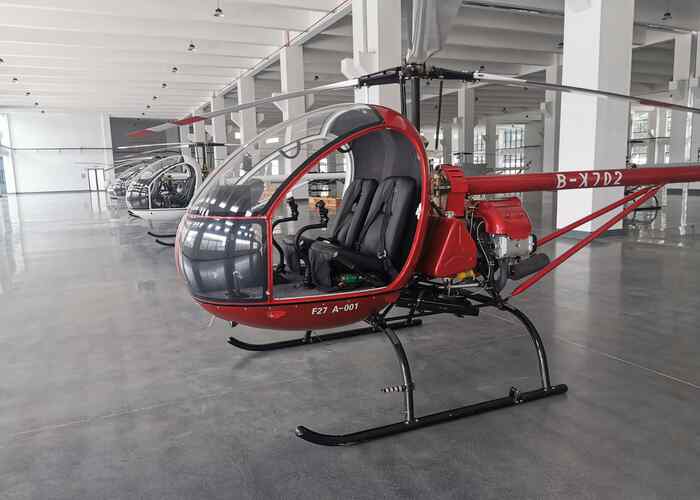
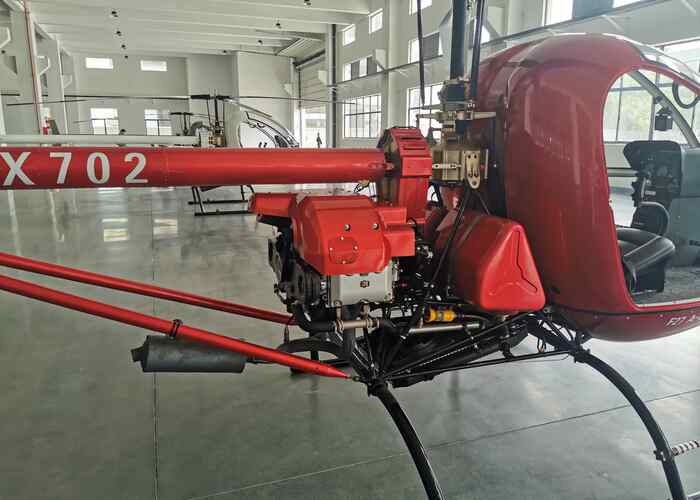
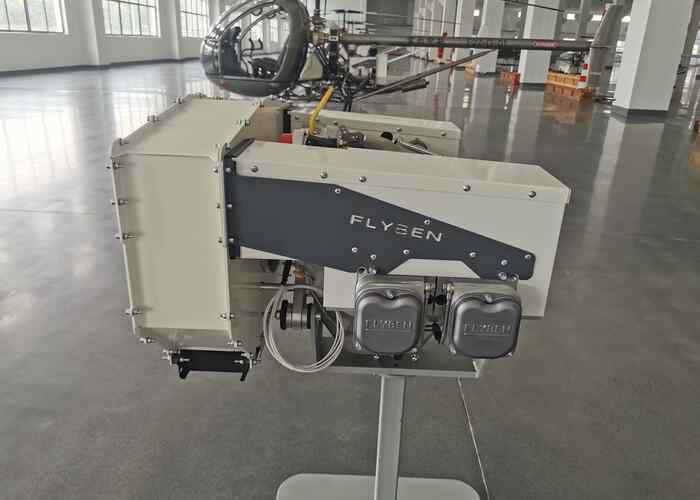
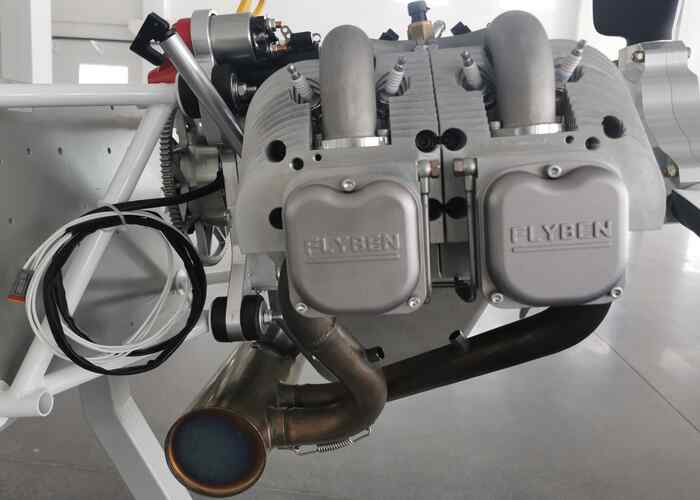
below is our company's independently developed Flyben four-cylinder aero-engine
Our helicopter, fitted with the Subaru EJ25 engine, has obtained the experimental airworthiness certificate issued by CAAC The EJ25 is an independent ignition engine. We plan to apply to CAAC for the light sport airworthiness certificate using the four-cylinder turbocharged Flyben engine. The Flyben engine features dual ignition and is suitable for aviation use. However, this process takes time. We will inform you once we succeed.
Unveiling the Sentinel “F27”: A Deep Dive into Its Performance and the Role of Subaru's Four - Cylinder EJ25 Engine Parameters
In the world of aviation, every aircraft's performance is a symphony of carefully calibrated components. The Sentinel “F27” is no exception, and at the heart of its power and efficiency lies a crucial element: the Subaru four - cylinder EJ25 engine. This article takes a comprehensive look at the performance parameters of the Sentinel “F27” and explores how the parameter of Subaru's four - cylinder EJ25 engine contributes to its overall capabilities.
I. Overview of the Sentinel “F27”
The Sentinel “F27” is a remarkable aircraft with a set of performance parameters that define its operational scope. It has a maximum takeoff weight of 650kg, which includes considerations for fuel, coolant, and backup fuel, with an empty weight of 420kg. This weight distribution is vital for its flight characteristics, influencing everything from takeoff requirements to maneuverability in the air.
When it comes to flight altitude, the “F27” can reach a maximum of 3000m, allowing it to operate in a variety of atmospheric conditions. Its maximum range stands at 550km, and it can endure flights for up to 3 hours, making it suitable for tasks that require medium - duration aerial operations. In terms of speed, the highest airspeed is 186km/h, while the maximum cruise speed is 156km/h. These speeds, combined with a maximum climb rate of 7m/s, give the aircraft the ability to quickly reach desired altitudes and maintain efficient flight paths.
Hover capabilities are also an important aspect of the “F27”. It has an effective hover height of 1500m (with ground effect) and 1000m (without ground effect). Additionally, during autorotation, the helicopter's descent rate is not less than 8.6m/s, a critical factor for safety in emergency situations.
II. The Main Rotor and Airframe of the “F27”
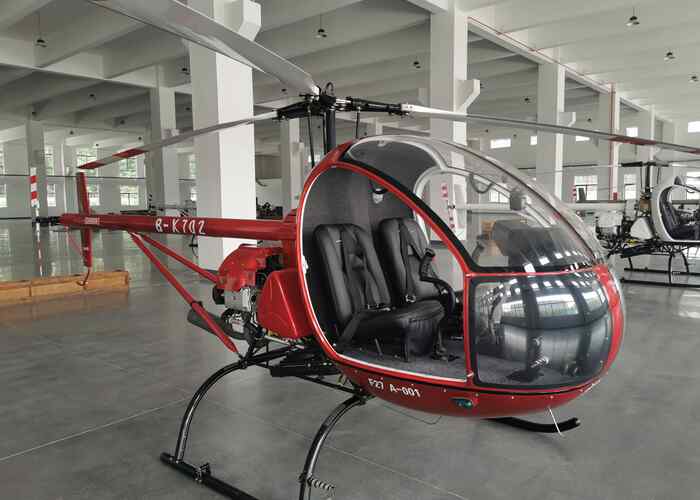
The main rotor of the “F27” plays a significant role in its flight performance. With a diameter of 6.85m and 3 blades, it is designed to provide the necessary lift and control. The rotor uses a bearingless torsion - bar system and composite material (9.5NACA63015), which contributes to its strength and efficiency. The tip speed of 205m/s and a blade chord length of 0.17m, along with a rotor structure based on NACA63015 and a rectangular multi - cavity D - beam, all work together to ensure stable and effective rotor operation.
The airframe of the “F27” is also carefully engineered. The cabin width is 1.52m, the skid width is 1.73m, and the total length (from the frontmost tip of the rotor to the rearmost end of the fuselage) is 8.1m, with a height of 1.95m. The horizontal stabilizer area is 0.15㎡, all of which contribute to the aircraft's aerodynamic design and stability in flight.
III. The Heart of the Matter: Subaru's Four - Cylinder EJ25 Engine
A. Engine Basics and the Parameter of Subaru's Four - Cylinder EJ25 Engine
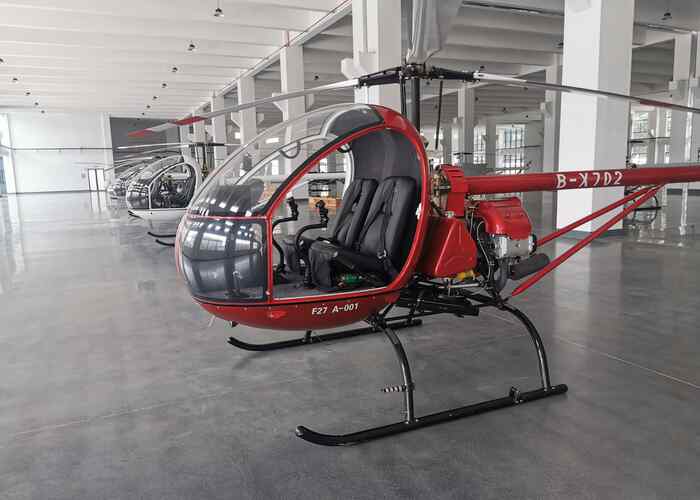
At the core of the “F27” is the Subaru four - cylinder EJ25 engine. This engine is a piston - type, fuel - injected powerplant with a displacement of 2457cc. The parameter of Subaru's four - cylinder EJ25 engine is integral to the aircraft's performance. It is a horizontally opposed, four - cylinder, 16 - valve engine that generates 115kw (156hp) of power.
The horizontally opposed design of the engine offers several advantages. It helps in balancing the engine's weight distribution, which in turn contributes to the overall balance of the aircraft. This design also allows for a more compact engine layout, which is beneficial for fitting the engine into the limited space of the “F27” airframe.
B. How Engine Parameters Influence Aircraft Performance
The displacement of 2457cc is a key parameter of Subaru's four - cylinder EJ25 engine. It determines the engine's ability to draw in and combust fuel, which directly impacts power output. A larger displacement generally allows for more power, and in the case of the “F27”, this 2457cc displacement, combined with fuel injection technology, ensures efficient fuel utilization and consistent power delivery.
The 16 - valve design of the engine is another important parameter. It allows for better air intake and exhaust flow, which enhances the engine's breathing capabilities. This, in turn, improves combustion efficiency, leading to more power and better fuel economy. For the “F27”, this means that the engine can provide the necessary power for takeoff, climb, and cruise while also managing fuel consumption to achieve the aircraft's maximum range and endurance.
The power output of 115kw (156hp) is a direct result of these engine parameters working in harmony. This power is what drives the main rotor and allows the “F27” to achieve its impressive flight characteristics. Whether it's climbing at 7m/s, cruising at 156km/h, or hovering at high altitudes, the parameter of Subaru's four - cylinder EJ25 engine provides the necessary force.
C. Reliability and Adaptability Based on Engine Parameters
The Subaru four - cylinder EJ25 engine is known for its reliability, and this is also related to its parameters. The fuel injection system ensures precise fuel delivery, which helps in preventing engine knock and misfires. The engine's design, including its horizontally opposed cylinders and 16 - valve setup, also contributes to its durability.
In the context of the “F27”, which may operate in various environmental conditions, the reliability of the engine is crucial. The parameter of Subaru's four - cylinder EJ25 engine, such as its ability to use 95# gasoline, provides a degree of fuel flexibility. This allows the aircraft to be operated in different locations where fuel availability may vary, as long as 95# gasoline is accessible.
IV. The Synergy of Components
The performance of the Sentinel “F27” is not just about the individual components but their synergy. The main rotor, airframe, and the Subaru four - cylinder EJ25 engine all work together. The engine's parameters determine the power available to turn the rotor, and the rotor's design translates that power into lift and thrust. The airframe's design, in turn, ensures that the forces generated by the rotor and engine are managed to provide stable flight.
For example, the power from the Subaru four - cylinder EJ25 engine (a result of its parameters) drives the main rotor, which then creates the lift needed for the “F27” to take off, hover, and climb. The airframe's dimensions and design help in minimizing drag and maximizing the efficiency of this power transfer.
V. Conclusion
The Sentinel “F27” is a complex and capable aircraft, and its performance is a testament to the careful engineering of its components. The parameter of Subaru's four - cylinder EJ25 engine is a critical factor in its operation. From providing the necessary power for flight to ensuring reliability and fuel efficiency, the engine's parameters shape the aircraft's capabilities. As we've explored, the synergy between the engine, rotor, and airframe allows the “F27” to achieve its impressive performance parameters, making it a valuable asset in various aviation applications. Whether it's for surveillance, short - range transport, or other tasks, the “F27” demonstrates how a well - designed aircraft, with a focus on key components like the Subaru four - cylinder EJ25 engine, can excel in its operational role.