Previous
Next
SA60L vs ICON A5 8 Key Differences to Check Before Choosing an LSA 6 Core Advantages of Aurora SA60L
- The SA60L, marketed internationally as the Aurora SA60L, is a single-engine, two-seat, low-wing fixed-landing-gear light sport aircraft designed and manufactured by Starair Aircraft Co., Ltd. at our production facility in Zhuzhou, Hunan, China. The airframe uses an all-carbon-fiber composite one-piece molding process, which keeps empty weight low while preserving a strong load-bearing structure. From our factory floor, the SA60L is positioned as a work-capable LSA. It carries dual flight controls for instruction, supports optional payload mounts for camera and sensor work, and is approved for the basic aerobatic maneuvers commonly used in sport and advanced training. The standard engine is the Zonsen CA500 piston engine; buyers can also specify the Rotax 912 ULS where local operators prefer the Rotax service network.
Description
SA60L vs ICON A5: 8 Key Differences Every LSA Buyer Should Compare in 2026
If you are shortlisting a two-seat light sport aircraft for a flight school, flying club, private fleet, tourism operation, or investment project, you have probably landed on two names: the SA60Lbuilt by Starair Aircraft Co., Ltd., and the ICON A5 from ICON Aircraft in the United States. On paper both are factory-built, two-seat, single-engine LSAs with carbon composite airframes. In practice they solve very different problems.
This deep comparison breaks the decision down across purchase cost, real flight performance, field and water requirements, maintenance complexity, parts supply, delivery lead time, operating scenarios, certification status, and long-term running cost. The goal is not to declare one airplane "better" in every case. It is to show which airplane fits your mission, your budget, and your support network after delivery.
Buyers who contact our factory usually ask four questions first: Can the airframe handle daily training or charter cycles? Where can it operate from? What does the first five years of maintenance really cost? How fast can we take delivery after deposit? We will address each one in the sections below, using data from our own SA60L production line, flight logs from export customers, and published specifications for the light sport aircraft ICON A5.
A comparison like this is harder than it looks. Brochure numbers rarely explain why one type works well for a school in Tanzania while another works for a private owner in Florida. Regulatory acceptance, local maintenance talent, spare-parts travel time, hangar or trailer storage, and the actual number of flight hours per week all change the answer. This review separates the airplane's engineering from its market support, so the decision rests on your mission rather than on either manufacturer's marketing language.
The reader groups this article is written for are flight school operators, flying clubs, private aircraft buyers, tourism and aerial-work investors, and dealers or partners sourcing an LSA line for a regional market. If you fall into one of these groups, the most useful sections will be the specification table, the cost breakdown, the use-case match, and the verdict checklist near the end.
Quick Overview of SA60L and ICON A5
What Is the SA60L
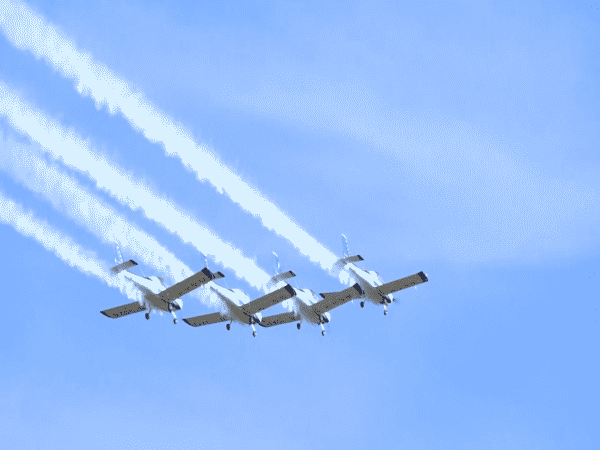
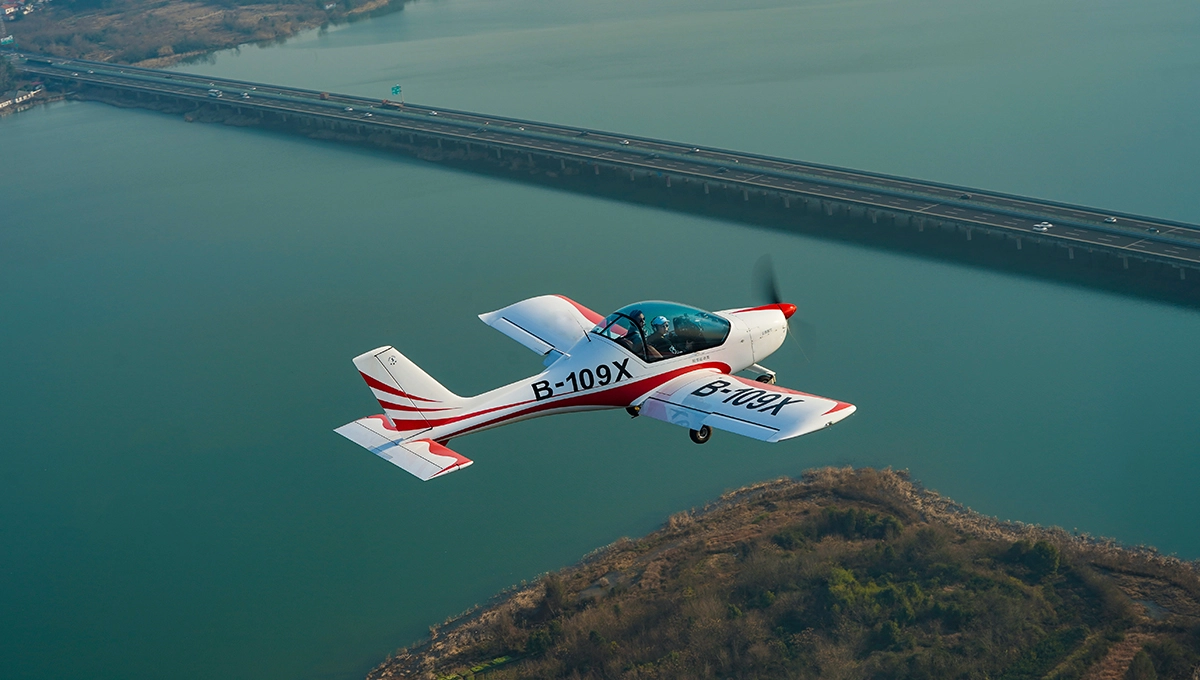
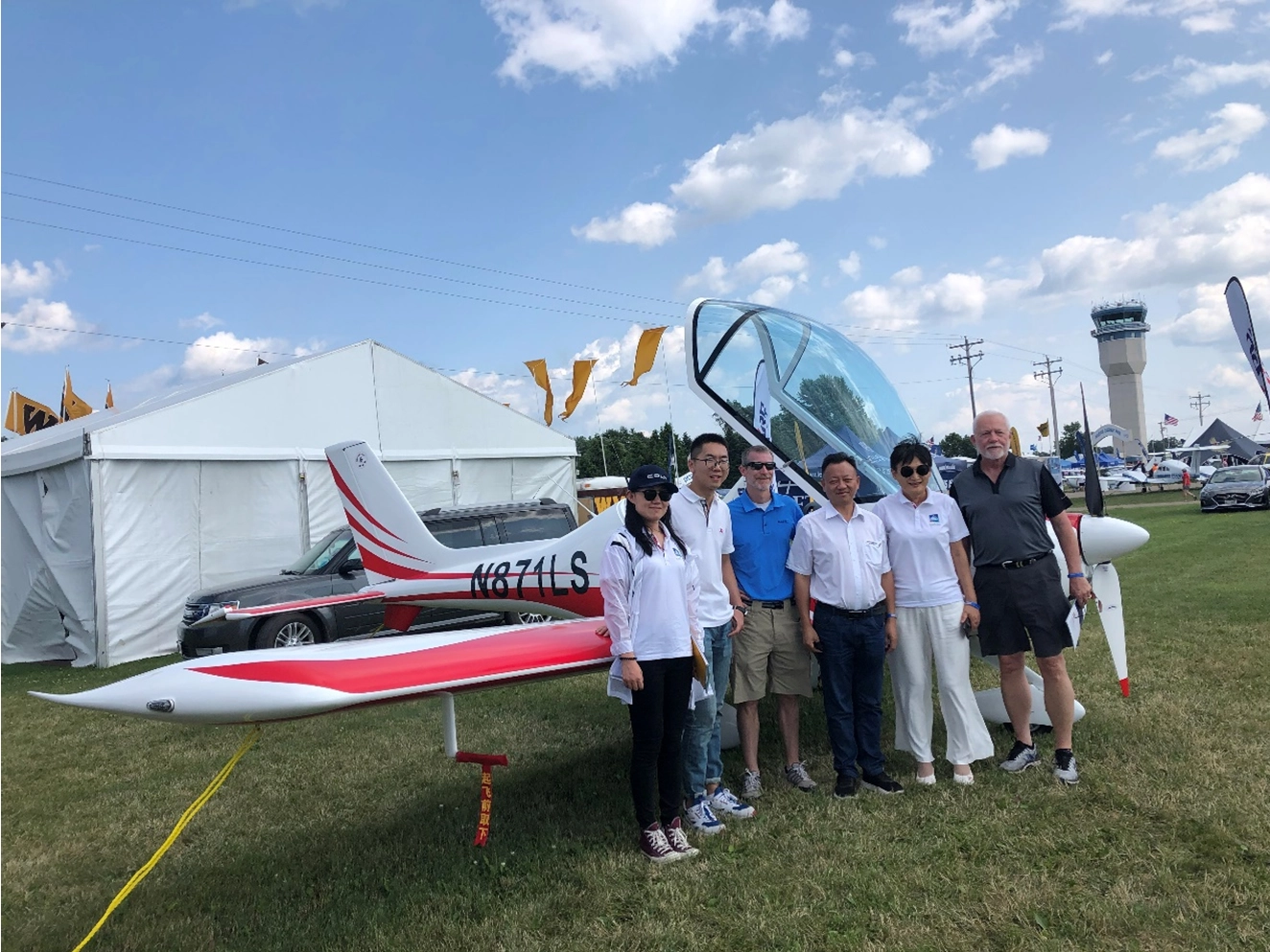
The SA60L, marketed internationally as the Aurora SA60L, is a single-engine, two-seat, low-wing fixed-landing-gear light sport aircraft designed and manufactured by Starair Aircraft Co., Ltd. at our production facility in Zhuzhou, Hunan, China. The airframe uses an all-carbon-fiber composite one-piece molding process, which keeps empty weight low while preserving a strong load-bearing structure.
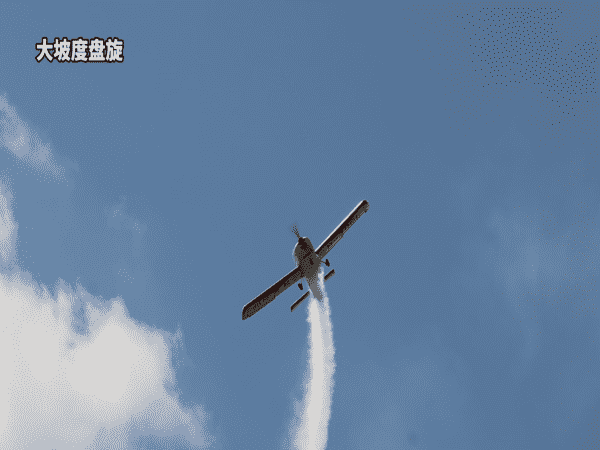
From our factory floor, the SA60L is positioned as a work-capable LSA. It carries dual flight controls for instruction, supports optional payload mounts for camera and sensor work, and is approved for the basic aerobatic maneuvers commonly used in sport and advanced training. The standard engine is the Zonsen CA500 piston engine; buyers can also specify the Rotax 912 ULS where local operators prefer the Rotax service network.
Certification gives the type a broad export footprint. The type holds CAAC type certificate, production certificate, and airworthiness approval in China, and it has also obtained FAA light-sport airworthiness recognition in the United States and CASA special airworthiness certification in Australia. The Australian certificate issued under CASA rules carries standard operating conditions: only manufacturer-approved modifications and repairs are incorporated, the aircraft follows the manufacturer's continuing airworthiness requirements, and maintenance is performed by regulated personnel. These conditions are typical for LSA exports and are something buyers should check in their own national registration process.
By 2026 more than 500 SA60L airframes have been sold and delivered to customers in the United States, Mexico, Italy, Australia, the United Arab Emirates, Vietnam, Laos, Indonesia, and other markets. That delivery base matters for two reasons. First, a large operating fleet produces real hourly reliability data that new types cannot yet match. Second, overseas operators have already worked through the paperwork, tooling, and spare-parts questions that a first-time importer usually faces, so lessons learned can be passed to the next buyer.
One point buyers should understand before comparing price: the SA60L is an affordable light sport aircraft built around fleet operations. The airframe, systems, and spare-parts planning are designed for repeated daily sorties, not for a single owner who flies a few weekends a year. That engineering priority shapes every section that follows.
Because Starair builds this aircraft in-house, the buyer deals directly with the source factory. Our team controls composite molding, assembly, avionics installation, final inspection, and export packing on the same site in Zhuzhou. There is no reseller layer between your configuration questions and the production schedule, which makes option changes, certification paperwork, and after-sales communication faster to resolve.
What Is the ICON A5
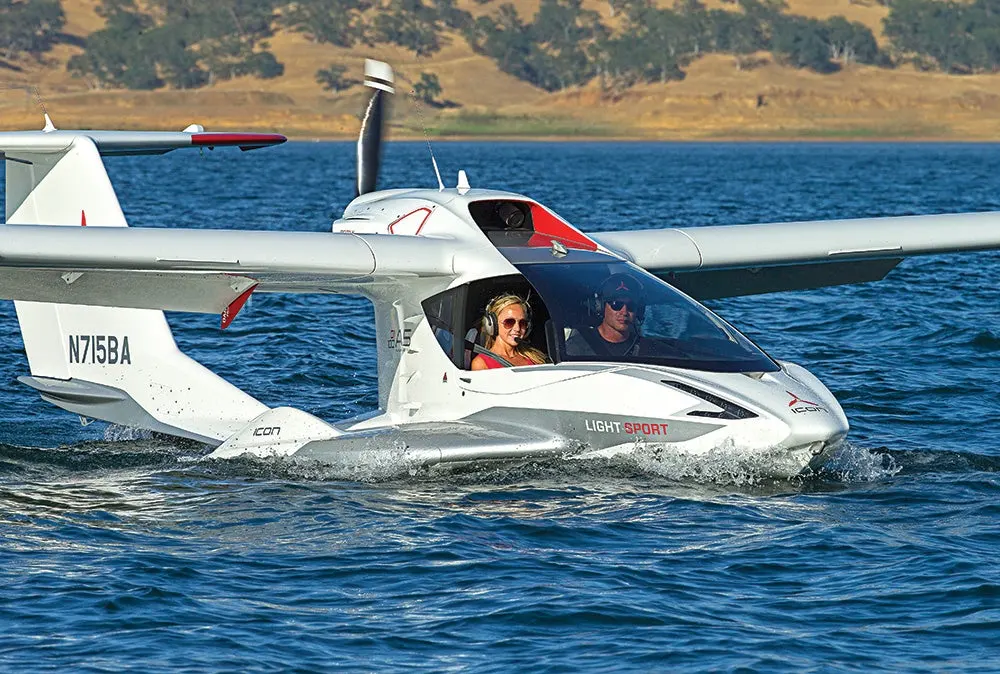
The light sport aircraft ICON A5 is a two-seat, single-engine, high-wing amphibious LSA produced by ICON Aircraft, based in Vacaville, California. Its defining design choice is the flying-boat hull: the A5 can operate from land runways and from calm water, and it uses a retractable tricycle landing gear plus a water rudder for surface maneuvering. The wings fold manually, which lets the aircraft be towed on a trailer and stored in a boathouse or hangar instead of staying tied to an airport.
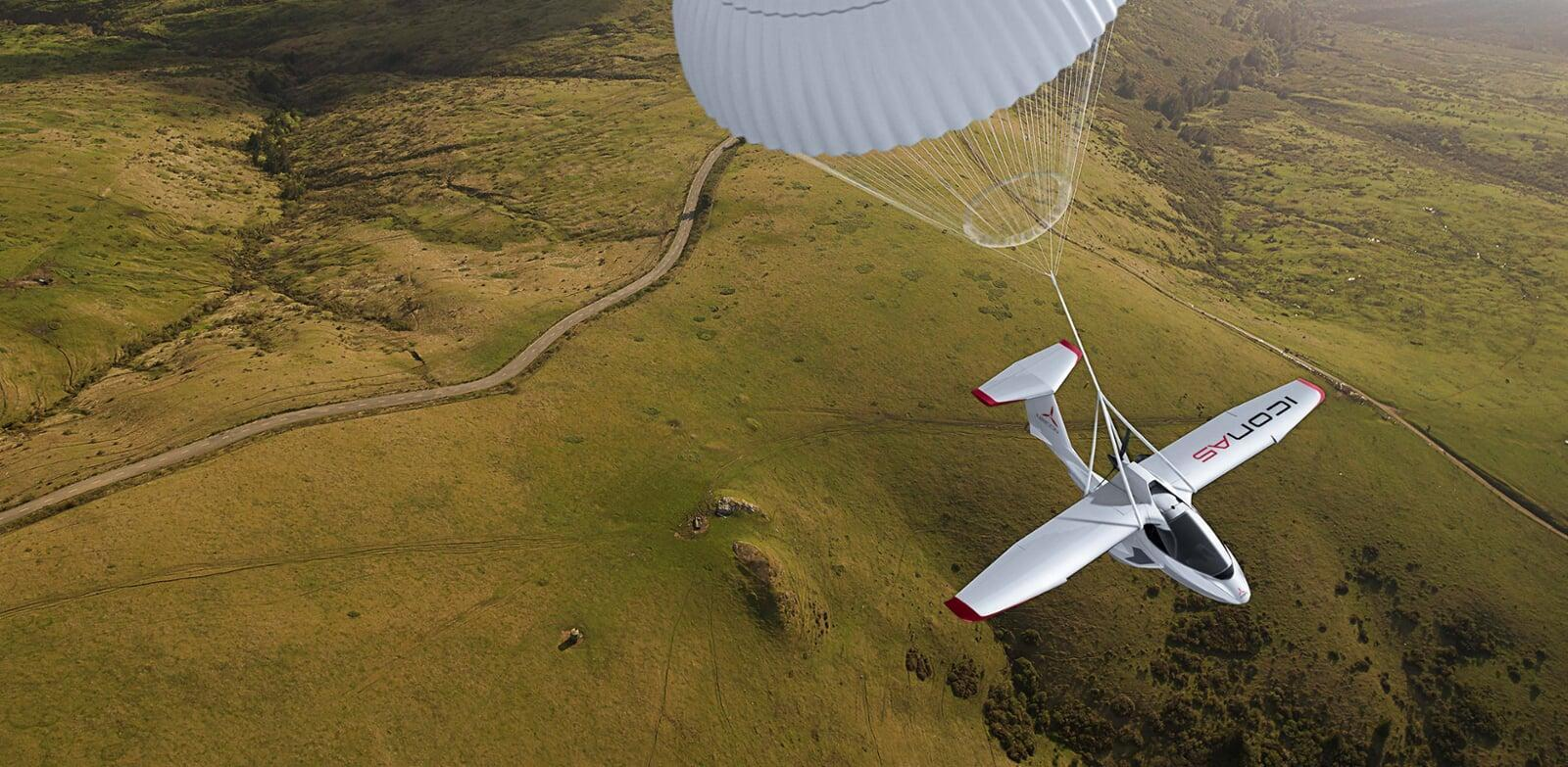
Under the cowling, the A5 uses the Rotax 912 iS Sport, a 100-horsepower electronically fuel-injected four-cylinder engine that accepts 91-octane automotive gasoline or 100LL avgas. The airframe carries ICON's spin-resistant airframe (SRA) concept, an angle-of-attack indicator, planing wingtips, and the ICON Parachute System (IPS) as part of its safety package. The design language leans toward recreational motoring: a wide bubble canopy, automotive-style interior layout, and the option to fly with side windows removed for open-air flying.
The A5 is certificated under the FAA light-sport rules for the North American market. Its support ecosystem, maintenance culture, and parts channels are concentrated around the United States, and its production volume has stayed limited compared with mass-market training LSAs. When buyers search for a light sport aircraft icon a5 comparison, they are usually weighing two propositions: an American-designed amphibious leisure platform against a factory-built landplane tuned for operation and training. The light sport aircraft icon a5 proposition rests on water access and lifestyle design, not on fleet economics.
If your mission centers on lakeside coastal leisure, trailerable storage, and recreational flying rather than high-cycle training or surveillance work, the A5's design assumptions will feel familiar. Its design brief is to make flying approachable and enjoyable for a private pilot, and the safety systems and cabin ergonomics are tuned to that brief rather than to commercial operator utilization.
Core Specification Comparison Table
The table below places the two aircraft side by side across the dimensions that matter most to a purchasing committee. Figures for the SA60L come from our published configuration and quotation sheets; figures for the A5 come from ICON's official specifications and published pilot operating handbook data.
Dimension | Edge | Best-fit context | ||
|---|---|---|---|---|
Aircraft type and configuration | Low-wing landplane, fixed tricycle gear, fixed-pitch propeller, dual controls | High-wing amphibious flying boat, retractable tricycle gear, manually folding wings | A5 wins amphibious and trailerability; SA60L wins structural simplicity | Choose SA60L for land-based fleets; choose A5 when water access is the core reason to buy |
Max takeoff weight | 600 kg (1,323 lb) | 686.4 kg (1,510 lb) | A5 carries higher gross weight, partly to absorb the hull and gear mechanism | Compare useful load and baggage allowance directly for your payload mission |
Maximum range | Approximately 1,200 km on 120 L fuel capacity | 427 nautical miles, about 791 km, with 45-minute reserve | SA60L offers longer cross-country range and more reserve margin | Operators covering longer routes, patrol legs, or training circuits favor the SA60L |
Cruise speed | 220 km/h cruise | Approximately 156 km/h cruise at 8,000 ft; 176 km/h maximum level speed | SA60L is clearly faster in cruise | Schools and operators paid by flight hours per route prefer the faster airframe |
Takeoff and landing field requirement | 180 m takeoff roll, 170 m landing roll on land; tolerant of grass and unimproved strips | About 195 m takeoff and 180 m landing on runway; about 256 m takeoff and 213 m landing on water | SA60L needs shorter dry-land rolls; A5 needs calm water surface | Match the roll figures to your actual strip or lake surface, not brochure maximums |
Amphibious capability | Land-only; no hull, no water operation | Full amphibious: land runway, grass strip, and calm inland water or protected coastal water | A5 is the only one of the two that can float | Do not buy an A5 expecting landplane utility, and do not expect an SA60L to operate from water |
Purchase price range | Standard configuration listed at RMB 1,080,000, with option packages and factory direct export pricing | Roughly USD 269,000 base to USD 390,000 fully equipped, depending on model year and options | SA60L sits in a lower acquisition bracket for fleet buyers | Total cost of ownership, not sticker price, should drive the school or club decision |
Maintenance cost and delivery lead time | Fixed gear and mechanical controls simplify maintenance; parts stocked at the Zhuzhou factory; batch school orders scheduled against production slots | Retractable gear, hull seals, water rudder, folding-wing mechanism, and parachute system add inspection items; service network concentrated in North America | SA60L has the simpler maintenance chain; A5 carries more specialist inspection points | Confirm local maintenance capability and spare-parts lead time in your country before placing an order |
Performance and Flight Experience Comparison
Takeoff and Landing Performance
On dry land, the type posts an 180 m takeoff roll and a 170 m landing roll under standard day, sea-level conditions. Those numbers come from our production specification sheet and are consistent with what customer flight schools report on grass and packed-earth strips. The fixed-gear low-wing layout gives predictable ground handling, and the forgiving stall behavior helps student pilots recover without aggressive control inputs.
The A5's runway numbers are comparable for a paved strip: around 640 ft (195 m) takeoff and 590 ft (180 m) landing at sea level. On water those rolls grow to roughly 840 ft (256 m) for takeoff and 700 ft (213 m) for landing, and water operation adds conditions the landplane does not face: surface chop, wind on the water, boat traffic, and beaching access. The hull also requires freshwater rinse and corrosion checks after saltwater or brackish use.
For a flight school operating from one paved or grass field, the landplane's simpler fixed-gear behavior reduces the number of systems a student must manage during short-field practice. For a private owner flying off a private lake, the A5's water capability is the performance feature that justifies its design.
Range and Fuel Efficiency
The SA60L carries two 60 L tanks, 120 L total, and burns about 12 L per hour in cruise. With that capacity the published maximum range is about 1,200 km, which supports longer cross-country training legs, survey sorties between remote strips, and ferry flights between operational bases without repeated fuel stops. The engine runs on 95-octane automotive gasoline, which keeps fuel procurement simple in markets where avgas supply is uneven.
The A5 carries a 20-US-gallon (about 76 L) fuselage tank and cruises at a lower fuel flow, around 3.8 gallons per hour at economy cruise. Its published range is 427 nautical miles, about 791 km, including a 45-minute reserve. That is enough for weekend leisure hops around an island chain, lake district, or coastal archipelago, but it gives less margin for diversion and route extension than the SA60L's longer ferry range.
Where fuel price matters to the operating budget, the two aircraft behave differently. The A5's smaller tank and lower cruise speed keep short leisure flights light on fuel, but each nautical mile of long cross-country travel costs more in time. The SA60L's larger tanks and faster cruise make it the more efficient choice when the mission repeatedly covers distance.
Handling and Pilot Learning Curve
The SA60L uses conventional push-pull mechanical flight controls with a responsive but tolerant feel. Instructors who fly our export aircraft repeatedly describe it as an easy first low-wing: stable in cruise, predictable in turns, and gentle at the stall. Dual controls are standard, and the airframe supports steep turns, loops, rolls, and spins for advanced training where those maneuvers are approved in the local regulations.
The A5's handling philosophy is centered on error tolerance for recreational pilots. The SRA airframe resists entering a fully developed spin, the angle-of-attack indicator shows energy margin before the wing approaches stall, and the IPS ballistic parachute provides an emergency recovery option the landplane does not carry as standard. Predictable handling and low stall speed are part of the package designed around a pilot who may train part-time.
The learning curve comparison depends on the pilot's goal. A student training for a full private or sport pilot certificate, then going on to instruct or operate commercially, benefits from a conventional mechanical airframe like this one that teaches real control feel. A recreational owner who flies for leisure on weekends benefits from the A5's protective safety systems and simple single-lever engine operation.
On low-speed behavior, the SA60L stalls at around 73 km/h with a gentle nose-down break and straightforward recovery, which suits students practicing slow flight and short-field landings. The airframe also demonstrates the predictable spin entries and recoveries needed for advanced training where spins are part of the approved syllabus. The A5 takes the opposite engineering route: instead of teaching spin entry and recovery through conventional handling, its SRA airframe resists spin departure altogether, and the AoA indicator gives the pilot early warning before the wing reaches that boundary.
Crosswind and field tolerance also separate the two types. The landplane's fixed gear and main-wheel placement give stable tracking on grass, dirt, and compact-earth strips common at regional training fields and remote work sites. The A5 is happier on prepared surfaces and sheltered water; open water with chop, or an unimproved rough strip, pushes the aircraft outside the conditions its hull and gear were optimized for.
In short, the light sport aircraft icon a5 rewards a pilot who values protective, forgiving leisure handling. The type rewards a pilot and instructor who want direct feedback and a conventional airframe that generalizes across different flying environments.
Cost Breakdown: Purchase and Ongoing Expenses
Upfront Purchase Price
This is the section where buyers most often push back on a brochure comparison. The listed SA60L standard configuration sells at RMB 1,080,000, before selected options such as the Rotax 912 ULS engine, custom paint, dual throttle control, smoke system, external generator, and training packages. As a factory-direct producer, Starair sells the SA60L without a trading-company markup between the buyer and the production line. Quote revisions, configuration changes, and export documentation are handled by our own sales and after-sales team. This direct factory route is why the type is repeatedly shortlisted when a buyer looks for an affordable light sport aircraft that balances acquisition price with long-term operating reliability.
The affordable light sport aircraft positioning of the SA60L is strongest in fleet purchases. A flight school or club buying two, four, or six airframes gets a repeatable spare-parts list, a common type rating across the fleet, and production slots scheduled against the school's enrollment plan. That matters because a training fleet loses revenue when aircraft are grounded waiting for a part or a configuration decision.
The ICON A5 sits in a noticeably higher acquisition bracket. Public pricing history and current dealer sheets place the base A5 around USD 269,000, with fully equipped examples reaching roughly USD 390,000 after avionics, parachute, and comfort options. That price reflects the amphibious hull, folding-wing mechanism, integrated safety suite, and the American manufacturing and certification model. For a private leisure buyer who wants those features, the sticker price is a known part of the deal; for a commercial fleet that needs many airframes at a controlled price, it changes the payback calculation.
A practical tip from our own quotation process: request the deal both ways. Compare an SA60L configured to your mission against an A5 configured to yours, then add delivery, insurance, initial spare parts, and training to each total. The gap between a bare sticker price and a ready-to-operate aircraft is usually larger than buyers expect.
Annual Maintenance and Parts Cost
Maintenance cost is where the cheap-upfront / cheap-running picture often turns over. The type keeps the maintenance chain simple because the landing gear is fixed, the propeller is fixed-pitch or ground-adjustable, and the flight controls are mechanical push-pull and torque-tube systems. There are no retraction actuators, hull seal drains, folding-wing hinge locks, or water rudder lines to inspect between hours. That reduces both the shop labor per annual inspection and the list of wear items a school must keep on shelf.
Spare parts for the SA60L are planned around our Zhuzhou production line. Common consumables and wear components are stocked against serial-number families, and export deliveries already include a tool kit, fuselage cover, propeller protector, pitot-tube cover, wheel chocks, filter funnel, dipstick, and the consumables listed in the factory complimentary package. Overseas maintenance partners can order identified parts by serial number, and we can pack a recommended first-spares kit with the aircraft before shipment.
The A5's annual inspection has a different workload. Beyond a normal LSA check, technicians inspect the amphibious hull for leaks and corrosion, verify the retractable gear actuator and doors, check the folding-wing hinge and automatic control connections, service the water rudder, and inspect the IPS parachute pack according to its scheduled replacement cycle. Specialized ICON-trained maintainers are concentrated in the North American network; outside that region, parts turnaround and trained labor can become the largest hidden cost of ownership.
For an affordable light sport aircraft operated as a fleet asset, annual cost should be estimated as shop hours plus expected wear parts plus travel for a specialist if local maintenance is not available. We encourage every prospective SA60L buyer to ask the same three questions of any competitor: what wear items are replaced every 100 hours, what parts require the original manufacturer's authorization, and what is the worst-case lead time for an airframe-specific component.
Delivery lead time is the cost item buyers underestimate most often. For this type, a single demonstrator or one-off private order follows the standard production queue, while a school or club batch order is scheduled against reserved production slots so that several airframes arrive together for a synchronized training start. Each export delivery includes the factory complimentary package: transfer frame and foam, unloading track, tool kit, fuselage cover, external power cord, tie-down straps, static-pressure warning tape, flap and aileron lock clips, propeller protector, pitot-tube cover, mat, fuel filter funnel, dipstick, and consumables.
From our internal order history, the most common overseas delay is not manufacturing. It is the buyer's local registration, airworthiness acceptance, and maintenance-person qualification. We help new SA60L owners prepare the export documentation, flight manual, maintenance manual, engine logs, and airframe logs before shipment, but national registration rules differ by country. Ordering the aircraft early enough to clear those steps before the planned training season avoids an idle airframe sitting in storage.
A practical cost trap to avoid: comparing a bare landplane price against a fully equipped amphibian price, then concluding the cheaper type is the better deal. The fair comparison adds the same avionics, parachute where required, spare kit, training, and shipping to both sides. Once those items are included, the SA60L typically leaves the buyer with a lower total outlay per airframe, especially when two or more aircraft are purchased together.
Use Case Suitability: Which One Fits You Better
Best Scenarios for SA60L
The SA60L performs best when the organization needs dependable land-based airframes that can cycle through repeated sorties. Flight schools in China, Southeast Asia, Africa, and Latin America buy it because dual controls, stable handling, and a simple maintenance chain match the instruction mission. The type's long range and 220 km/h cruise also suit aerial photography, light survey, patrol and border monitoring, agricultural support, and tourism circuits that operate from established strips rather than lakes.
Flying clubs and syndicates are another strong fit. A club that shares one affordable light sport aircraft among members usually wants predictable maintenance costs, easy parts replacement, and a type that new members can transition into quickly. The SA60L's fixed-gear layout and conventional instruments make it approachable, while the optional Rotax engine keeps parts familiar for operators already working with the Rotax network.
Export project buyers and investors should look at the SA60L when the plan includes a batch order. Batch production lets us align delivery slots with your training curriculum or tourism schedule, standardize avionics across the fleet, and negotiate a spares package that covers the first operating season. Our factory accepts pre-arranged plant visits and video factory tours; you can inspect the composite layup, assembly line, and finished aircraft before deposit, because we sell directly as the source manufacturer, not through a middleman trader.
Regional fit follows the same logic. In African markets where avgas supply is uneven and strips are often grass or dirt, the SA60L's tolerance for automotive gasoline and simple fixed-gear maintenance reduces operational risk. In Oceania, where RAAus-style recreational associations register and administer light sport types, the SA60L's CASA-certified background gives a clear compliance path for registration and instructor use. In Southeast Asia and Latin America, tourism circuits, short survey legs, and school fleets benefit from the longer range and lower parts dependency.
As an affordable light sport aircraft for syndicate and club ownership, the SA60L spreads acquisition and maintenance across multiple members, while the straightforward systems keep recurring hangar and labor bills predictable. That shared-ownership model is where the type's cost advantage compounds over several operating seasons.
Best Scenarios for ICON A5
The A5 earns its place when the core buying reason is water access. Private owners with a lake property, coastal marina, or island vacation route value the ability to operate from calm water without a runway. Boating-style storage, trailer towing, and foldable wings solve the hangar problem that many private LSA owners face in North America.
Recreational sport flying, airshow demos, lifestyle content, and weekend adventure flights are natural A5 missions. The bubble canopy, open-side option, spin-resistant design, and parachute system are built around leisure pilots who want a high-confidence aircraft for short, scenic trips rather than high-cycle commercial operations. Families, vacation rental operators in island destinations, and personal owners who already have waterfront access are the buyers most likely to use every feature the A5 provides.
The A5 carries a fleet-level premium that budget-focused buyers should weigh carefully, but buyers who prioritize amphibious leisure accept that cost as the price of water access and trailerable storage.
Where the A5 is a weaker fit: a school that logs thousands of training hours per year, a surveillance or mapping operation that needs long endurance and payload volume, or an operator in a region without ICON-trained mechanics and fast parts supply. In those cases the aircraft's strengths become secondary to support and utilization constraints.
Limitations and Drawbacks of Each Aircraft
An honest comparison has to state the weaknesses of each type instead of leaning only on the brochure strengths.
The SA60L is a land-only airplane. It has no boat hull, no water rudder, and no amphibious certification. If your business plan depends on lake, river, or coastal water operations, the SA60L cannot meet that requirement, and no aftermarket modification should be assumed to close that gap without formal engineering and approval.
The SA60L wings do not fold. The aircraft must be taxied into a hangar or tied down at an airport; it cannot be trailed on a road trailer and stored at a private home the way a folding-wing LSA can. For a private owner without permanent airport access, that storage constraint matters. The airframe also does not carry a standard ballistic parachute as part of the base configuration, and its instrument panel is aimed at practical operation rather than the lifestyle cockpit styling of recreational LSAs.
The A5's first limitation is mission range and speed. Its cruise and ferry range are below the SA60L's, so long cross-country training legs and extended survey routes require more planning and more fuel stops. Useful load is modest once the two occupants, baggage, and fuel are accounted for, and the 27 kg baggage allowance leaves little room for sensor gear or large equipment.
The A5 also carries the support risk of a low-volume American type. Outside the North American service network, finding a maintainer trained on the hull, retractable gear, folding mechanism, and IPS system can be difficult. Replacement parts may require the original manufacturer channel, and water operation adds seal, corrosion, and beaching maintenance that a dry-land fleet never touches. Purchase price and insurance are correspondingly higher, which raises the payback bar for any commercial use.
Final Verdict: SA60L or ICON A5?
Choose SA60L If
Choose the SA60L if your primary mission is flight training, club flying, light aerial work, patrol, survey, or land-based tourism, and you need an affordable light sport aircraft that can run through daily sorties at a controlled acquisition and maintenance cost. Choose it if you are comparing fleet quantities, need certified export documentation, value direct factory communication, and want a production line that can schedule batch delivery, spares, and after-sales support around your operating plan.
Choose the SA60L if your operating bases are dry strips, grass fields, paved airports, or unimproved land sites, and your local maintenance capability favors conventional fixed-gear mechanical systems. Choose it if longer range, faster cruise, and simpler spare-parts planning are more important to you than amphibious water access and trailerable home storage.
Choose ICON A5 If
Choose the ICON A5 if your mission is private recreational flying from water or coastal locations, and waterfront access, folding wings, trailer storage, and the integrated spin-resistant plus parachute safety package are the reasons you are buying. Choose it if you are based in or near the North American support network, where trained maintainers and original parts are reachable, and if your budget can absorb the higher acquisition and specialist maintenance cost.
Choose the A5 if you want a lifestyle-oriented two-seat LSA for short scenic flights, island hopping, and weekend leisure, rather than a high-utilization training or surveillance airframe. It is the right tool for the water-based leisure job; it is not the right substitute for a commercial landplane fleet.
Contact Starair Aircraft for SA60L Pricing, Configuration, and Delivery Plan
If you are comparing the SA60L against the light sport aircraft icon a5 for a school, club, tourism project, or private purchase, our factory sales team can prepare a configuration-specific quotation, a spare-parts list, and a delivery schedule aligned to your order size. We operate as the direct source manufacturer in Zhuzhou, China, with no trading-company middleman between your inquiry and the production line.
You can book a plant visit in advance or request a live video factory tour to see the composite assembly, final inspection, and finished SA60L airframes before committing. We can also share reference contacts in your region where local operators already fly the type, and explain certification, export packing, and after-sales support for your target market. Send your mission requirements, field conditions, expected annual flight hours, and target delivery date, and we will return a proposal that matches the SA60L configuration to your operating plan.
Reference and Regulatory Sources
For readers who want to verify the LSA regulatory background and competitor specifications independently, the following authoritative external references cover the light-sport category, the ICON A5 type, and regional recreational aviation associations in Oceania and Africa:
The sa60l comparison sits within the broader light-sport aircraft category; the FAA, EASA, and national associations define the weight, stall-speed, two-seat, single-engine limits that both aircraft follow.
Light-sport aircraft definition and certification framework, Wikipedia overview of the LSA category.
ICON A5 type overview and specifications, Wikipedia reference for the amphibious competitor.
EASA Light Sport Aircraft FAQ, European regulatory background for LSA airworthiness rules.
Recreational Aviation Australia (RAAus), the CASA-approved recreational aviation association in Oceania that registers and administers LSA-type aircraft across Australian operations.
MISASA, Microlight and Light Sport Aircraft Association of South Africa, the recreational aviation association covering light sport and microlight operations in the African market.